Microsoft Locks Accounts of WireGuard and VeraCrypt Developers, Disrupting Software Updates
Microsoft has locked the online accounts of developers for the open-source VPN tool WireGuard and encryption software VeraCrypt, preventing them from distributing updates. This action affects user access to security patches for WireGuard and may cause boot-up issues for VeraCrypt users on Windows devices. The incidents mark the second high-profile case of such account restrictions without prior no
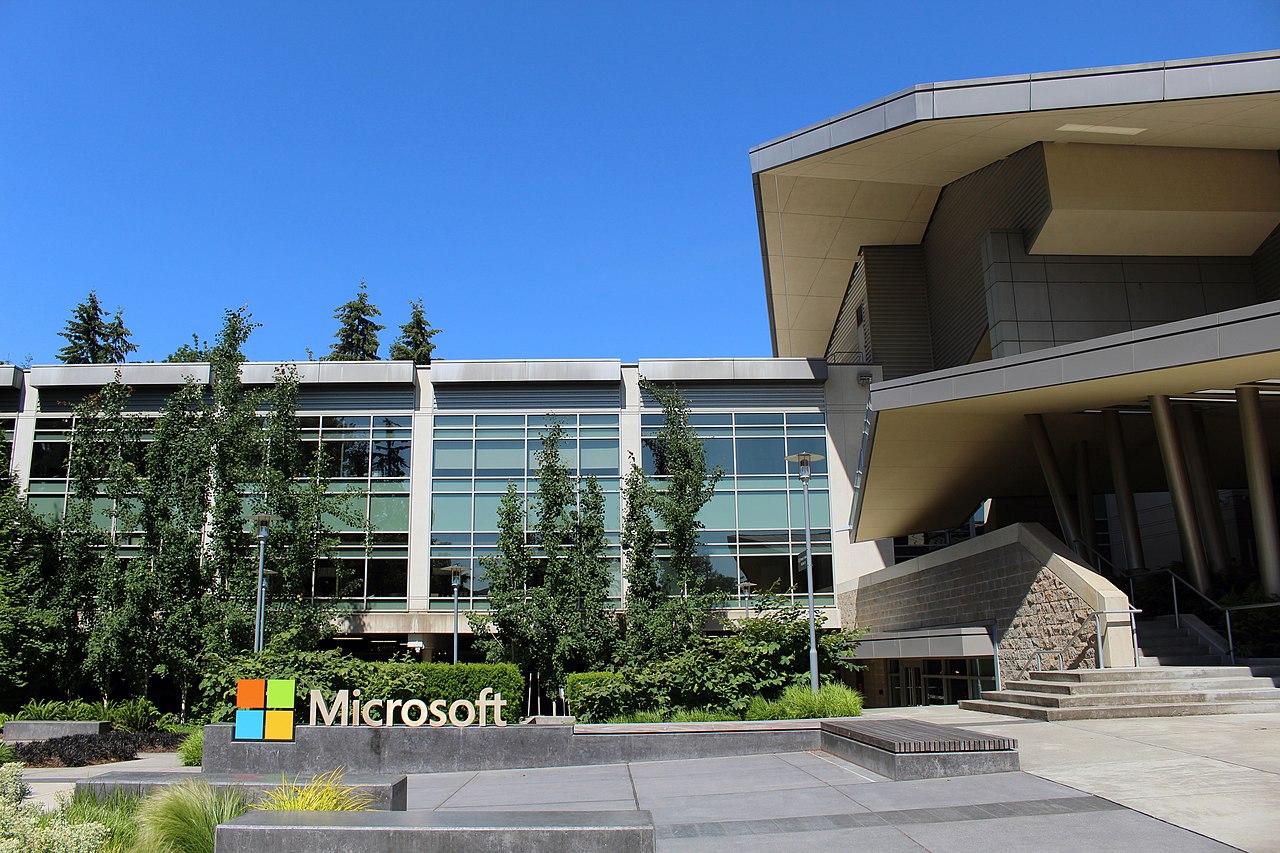 Coolcaesar / Wikimedia (CC BY-SA 4.0)
Account Locks Disrupt Open-Source Software Distribution Microsoft has locked the online accounts of two prominent open-source developers, halting their ability to release software updates.
Jason A. Donenfeld, creator of the WireGuard VPN protocol, reported that the lock prevents him from shipping updates to users. Separately, Mounir Idrassi, developer of VeraCrypt encryption software, stated that the account restriction could lead to boot-up failures on Windows devices relying on the tool.
The locks occurred without prior notification from Microsoft, according to both developers. WireGuard, known for its efficiency and security, serves millions of users worldwide through various implementations. VeraCrypt, a fork of TrueCrypt, provides disk encryption for sensitive data protection.
TechCrunch reported these events as the second instance of Microsoft locking a high-profile developer's account in recent times, though details of the first case were not specified.
Potential User Impacts and Developer Responses For WireGuard users, the account lock means no new software updates can be distributed, potentially leaving systems vulnerable to known security issues.
Donenfeld noted that this affects the core development repository hosted on platforms tied to his Microsoft account. VeraCrypt users on Windows may encounter boot-up problems if their systems depend on bootloader components from the locked account. Idrassi indicated that without access, he cannot release fixes or updates, which could exacerbate compatibility issues with future Windows versions.
Both developers have publicly raised concerns about the lack of communication from Microsoft. No official response from Microsoft regarding these specific incidents was available in the reports.
“The popular open source VPN maker is the second high-profile developer to say Microsoft locked his account without notifying him and is blocking their ability to send software updates to users.”
Broader Context in Open-Source Ecosystem These events highlight tensions between large tech platforms and independent developers who rely on their services for code hosting and distribution. Microsoft owns GitHub, a primary platform for open-source projects, which integrates with Microsoft accounts for authentication. The WireGuard project, initiated in 2016, has been integrated into the Linux kernel since 2020 and is used in commercial VPN services. VeraCrypt, released in 2015, supports multiple operating systems and is favored for its strong encryption standards. Developers have urged Microsoft to restore access promptly to mitigate risks to users. The incidents underscore the dependency of open-source maintainers on centralized account systems controlled by a single company.
Story Timeline
3 events- Recent days
Microsoft locks Jason A. Donenfeld's account, preventing WireGuard software updates.
1 sourceTechCrunch - Recent days
Microsoft locks Mounir Idrassi's account, risking VeraCrypt boot-up issues on Windows.
1 sourceTechCrunch - Prior incident
Microsoft locks account of another high-profile developer, blocking updates.
1 sourceTechCrunch
Potential Impact
- 01
WireGuard users remain exposed to unpatched security vulnerabilities.
- 02
VeraCrypt Windows users encounter boot failures without bootloader updates.
- 03
Open-source developers seek alternative hosting to avoid Microsoft dependencies.
- 04
Microsoft faces increased scrutiny over account management policies.
Transparency Panel
Related Stories
 Oberon Copeland @veryinformed.com (Unsplash)
Roblox Announces Age-Locked Account Tiers for Users Under 16 Launching in June
Roblox is introducing Kids accounts for ages 5-8 and Select accounts for ages 9-15, with automatic progression to standard accounts at age 16. The tiers, launching in June, limit access to age-appropriate games and restrict communication features. The platform, with 144 million d…
 Achmad Mulyana / Wikimedia (CC BY 3.0)
Rockstar Games Hit by Second Data Breach at Third-Party Provider
Rockstar Games confirmed a data breach at a third-party provider, marking the second hack for the company. The group ShinyHunters claimed responsibility and demanded a ransom by April. Rockstar stated the incident will have no impact on operations.
 Ckazemi / Wikimedia (CC BY-SA 4.0)
Microsoft Increases Prices on Surface Devices Due to Global RAM Shortage
Microsoft has raised prices across its Surface device lineup amid a global RAM shortage. The 13-inch Surface Pro 11 and 13.8-inch Surface Laptop 7 now start at $1,499, up $500 from their original $999 prices. Other models, including the 12-inch Surface Pro and various Surface Lap…