Startup Develops Brain Preservation Method After Death
A startup has developed a technique to preserve the human brain following death. The method aims to maintain brain structure for potential future revival. This development raises practical and philosophical questions about its implications.
 Internet Archive Book Images / Wikimedia (No restrictions)
A startup has announced a method to preserve the human brain after death. According to reports, this preservation could enable future technologies to restore brain function.
The startup's approach focuses on rapid intervention post-mortem to protect brain tissue from decay. The goal is to create a viable state for potential uploading or revival in advanced systems.
Implications for Society The development prompts discussions on practical challenges, including legal frameworks for post-death procedures.
Philosophical questions arise regarding the definition of death and personal identity.
Future Prospects While the technique represents progress, full revival remains a distant possibility dependent on advancements in neuroscience and computing.
Story Timeline
2 events- 2026-04-12
Startup announces brain preservation technique after death.
1 source@NewScientist - Recent development
Method developed to maintain brain structure for future revival.
1 source@NewScientist
Potential Impact
- 01
Legal frameworks may evolve to regulate post-death brain preservation procedures.
- 02
Access to preservation services could create disparities based on economic factors.
- 03
Increased research into neuroscience could accelerate due to preservation advancements.
- 04
Public discussions on ethics of immortality technologies may intensify.
Transparency Panel
Related Stories
 NASA Johnson Space Center / Wikimedia (Public domain)
NASA's Artemis II Completes First Manned Moon Mission Since 1972, Sets Distance Record
NASA's Artemis II mission completed a flight around the moon and splashed down in the Pacific Ocean on Saturday. The mission marks the first manned moon mission since 1972 and set a record for the furthest humans have travelled into space at 252,756 miles (406,771km). Meanwhile,…
 Science News
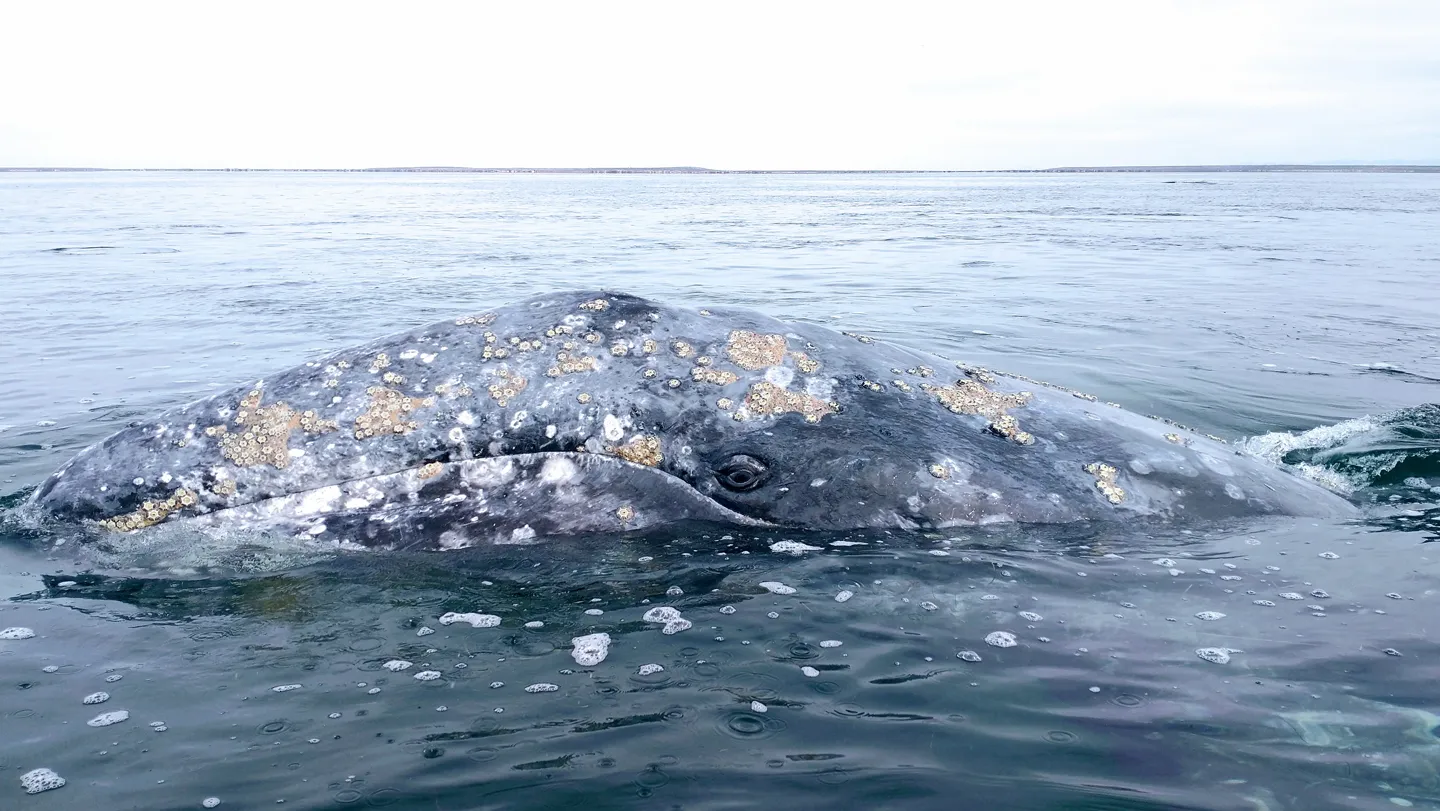
Nearly 1 in 5 Gray Whales Entering San Francisco Bay Die There, Study Finds
Researchers report that approximately 18 percent of photo-identified gray whales visiting San Francisco Bay from 2018 to 2025 died after entering the area. The deaths, often from vessel strikes, coincide with a population decline linked to reduced Arctic food availability. The fi…
 Stat
StatSpyre Therapeutics' SPY001 Drug Meets Primary Goal in Phase 2 Ulcerative Colitis Trial
Spyre Therapeutics announced positive results from the first batch of data in its Phase 2 SKYLINE study for SPY001, an experimental treatment for ulcerative colitis. The drug achieved a 9.2-point decrease in disease activity and induced remission in about 40% of participants afte…