Luxury Ice Production and Methods for Clear Ice at Home
The luxury ice market supplies high-end cocktail bars with clear ice from various sources, generating significant revenue. Companies harvest ice from glaciers or produce it in controlled environments, emphasizing purity. Methods exist to create similar clear ice at home without specialized equipment.
 Wired
WiredThe trade in luxury ice has grown for use in high-end cocktail bars. These bars use clear ice to enhance beverages, often highlighting its origins from springs, mountain streams, or glaciers. Wired reported on the production and sale of this ice.
Hundredweight Ice, based in New York City, harvested more than 3 million pounds of ice in 2025 and generated $3 million in revenue. The company sells to Michelin-starred restaurants. Other providers, such as Disco Cubes, sell nine cubes for $75, while spheres cost more due to production requirements.
Arctic Ice sources ice from Greenland glaciers and sells six cubes for $100. The company states that the ice has little to no taste and does not alter beverage flavors as it melts. Kuramoto Ice, manufactured in Kanazawa outside Tokyo, produces ice with nearly zero impurities.
Expert Views on Luxury Ice Mike Berners-Lee, founder of Small World Consulting, commented on the luxury ice industry.
He has researched carbon accounting and sustainable food systems since 2005. , which tracks carbon emissions from various activities.
Story Timeline
3 events- 2025
Hundredweight Ice generated $3 million in revenue from over 3 million pounds harvested.
1 sourceWired - 2024
Christoph Salzmann discovered a new form of ice resembling liquid water.
1 sourceWired - 2005
Mike Berners-Lee began researching climate change and carbon accounting.
1 sourceWired
Potential Impact
- 01
High-end bars may continue sourcing luxury ice for beverage differentiation.
- 02
Sustainability discussions may influence luxury ice production practices.
- 03
Home methods could reduce demand for commercial luxury ice products.
- 04
Lab ice research might lead to new applications beyond beverages.
Transparency Panel
Related Stories
 NASA Johnson Space Center / Wikimedia (Public domain)
NASA's Artemis II Completes First Manned Moon Mission Since 1972, Sets Distance Record
NASA's Artemis II mission completed a flight around the moon and splashed down in the Pacific Ocean on Saturday. The mission marks the first manned moon mission since 1972 and set a record for the furthest humans have travelled into space at 252,756 miles (406,771km). Meanwhile,…
 Science News
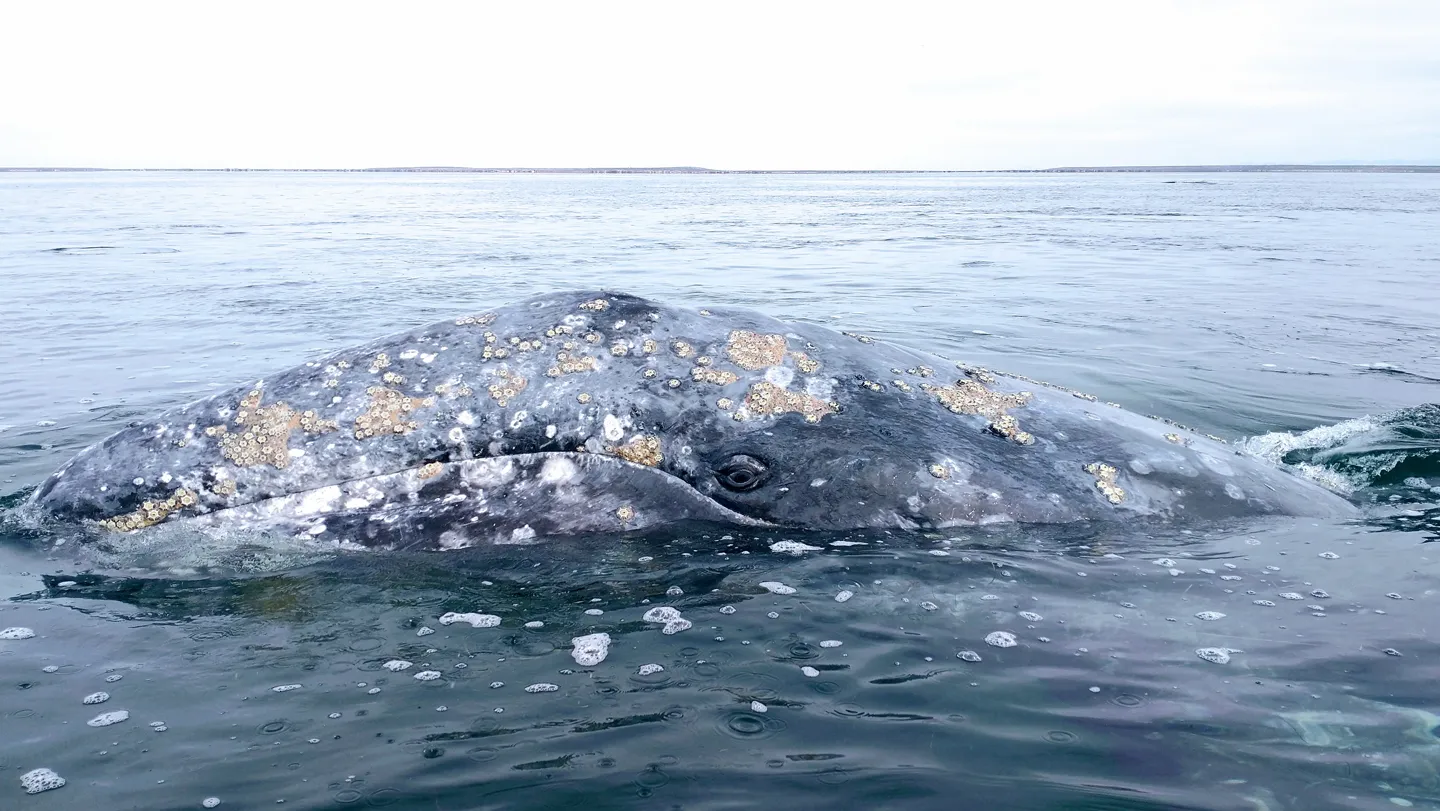
Nearly 1 in 5 Gray Whales Entering San Francisco Bay Die There, Study Finds
Researchers report that approximately 18 percent of photo-identified gray whales visiting San Francisco Bay from 2018 to 2025 died after entering the area. The deaths, often from vessel strikes, coincide with a population decline linked to reduced Arctic food availability. The fi…
 Stat
StatSpyre Therapeutics' SPY001 Drug Meets Primary Goal in Phase 2 Ulcerative Colitis Trial
Spyre Therapeutics announced positive results from the first batch of data in its Phase 2 SKYLINE study for SPY001, an experimental treatment for ulcerative colitis. The drug achieved a 9.2-point decrease in disease activity and induced remission in about 40% of participants afte…