Nature Moncton Holds Annual Nest Box Cleaning Event for Bird Habitat Support
Nature Moncton organized a nest box cleaning event over the weekend to maintain habitats for birds like tree swallows. The project, started eight years ago, addresses declines in bird populations due to habitat loss. Volunteers monitor and clean boxes across New Brunswick to support nesting.
 U.S. Army photo by Pierre Courtejoie / Wikimedia (Public domain)
Nature Moncton, a nature group in New Brunswick, hosted its annual nest box cleaning event on the weekend. Nest boxes are enclosed wooden structures designed to provide replacement habitats for natural tree cavities used by birds. The event involved volunteers monitoring and clearing these boxes to prepare them for the nesting season.
The nesting box project began eight years ago to support declining populations of insect-eating birds, including tree swallows. Fred Richards, past president and current board member of Nature Moncton, stated that the initiative aims to provide habitat in areas where birds are present.
According to the Canadian Breeding Bird Survey, tree swallow populations in New Brunswick have declined since the 1970s.
Nature Moncton monitors nest boxes in locations including Moncton, Sackville, and Memramcook. Richards reported that he has constructed over 600 nesting boxes for the group, now placed across the province. These boxes help address habitat loss, which contributes to the bird population decline.
Cleaning and Monitoring Process The cleaning process requires using a drill to open one side of the box.
Volunteers remove debris and inspect for signs of previous occupancy, such as white feathers indicating tree swallow use. Tree swallows require clean nests each year to avoid mites that feed on young birds. Richards explained that cleaning removes old nest material and adds substances to eliminate mites, improving survival chances for new broods.
Marbeth Wilson, vice-president of Nature Moncton, noted that urban development contributes to habitat loss for birds. She observed that some boxes along the Riverfront Trail in Moncton showed no nest debris, possibly due to noise from a nearby construction site.
Broader Context and Success Not all boxes are occupied annually, but the project has supported species including tree swallows, eastern bluebirds, and chickadees over the years.
Richards identified additional factors in the tree swallow decline, such as reduced insect food sources from pesticide use. He emphasized that while 600 boxes represent a small portion of the province's bird population, they provide targeted habitat support. The initiative highlights ongoing efforts to mitigate environmental pressures on local wildlife.
Future events will continue monitoring to track usage and adjust placements as needed. Nature groups like Moncton play a role in community-based conservation amid broader habitat challenges.
Story Timeline
3 events- Weekend of 2026-04-12
Nature Moncton volunteers cleaned and monitored nest boxes for birds.
1 sourceCbc - Eight years ago
Nesting box project started to combat decline in insect-eating birds.
1 sourceCbc - Since 1970s
Tree swallow populations in New Brunswick have declined per survey.
1 sourceCbc
Potential Impact
- 01
Cleaned boxes might improve survival rates for bird broods by reducing mites.
- 02
Increased nesting opportunities may stabilize local tree swallow populations.
- 03
Habitat provision addresses partial effects of urban development on wildlife.
- 04
Volunteer efforts could encourage more community involvement in conservation.
Transparency Panel
Related Stories
 NASA Johnson Space Center / Wikimedia (Public domain)
NASA's Artemis II Completes First Manned Moon Mission Since 1972, Sets Distance Record
NASA's Artemis II mission completed a flight around the moon and splashed down in the Pacific Ocean on Saturday. The mission marks the first manned moon mission since 1972 and set a record for the furthest humans have travelled into space at 252,756 miles (406,771km). Meanwhile,…
 Science News
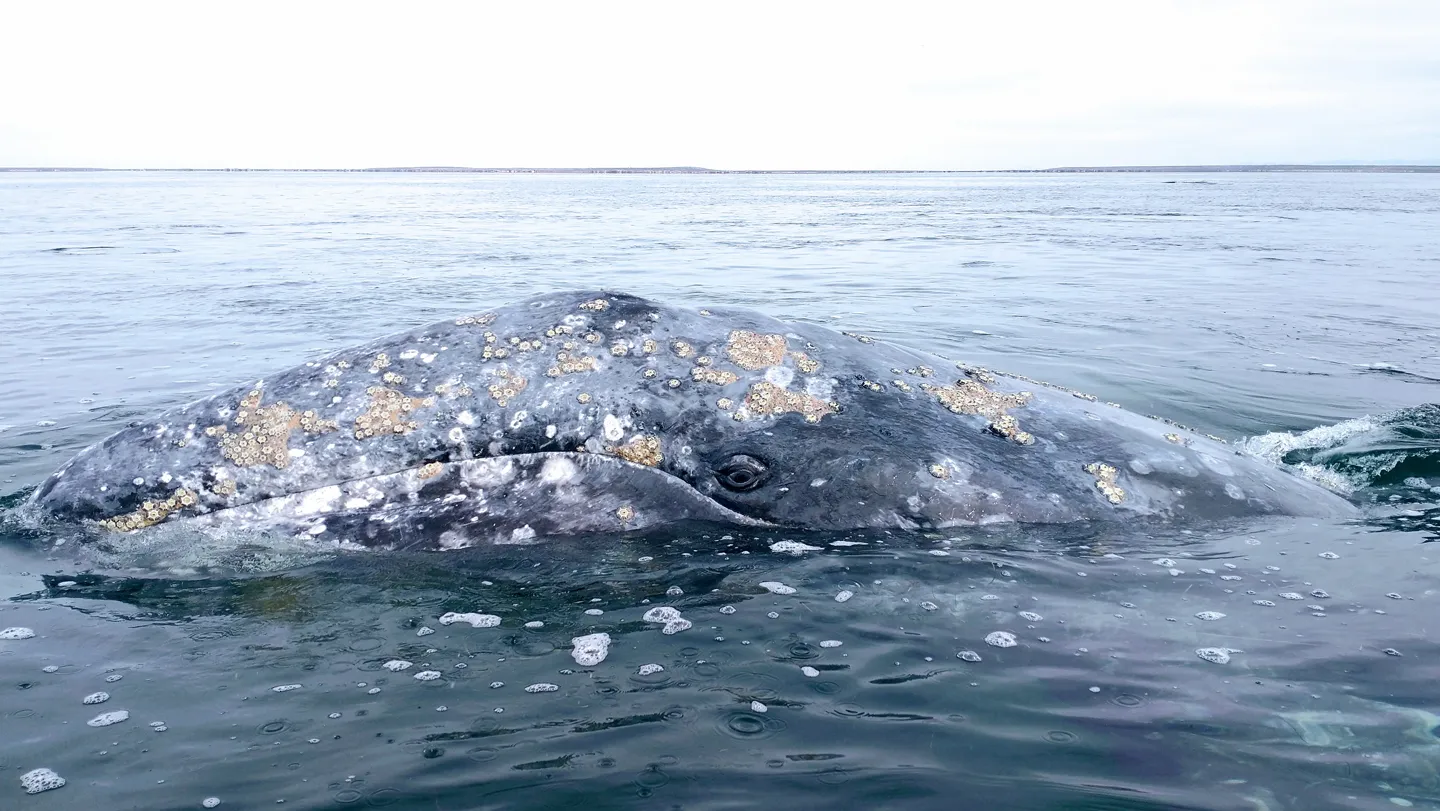
Nearly 1 in 5 Gray Whales Entering San Francisco Bay Die There, Study Finds
Researchers report that approximately 18 percent of photo-identified gray whales visiting San Francisco Bay from 2018 to 2025 died after entering the area. The deaths, often from vessel strikes, coincide with a population decline linked to reduced Arctic food availability. The fi…
 Stat
StatSpyre Therapeutics' SPY001 Drug Meets Primary Goal in Phase 2 Ulcerative Colitis Trial
Spyre Therapeutics announced positive results from the first batch of data in its Phase 2 SKYLINE study for SPY001, an experimental treatment for ulcerative colitis. The drug achieved a 9.2-point decrease in disease activity and induced remission in about 40% of participants afte…