ABS Data Shows Illicit Nicotine at 80% of Australian Consumption in 2025 as Legal Tobacco Spending Falls
New wastewater testing shows illegal cigarettes and vapes now dominate the market. Government excise forecasts were cut by nearly half for the next five years.
 michaelwest.com.au
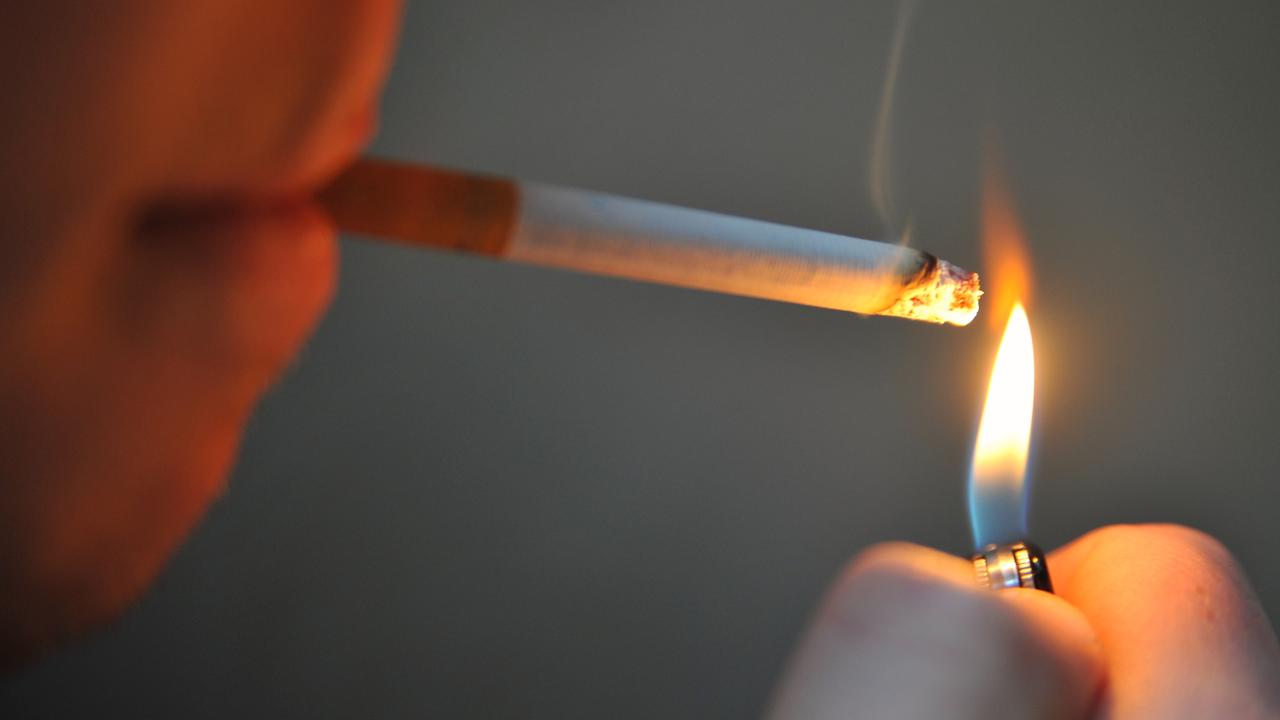
The Australian Bureau of Statistics reported on Wednesday that illicit nicotine products accounted for 80 per cent of total consumption in Australia in 2025, up from 12 per cent in 2017. The bureau reached the figure through experimental testing of nicotine concentration in wastewater across the country.
Nicotine consumption rose 40 per cent between 2017 and 2025, while the population grew 14 per cent and tobacco taxes increased by a third.
Legal tobacco prices have tripled since December 2016, the report said, whereas illicit product prices have remained relatively steady. Household spending on tobacco has fallen back to 2016 levels after peaking at the end of 2020, even as overall consumption continued to climb. The data indicate that consumers have shifted toward cheaper illegal sources.
The federal government, states and territories together spend more than $300 million a year combating the illicit trade. Since the start of the decade, tobacco excise has collected more than $65 billion. In last month’s budget, Treasurer Jim Chalmers wrote down expected tobacco excise collections.
3 billion projected in last year’s budget for the same period. Assistant Minister for Customs Julian Hill said Border Force has seized more than 1000 tonnes of illicit tobacco since late 2025 and that state authorities have closed illegal shops nationwide. He added that early evidence from Queensland shows nicotine users return to the legal market once shops are shut.
“The government will not surrender our nation’s health policy to organised criminals or Big Tobacco who just want to see a new generation of Australians hooked on nicotine,” Hill said. Liberal MP Mary Aldred, co-chair of the Coalition’s illegal tobacco taskforce, said the figures show current policy is no longer effective.
“The ABS report completely destroys the idea Australians are simply quitting smoking,” she said.
Lachlan Vass, research manager at the e61 think tank, said the combination of the ABS data and the excise write-down demonstrates the need for both tax cuts and stronger enforcement. “Concern and hesitation around cutting the tobacco excise needs to account for the fact that 80 per cent of consumption now pays zero excise, and faces vastly lower prices,” he said.
Deakin University criminology senior lecturer James Martin said law enforcement alone cannot suppress a market of this scale.
He called for a review of high tobacco taxes and the ban on less harmful nicotine products such as vapes and nicotine pouches.
Transparency
Reported by a single outlet. This score reflects source tier and factual specificity — corroboration is limited with one source.
Story details
Related Stories
 Substrate placeholder — needs review
House Passes Resolution to End U.S. Hostilities With Iran
The House voted 215-208 to approve a concurrent resolution directing the withdrawal of U.S. forces from Iran after the 60-day war-powers deadline expired in early May. Four Republicans joined all Democrats present in support.
 realitytea.com
Trump Orders Federal Agencies to Strengthen Customs Enforcement
President Trump signed an executive order directing the Department of Homeland Security, Department of the Treasury, and Department of Justice to improve detection and interdiction of unlawful and dangerous imports. The directive requires new operational plans within 60 days and…
 realitytea.com
Trump Signs Executive Order Directing Comprehensive Customs Reform
President Donald J. Trump signed an executive order on June 3, 2026 that mandates reforms to strengthen enforcement of U.S. customs laws. The order targets customs fraud that undermines economic strength and national security, triggering new compliance requirements across importe…