Absence of Endorsement Shapes Georgia Republican Senate Primary
With early voting underway, Georgia Republican voters will select among three candidates for the Senate nomination on May 19. The president has not endorsed in the race, unlike in Kentucky where an endorsement was issued the previous week. A political science professor said the decision may reflect uncertainty over the outcome and candidates have positioned themselves differently in response.
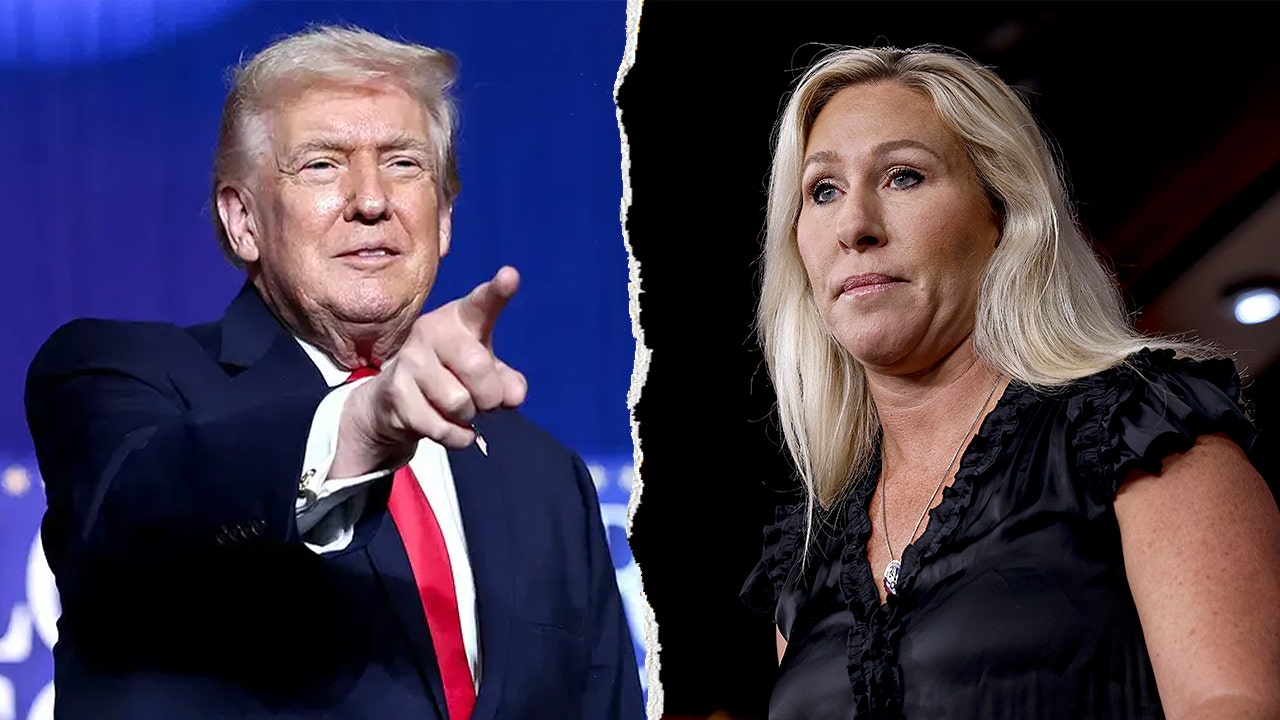 foxnews.com
The president issued a surprise endorsement for a House member from Kentucky in that state's Senate primary last Friday during Kentucky Derby weekend. That endorsement leaves Texas and Georgia as the remaining prominent Republican-led states without such an endorsement in their Senate primaries.
In Texas the president had extended support to all three candidates ahead of the March 3 primary, which led to a runoff. In Georgia, the president has not endorsed ahead of the May 19 primary. Early voting began in late April and has drawn record turnout.
Republican voters will choose among three leading candidates: a House member from the state's 10th District, a House member from the state's 1st District, and a former University of Tennessee football coach.
,” told the Washington Examiner that the lack of an endorsement may stem from uncertainty. “I think it’s probably because … they can’t tell who’s going to win,” Hood said. ” Recent polling shows the first House member leading but with a large share of voters undecided.
The state's governor has actively supported the former football coach, and recent surveys indicate some movement in the race during the early voting period. Hood said two of the candidates have competed to demonstrate the strongest alignment with the president's agenda while the third has taken a different approach.
“Two of them, Collins and Carter, have been falling all over themselves to try to be the best MAGA candidate possible. Derek Dooley’s a little bit different; he’s sort of the Kemp-appointee,” Hood said. The former football coach has emphasized his status as a political outsider and has said he would work with the president while prioritizing Georgia voters.
In campaign appearances he has called for term limits, a ban on stock trading by members of Congress, and an end to government shutdowns.
One candidate leads in fundraising with $3.7 million cash on hand. The other two hold roughly $2.2 million and $2.1 million respectively. A recent Quantus Insights poll showed the leading candidate at 32.6 percent, the governor's preferred candidate at 22.5 percent, the third candidate at 13.7 percent, and 28.6 percent of voters undecided.
The president endorsed in Georgia's gubernatorial primary and has previously supported Senate candidates in the state. The governor backed the former football coach to challenge the Democratic incumbent in the general election. The president has not entered the Senate race despite those other involvements.
Early voting is already underway in Georgia, in contrast to the timing of the Kentucky endorsement. It remains possible but considered unlikely that an endorsement will still occur before polls close on May 19.
Transparency
Reported by a single outlet. This score reflects source tier and factual specificity — corroboration is limited with one source.
Story details
Related Stories
 thehindu.com
House Passes Resolution Asserting Congress Must Authorize Any U.S. Hostilities With Iran
The House voted 215-208 on June 3 to pass a measure directing President Trump to withdraw U.S. forces from hostilities with Iran unless Congress authorizes force. Four Republicans joined Democrats in support of the non-binding resolution.
 Washington Examiner
House Passes Non-Binding Resolution on Iran War Powers, 215-208
The U.S. House voted 215-208 on June 3 to require congressional approval for continued hostilities with Iran. Four Republicans joined Democrats in support after a discharge petition forced the measure to the floor.
 msnbc.com
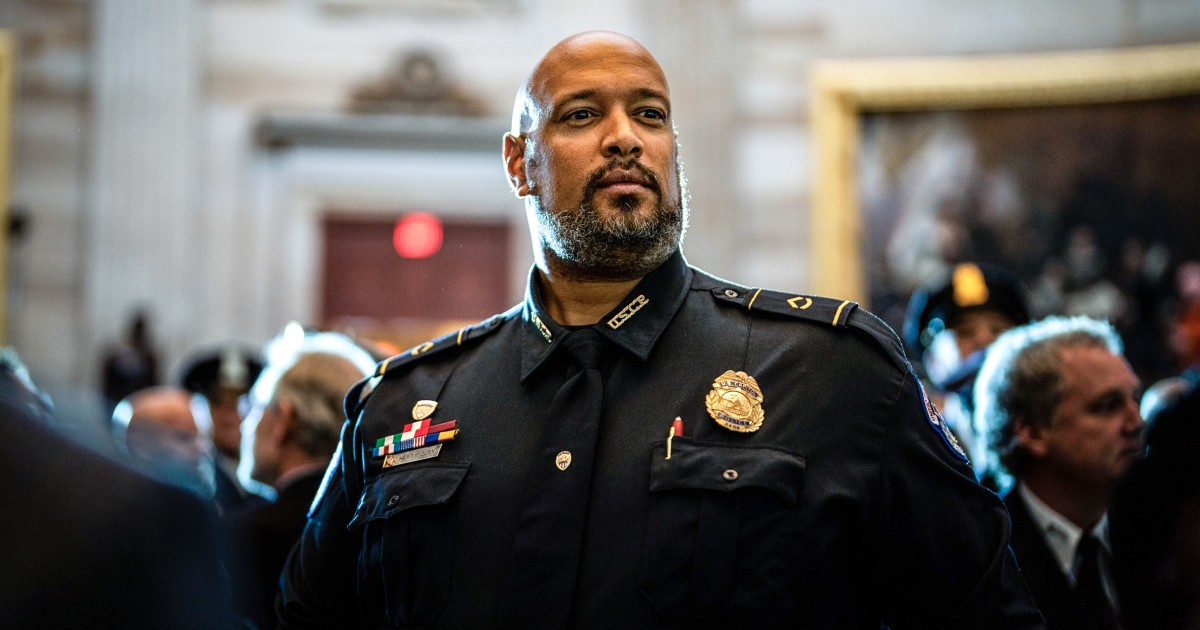
Congress Raises Capitol Police Mandatory Retirement Age
President Trump signed Public Law 119-95 on June 4, 2026, amending chapters 83 and 84 of title 5 to authorize an increase in the mandatory retirement age for U.S. Capitol Police officers. The change extends the period officers can remain on duty, altering staffing calculations an…