science
Air Quality Alerts Issued in Southern California and Southeastern Colorado
Air quality alerts have been issued for parts of southern California and southeastern Colorado due to windblown dust and wildfire smoke. The National Weather Service warned of hazardous pollution levels through the weekend and into early next week.
May 17, 5:35 AM·2m read1 source
 Newsweek
Audio version
Tap play to generate a narrated version.
Air quality alerts have been issued across parts of southern California and southeastern Colorado. The National Weather Service warned that hazardous levels of pollution from windblown dust and wildfire smoke could pose health risks to residents through the weekend and into early next week.
In southern California, the South Coast Air Quality Management District placed the Coachella Valley and the San Gorgonio Pass near Banning under an air quality alert until Monday morning. Cities including Palm Springs, Indio, and La Quinta are covered by the alert.
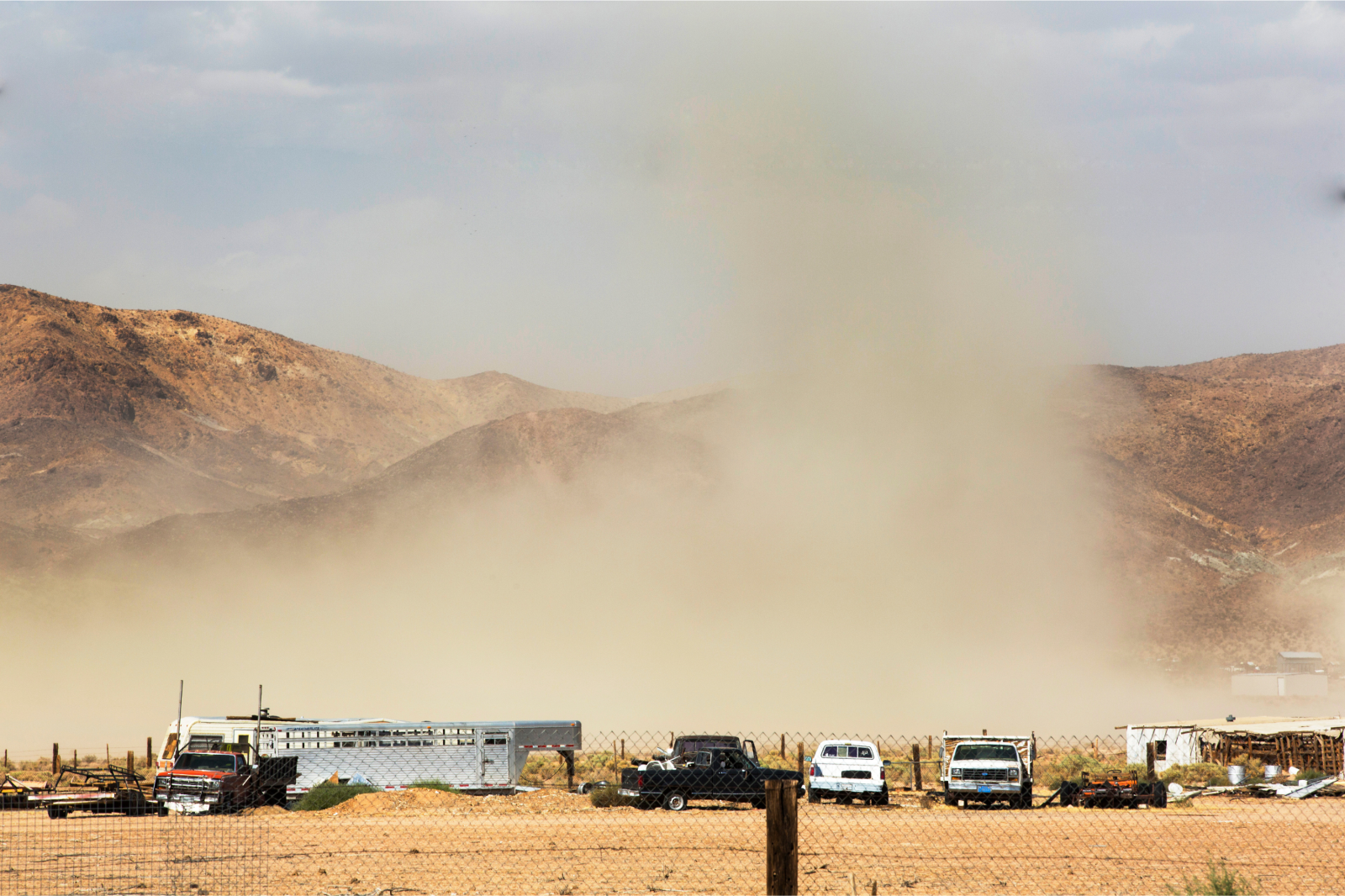
A separate alert for blowing dust is in effect in California's Imperial Valley during daytime and evening hours on Sunday. In southeast Colorado, an air quality health advisory for wildfire smoke covers Bent, Prowers, Otero, Las Animas, and Baca counties.
Towns including Trinidad, Lamar, and La Junta are affected. The advisory runs until Sunday morning.
Strong winds are lifting dust and loose soil into the air in California's desert regions. Dry ground and sparse vegetation in the Coachella and Imperial valleys make it easier for wind to raise airborne particles. In Colorado, multiple active fires are sending plumes of smoke across populated areas. The smoke contains gases and microscopic particles from burning vegetation and other materials.
Particle pollution consists of tiny solid and liquid particles suspended in the air. Fine particles smaller than the width of a human hair can be inhaled deep into the lungs and enter the bloodstream. Exposure to high levels of particle pollution has been linked to asthma attacks, worsened heart and lung disease symptoms, increased risk of lung infections, and heightened risk of cardiovascular events.
Children, older adults, and people with existing heart or lung conditions are especially vulnerable. The National Weather Service advised residents in affected areas to limit time outdoors, stay indoors with windows and doors closed, and use air conditioning or air purifiers.