Aluminum Market Enters Deficit Due to Middle East Disruptions
The aluminum market has shifted into a significant deficit following escalations in the Middle East. Disruptions at Gulf smelters have reduced capacity, impacting global supply and pricing. Analysts project potential deficits and elevated prices if issues persist.
 Substrate placeholder — needs review
The aluminum market has moved into a deficit following escalations in the Middle East, according to a report from seekingalpha.
What began as disruptions to shipping and logistics has developed into a supply shock, with multiple Gulf smelters operating below capacity.
The Middle East accounts for about 9% of global aluminum production but a larger portion of seaborne supply.
As a result, these disruptions affect market availability and pricing significantly.
supply disruptions across Gulf smelters have created a deficit with limited near-term recovery, seekingalpha.
com reported. 9 million tonnes if disruptions continue, driven by curtailments affecting nearly half of the region's production. In a base case scenario, supply constraints are expected to ease gradually, with demand destruction and increased Chinese supply limiting further price increases; prices are projected to remain elevated but not rise materially higher.
Key upside risks include persistent or intensified disruptions, which could lead to further smelter curtailments and alumina constraints, potentially pushing prices above $4,000 per tonne.
However, demand destruction may temper gains in the second half of the year.
Transparency
Mild loaded framing in verbs like 'escalations' and 'supply shock' adds dramatic tone to neutral market disruptions, but overall neutral.
Loaded metaphor: dramatic verbs heighten perceived crisis intensity
Geopolitical tensions may temporarily disrupt aluminum supply, but global production capacity and easing constraints could stabilize prices by year-end.
Reported by a single outlet. This score reflects source tier and factual specificity — corroboration is limited with one source.
Sources framed at 18; our rewrite scored 18 — in line with the sources.
Story details
Related Stories
 thehindu.com
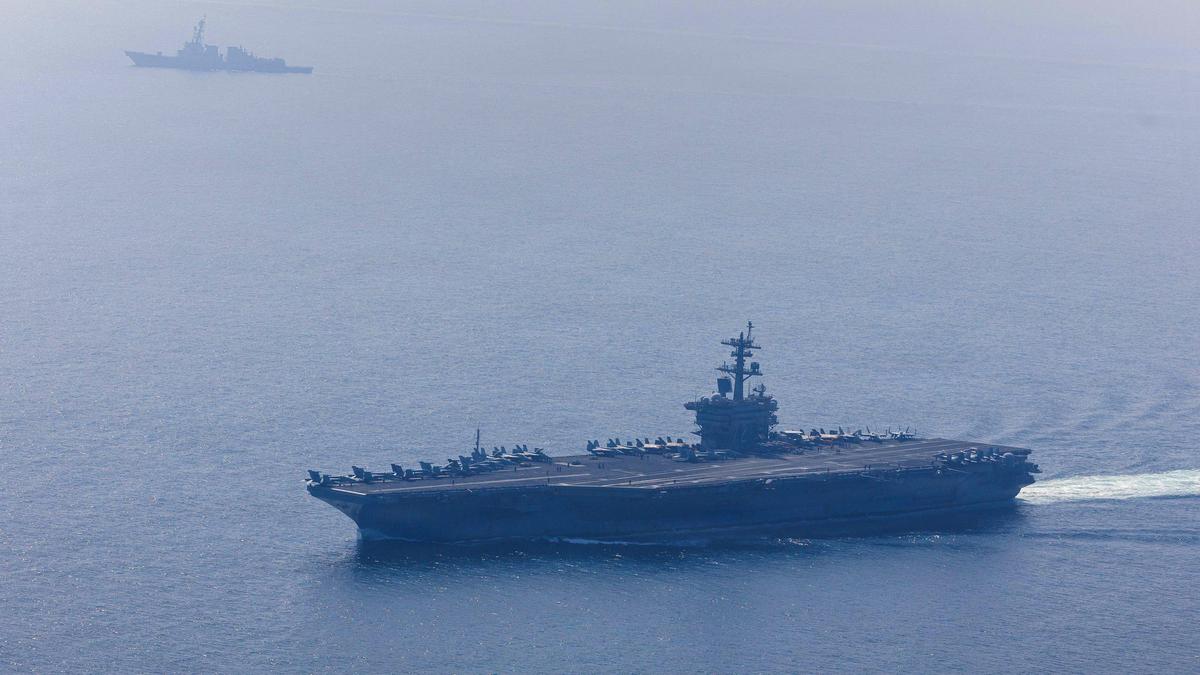
U.S. Strikes Botswana-Flagged Tanker in International Waters; Iran Blockade in Effect
A U.S. aircraft fired an AGM-114 Hellfire missile into the engine room of the M/T Lexie on Tuesday, disabling the unladen vessel as it headed toward Kharg Island. The strike followed repeated ignored warnings over 24 hours.
 al-monitor.com
U.S. Sanctions Four Iranian Crypto Exchanges, Including Nobitex
U.S. officials imposed sanctions on Iran's largest cryptocurrency exchange Nobitex and three unnamed additional platforms. The measures bar the exchanges from the U.S. financial system and prohibit American persons from dealing with them.
 news.sky.com
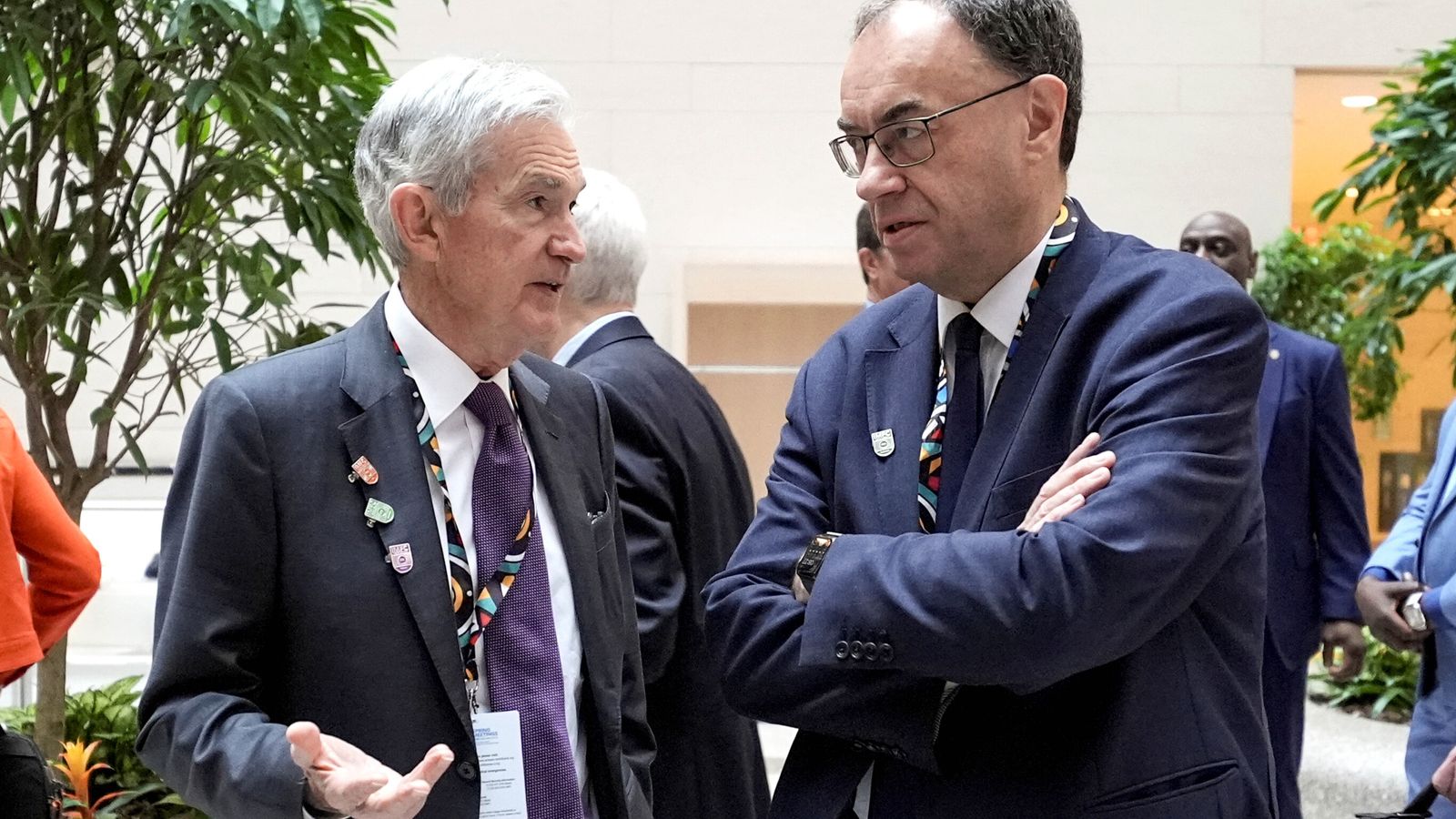
Fed Chairman Names Two Outside Advisers During Transition
Federal Reserve Chairman Kevin Warsh appointed two interim advisers shortly after taking the post. One previously contributed to a conservative plan calling for major changes at the central bank.