Anchorage man gets 5.8 years for receiving child pornography and possessing AI-generated child sexual abuse images
U.S. District Court in Anchorage sentenced an Anchorage man to 5.8 years in prison after he pleaded guilty to receiving child pornography and possessing AI-generated images depicting the sexual abuse of minors. The case marks one of the first federal sentencings to explicitly combine traditional child pornography offenses with possession of AI-generated material.
 propublica.org
ANCHORAGE, Alaska — An Anchorage man was sentenced to 5.8 years in federal prison on June 3 for receiving child pornography and for creating and possessing artificial intelligence-generated images that depict the sexual abuse of minors.
The defendant, whose name is not released in the charging documents made public by the Department of Justice, pleaded guilty to both counts. The 5.8-year term includes a period of supervised release that follows imprisonment. Federal sentencing guidelines treated the AI-generated images as equivalent to real child sexual abuse material under existing statutes.
The sentence directly affects the defendant, who must serve the full term minus any good-time credit. It also places him on the sex-offender registry upon release. The case is one of a small but growing number of federal prosecutions in which AI-generated child sexual abuse material forms part of the evidentiary record.
The sentencing changes the operational status for this defendant from pretrial release to immediate incarceration at a Bureau of Prisons facility. It triggers mandatory sex-offender registration and notification requirements under the Sex Offender Registration and Notification Act.
Federal probation officers must now monitor the defendant’s internet use and device possession for the duration of supervised release. The ruling also requires the destruction of all seized material, including the AI-generated files.
Downstream, the case requires the U.S. Attorney’s Office for the District of Alaska to report the disposition to the national child pornography offender database. It supplies the Department of Justice with a concrete sentencing precedent that prosecutors in other districts can cite when AI-generated images appear alongside traditional child pornography.
Courts must now determine in future cases whether the same sentencing enhancements applied here remain consistent when only AI-generated material is involved. Congress has received periodic briefings from the Justice Department on the volume of AI-generated child sexual abuse material appearing in federal cases.
This is the first public sentencing announced by the U.S. Attorney’s Office in Alaska that expressly includes AI-generated child sexual abuse images as a distinct element of the offense. The Department of Justice has previously stated that federal law treats such images as prosecutable under statutes covering visual depictions of minors engaged in sexually explicit conduct.
Coverage spread
Substrate’s article above is written from the primary record. Below: how mainstream outlets reported the same event.
No mainstream coverage of this story has surfaced yet.
Transparency
Reported by a single outlet. This score reflects source tier and factual specificity — corroboration is limited with one source.
Related Stories
 Substrate placeholder — needs review
House Passes Resolution to End U.S. Hostilities With Iran
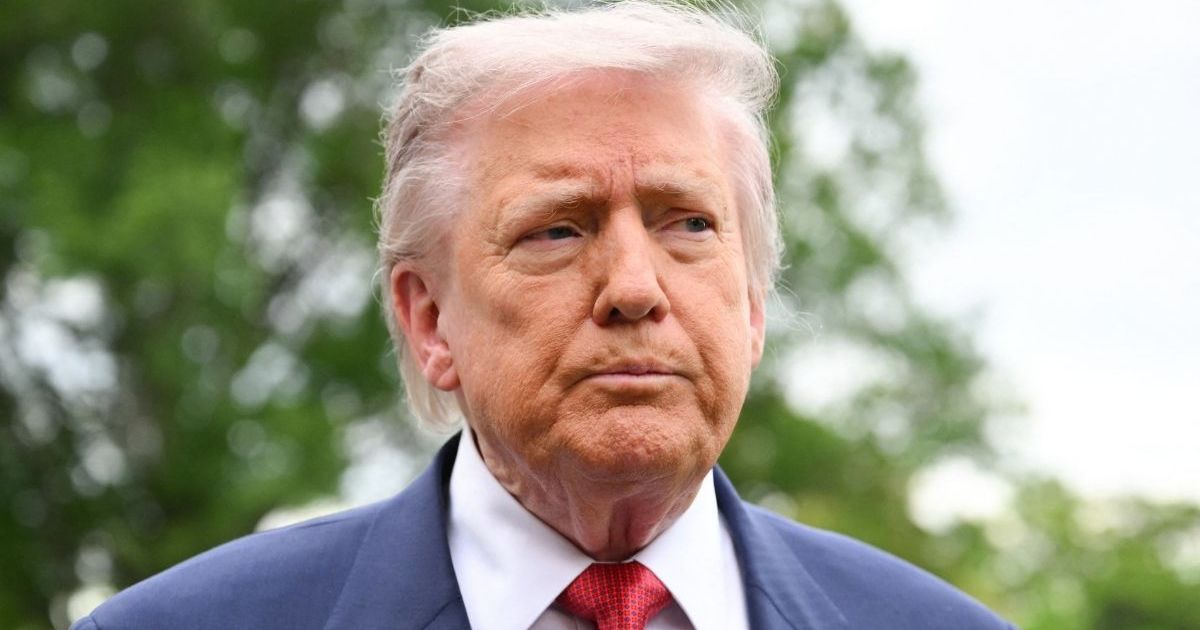
The House voted 215-208 to approve a concurrent resolution directing the withdrawal of U.S. forces from Iran after the 60-day war-powers deadline expired in early May. Four Republicans joined all Democrats present in support.
 realitytea.com
Trump Orders Federal Agencies to Strengthen Customs Enforcement
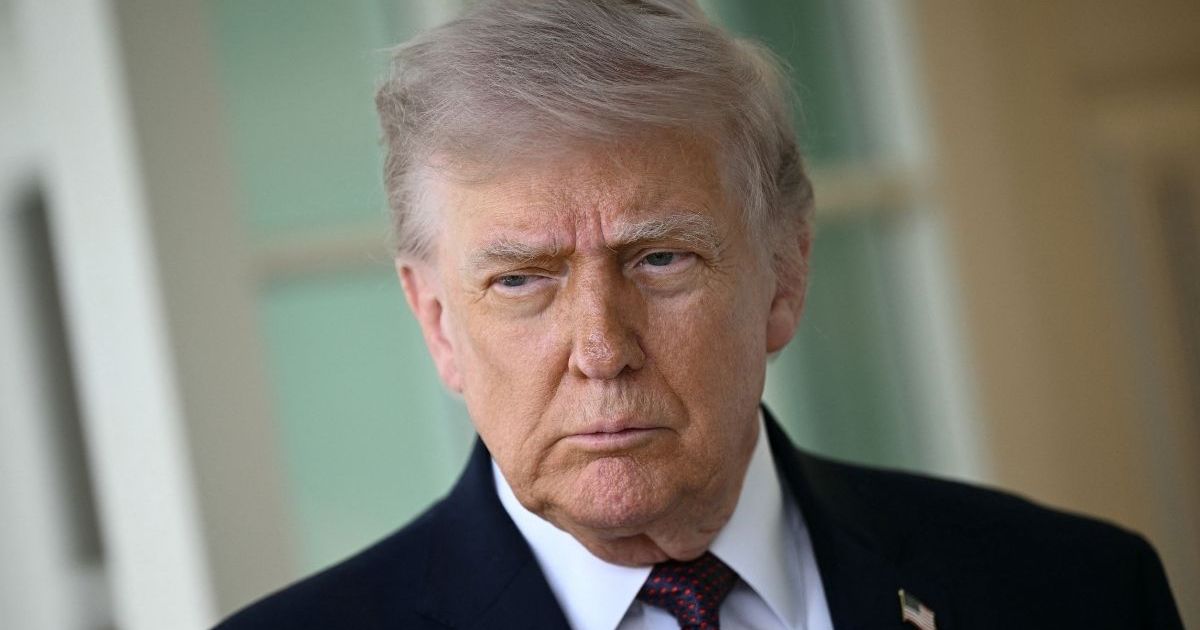
President Trump signed an executive order directing the Department of Homeland Security, Department of the Treasury, and Department of Justice to improve detection and interdiction of unlawful and dangerous imports. The directive requires new operational plans within 60 days and…
 realitytea.com
Trump Signs Executive Order Directing Comprehensive Customs Reform
President Donald J. Trump signed an executive order on June 3, 2026 that mandates reforms to strengthen enforcement of U.S. customs laws. The order targets customs fraud that undermines economic strength and national security, triggering new compliance requirements across importe…