technology
Artemis II Crew Set to Surpass Apollo 13 Distance Record During Lunar Flyby
The Artemis II mission, launched on April 1, 2024, from Florida, features four astronauts—three Americans and one Canadian—on a crewed lunar flyby without landing. The crew will exceed Apollo 13's 1970 distance record of 248,655 miles from Earth by approximately 4,000 miles while observing the moon's far side and a total solar eclipse visible only from their spacecraft.
Apr 5, 8:01 AM·3m read2 sources

 The Independent
Audio version
Tap play to generate a narrated version.
The Artemis II spacecraft, carrying commander Reid Wiseman, pilot Victor Glover, mission specialist Christina Koch and Canadian mission specialist Jeremy Hansen, launched on April 1, 2024, from Kennedy Space Center in Florida aboard a Space Launch System rocket.
This marks the first crewed mission to the moon since Apollo 17 in 1972 and the first with international participation. The crew follows a free-return trajectory, using gravitational assists from Earth and the moon to conserve fuel.
During the lunar flyby scheduled for Monday, the astronauts will reach a maximum distance from Earth of approximately 252,655 miles, surpassing the 248,655-mile record set by Apollo 13 in 1970. Apollo 13's crew—commander Jim Lovell, lunar module pilot Fred Haise and command module pilot Jack Swigert—achieved that distance after an oxygen tank rupture aborted their landing, forcing a safe return via the same trajectory.
The Independent reported that Artemis II's path will exceed Apollo 13's by about 4,000 miles due to slight orbital differences.
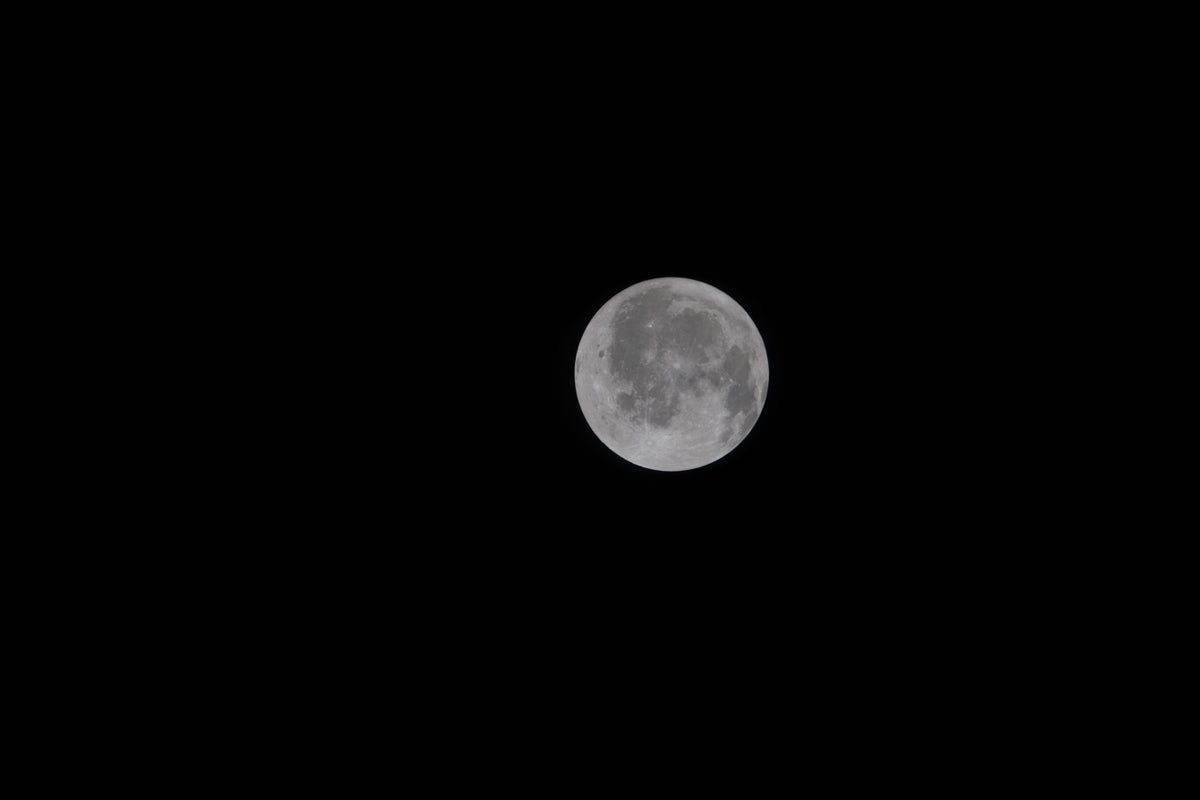
The four astronauts will take shifts in pairs to observe and photograph the moon's surface, focusing on the far side, which Apollo crews viewed under less favorable lighting conditions. NASA geologist Kelsey Young stated that the crew will identify features including portions of the Orientale Basin, previously unseen by human eyes in detail.
The observations form part of 10 NASA objectives, emphasizing the human eye's superiority for detecting color, context and photometric changes in lunar terrain, as Young explained to AFP.
Despite advanced cameras aboard Orion, including professional equipment and personal iPhones, the primary tool for study remains the astronauts' eyesight. Young described the human eye as the best instrument for capturing subtle details like how angled lighting reveals texture while altering color perception.