Unbiased AI-powered news
Berlin-based artist Alida Sun creates digital artworks daily using a self-designed audio-visual system that responds to movement. Her exhibition RITES at Method Delhi converted these digital pieces into hand-woven and embroidered tapestries in collaboration with women artisans.

Substrate placeholder — needs reviewBerlin-based artist Alida Sun produces digital artworks almost every day through coding. She uses a self-designed audio-visual instrument that detects light and converts movements into geometric patterns, visuals, and sounds. Sun has maintained this daily practice for 2500 days, equivalent to nearly seven years.
Sun developed the system to make coding more engaging and less screen-intensive. The process incorporates physical movement to create restorative and enjoyable experiences. This approach transforms coding into a ritual that emphasizes awareness of the body.
In her recent exhibition titled RITES at Method Delhi, Sun explored the physical aspects of coding by translating digital artworks into tangible forms. The exhibition featured hand-woven and embroidered tapestries created in collaboration with women artisans from the Swami Sivananda Memorial Institute of Fine Arts & Crafts, a non-profit organization in Delhi.
These tapestries represent an effort to make code art more intimate and accessible.
The exhibition addresses the historical links between textiles and programming.
Modern computing traces its origins to weaving practices, which were traditionally associated with women's labor. For example, women in New England, US, wove copper 'rope' to store software code for the Apollo Missions, a technology known as core-rope memory that resembled textile work. Sun's project reclaims women's often overlooked roles in computational history.
The tapestries incorporate elements from Indian textile traditions, learned during the collaboration. Artisans added their own patterns, such as embroidered flowers, which influenced Sun's subsequent digital designs. The collaboration lasted two years and involved ongoing dialogue between Sun and the artisans, despite language and cultural differences.

They connected over shared experiences in art-making and the technical aspects of their work. The process emphasized enjoyment and mutual influence in creating the pieces.
work questions the view of code as a purely cerebral activity disconnected from the physical body.
The exhibition presents technology through perspectives outside dominant industry narratives. It highlights how physical interactions with art can affect viewers on a bodily level. Specific tapestries in RITES include pieces with colorful squares on pink backgrounds and embroidered floral designs that provide texture and depth.
These works aim to elevate crafts traditionally linked to women, such as weaving and embroidery, beyond categories of 'craft' versus 'fine art'. Historical critiques, such as those in the 1998 paper 'Crafty Women and the Hierarchy of the Arts' by Griselda Pollock and Rozsika Parker, note that the artist's gender influences how art is perceived and discussed.
As a STEM graduate, Sun began with interactive and light art that shaped physical spaces from rooms to neighborhoods.
Her current practice focuses on making code art more personal. Sun maintains an Instagram account with 177,000 followers, where she shares her work and critiques in the tech sector.
the exhibition's end last month, RITES is now viewable online.
Sun is scheduled to lead a lecture on the project and embodying code at The Academy of Fine Arts Vienna this month. She will also speak on her daily art-making process at the Women In Tech Sweden conference in Stockholm. Sun's system started with black-and-white works suitable for projection but evolved to include color.
The playful and movement-driven nature of her art serves as a counterpoint to conventional tech environments. She continues the daily coding practice, finding it restorative.
The Ministry of Health reported 1,003 cases and 254 deaths as of the latest count, with 100 recoveries. The Bundibugyo virus outbreak, declared May 15 in Ituri province, has spread to neighboring provinces and Uganda.
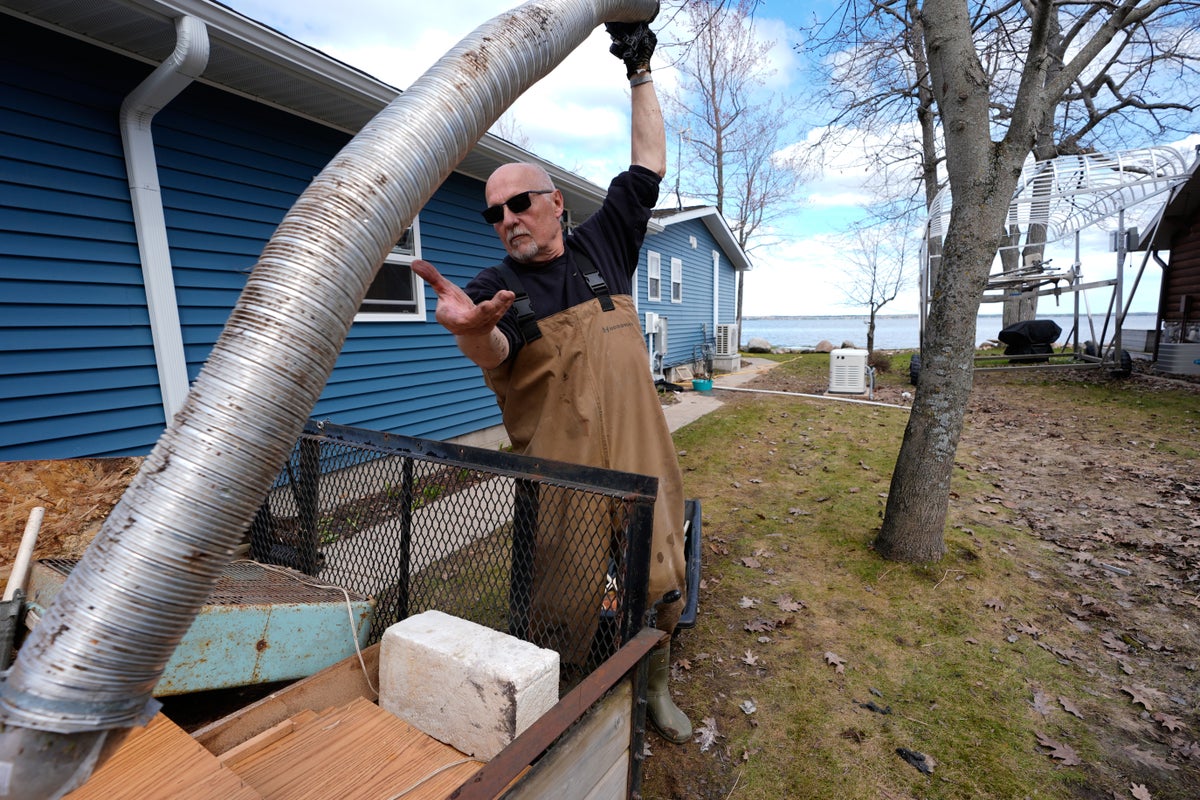
The IndependentRecord spring rains and snowmelt flooded northern Michigan homes, exposing gaps in federal flood maps and insurance access for thousands of residents. Many property owners had been told they were outside mapped flood zones and could not obtain coverage.
pbs.orgThe nominee for FEMA director said staff cuts would present operational difficulties and pledged faster distribution of disaster funds to states. The comments came during a Senate hearing on the nomination.