Upcoming Documentary to Feature Footage of Coaster Brook Trout in Lake Superior
A new documentary titled Hidden Below: The Great Lakes will present footage of Coaster Brook Trout spawning in the outer islands of the Lake Superior National Marine Conservation Area. The film is produced by filmmakers Yvonne Drebert and Zach Melnick for TVO Original. It explores underwater environments in the Great Lakes that are rarely documented.
 U.S. Fish and Wildlife Service - Midwest Region / Wikimedia (Public domain)
A forthcoming documentary examines underwater life in the Great Lakes, with a focus on Coaster Brook Trout in Lake Superior. The film, Hidden Below: The Great Lakes, includes footage captured in the Lake Superior National Marine Conservation Area. This area encompasses outer islands where the trout spawning occurs.
The documentary presents what is reported as the first footage of Coaster Brook Trout spawning in these locations. Coaster Brook Trout are a type of brook trout that migrate between streams and Lake Superior for spawning. The footage was obtained during expeditions to depths in the Great Lakes.
Yvonne Drebert and Zach Melnick, the filmmakers, produced the TVO Original documentary. Both have received awards for previous work in documentary filmmaking. The project highlights aspects of the Great Lakes ecosystem that receive limited public attention.
Background on Coaster Brook Trout Coaster Brook Trout play a role in the Lake Superior ecosystem as migratory fish.
They spawn in streams and nearshore areas, including outer islands protected within the national marine conservation area. The area was established to conserve marine biodiversity in Lake Superior. Documenting spawning behavior provides insights into fish populations and habitat conditions.
Such footage can support research on environmental factors affecting trout in the Great Lakes. The documentary aims to make this information accessible to a wider audience.
Production and Release Details Hidden Below:
The Great Lakes is scheduled for release as a TVO Original.
TVO is a public broadcaster in Ontario that produces educational content. The film draws from explorations conducted by the filmmakers in various Great Lakes locations. Viewers can expect coverage of underwater scenes beyond the trout footage, including other marine life.
The production involved technical challenges associated with filming in deep, cold waters. No specific release date has been announced in available reports.
Story Timeline
2 events- Upcoming
Documentary Hidden Below: The Great Lakes is produced by Yvonne Drebert and Zach Melnick for TVO Original.
1 sourceCbc - Recent
Filmmakers capture footage of Coaster Brook Trout spawning in Lake Superior National Marine Conservation Area.
1 sourceCbc
Potential Impact
- 01
Educational content available via TVO broadcast platform.
- 02
Increased public awareness of Great Lakes ecosystems through documentary viewing.
- 03
Potential support for conservation efforts in Lake Superior area.
Transparency Panel
Related Stories
 NASA Johnson Space Center / Wikimedia (Public domain)
NASA's Artemis II Completes First Manned Moon Mission Since 1972, Sets Distance Record
NASA's Artemis II mission completed a flight around the moon and splashed down in the Pacific Ocean on Saturday. The mission marks the first manned moon mission since 1972 and set a record for the furthest humans have travelled into space at 252,756 miles (406,771km). Meanwhile,…
 Science News
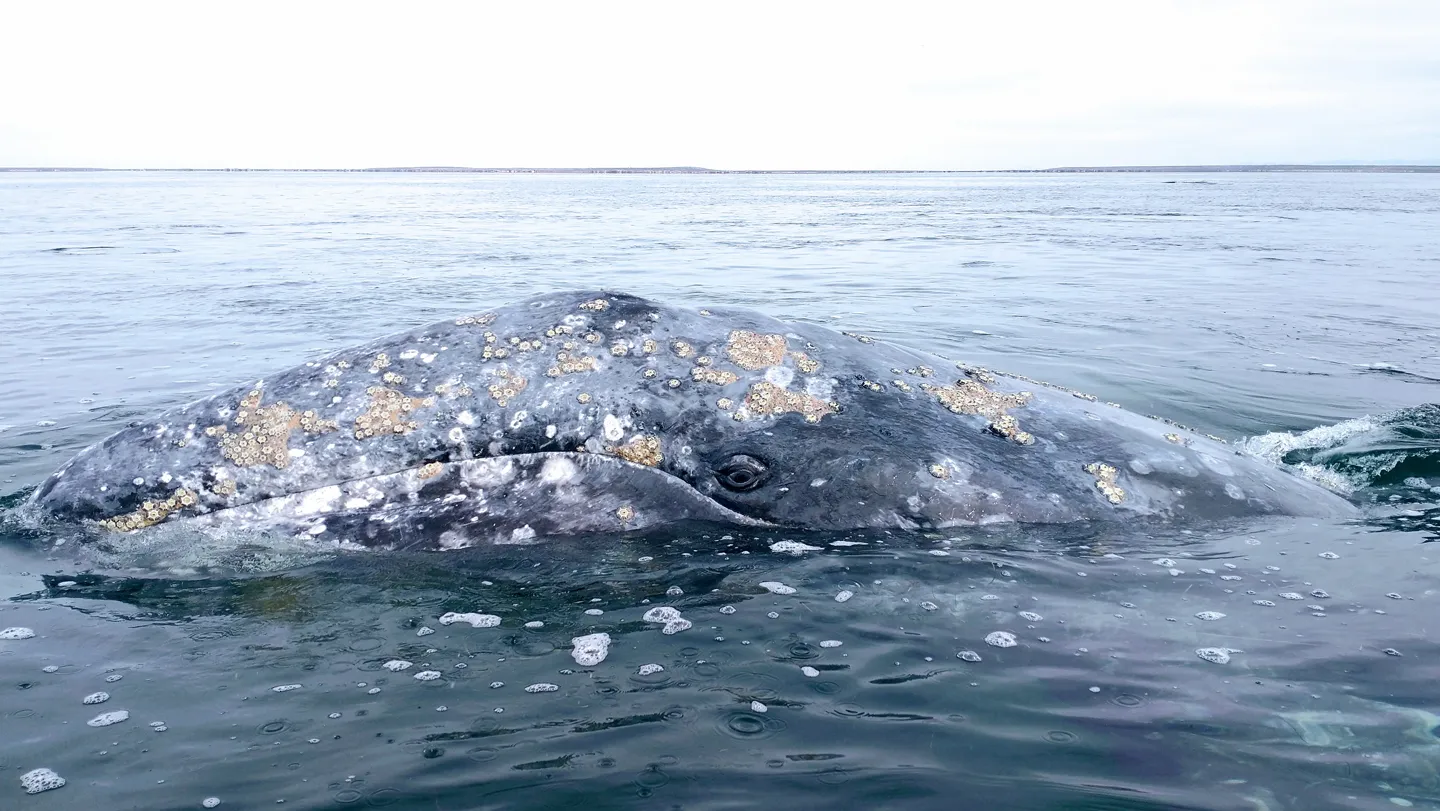
Nearly 1 in 5 Gray Whales Entering San Francisco Bay Die There, Study Finds
Researchers report that approximately 18 percent of photo-identified gray whales visiting San Francisco Bay from 2018 to 2025 died after entering the area. The deaths, often from vessel strikes, coincide with a population decline linked to reduced Arctic food availability. The fi…
 Stat
StatSpyre Therapeutics' SPY001 Drug Meets Primary Goal in Phase 2 Ulcerative Colitis Trial
Spyre Therapeutics announced positive results from the first batch of data in its Phase 2 SKYLINE study for SPY001, an experimental treatment for ulcerative colitis. The drug achieved a 9.2-point decrease in disease activity and induced remission in about 40% of participants afte…