world
Bolivians Switch to Electric Vehicles After Government Ends Fuel Subsidies and Doubles Prices
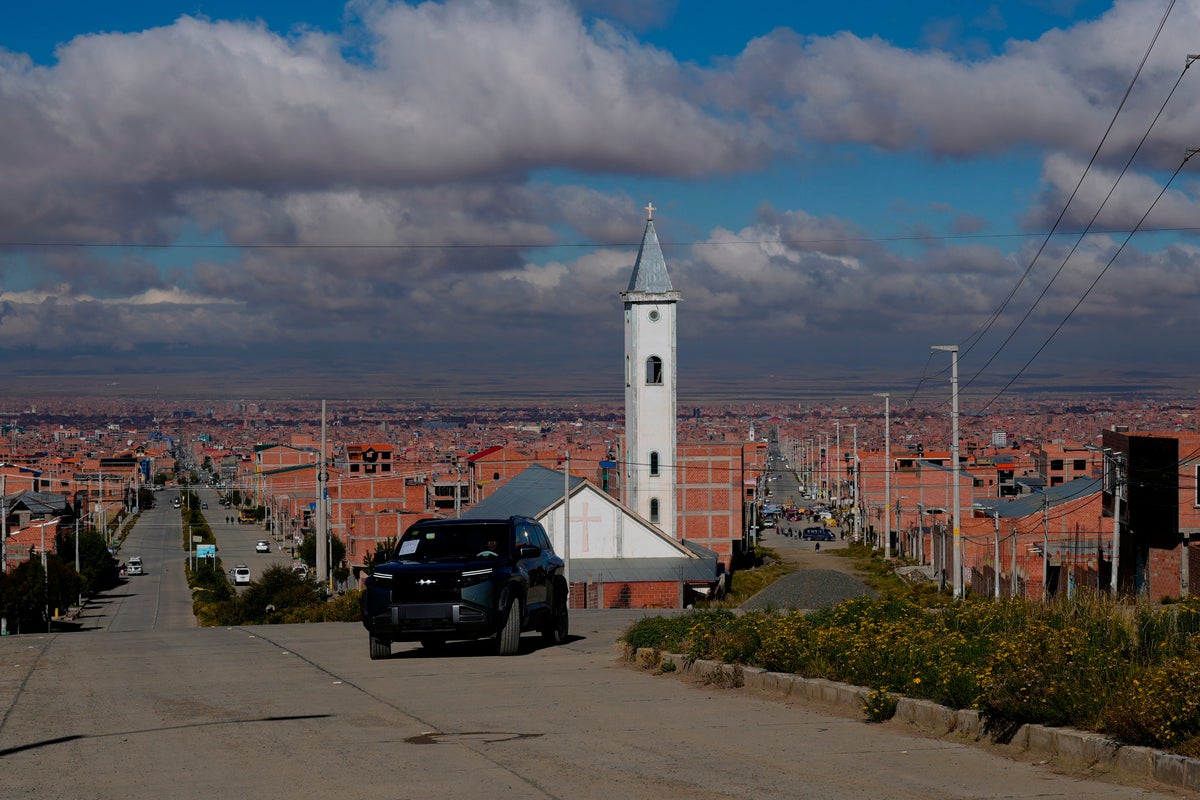
Simón Huanca, a 53-year-old Indigenous artisan in El Alto, imported a Chinese electric car and installed a home charger after gasoline prices doubled. President Rodrigo Paz ended long-standing fuel subsidies in December, one month after taking office, triggering protests over poor-quality fuel.
 The Independent
Audio version
Tap play to generate a narrated version.
Developing·Limited corroboration so far. This page will refresh as more sources emerge.
Simón Huanca, a 53-year-old Indigenous artisan, imported a Chinese electric car for use in El Alto, Bolivia’s highest city. He uses the vehicle to transport his family and alpaca wool for his weaving workshop. 6 million people.
“Since last year, I’ve been trying to get an electric car to save on costs,” Huanca said while driving his electric off-road vehicle through a working-class neighborhood. Bolivia ended long-standing fuel subsidies via presidential decree, effectively doubling the cost of gasoline. The country imports 80 percent of the diesel and 55 percent of the gasoline it consumes.
The fuel subsidy represented an annual drain of more than $2 billion on the state. Energy supply disruptions worsened in 2023 under then President Luis Arce. In December, one month after taking office, President Rodrigo Paz repealed the fuel subsidy and energy prices nearly doubled.
A few weeks after the subsidy repeal, transport operators complained that poor quality gasoline was damaging their vehicles. The government alleged sabotage. President Rodrigo Paz said that the gasoline distributed by Yacimientos Petrolíferos Fiscales Bolivianos was contaminated with gum and manganese that had remained in the storage tanks since the Arce administration.
The “junk gasoline” scandal triggered a wave of strikes and protests among transportation workers and the resignations of two high-ranking officials at Yacimientos Petrolíferos Fiscales Bolivianos. The last straw for many Bolivians was the Iran war, which raised fears of yet another rise in fuel prices.
Ever Vera, a 54-year-old lawyer who traded his gasoline-powered car for an electric vehicle, said the switch has brought relief.

