finance
Book Examines U.S. Trade Strategy and Supply Chain Risks
A new book outlines historical patterns in trade policy and argues the United States must adapt its approach to industrial policy and supply chain security amid ongoing competition with China.
May 19, 8:00 PM·1m read2 sources

 fortune.com
Audio version
Tap play to generate a narrated version.
A new book titled How to Win a Trade War examines U.S. trade policy and supply chain vulnerabilities at a time when the administration is rebuilding tariff measures. The authors argue that the United States has historically been reluctant to use government intervention in markets while China has pursued coordinated industrial strategies.
They point to examples such as China's approach to electric vehicles and rare earth minerals as deliberate efforts to create domestic demand and control critical supply chains.
The book contrasts U.S. semiconductor investments under the CHIPS Act with China's use of local content requirements and state purchasing to support domestic production. Officials expanded CHIPS Act tax credits from 25 percent to 35 percent while also taking equity stakes in select companies.
The authors note that China maintains hundreds of state-controlled firms that pursue objectives beyond profit maximization, including employment stability and national security goals.
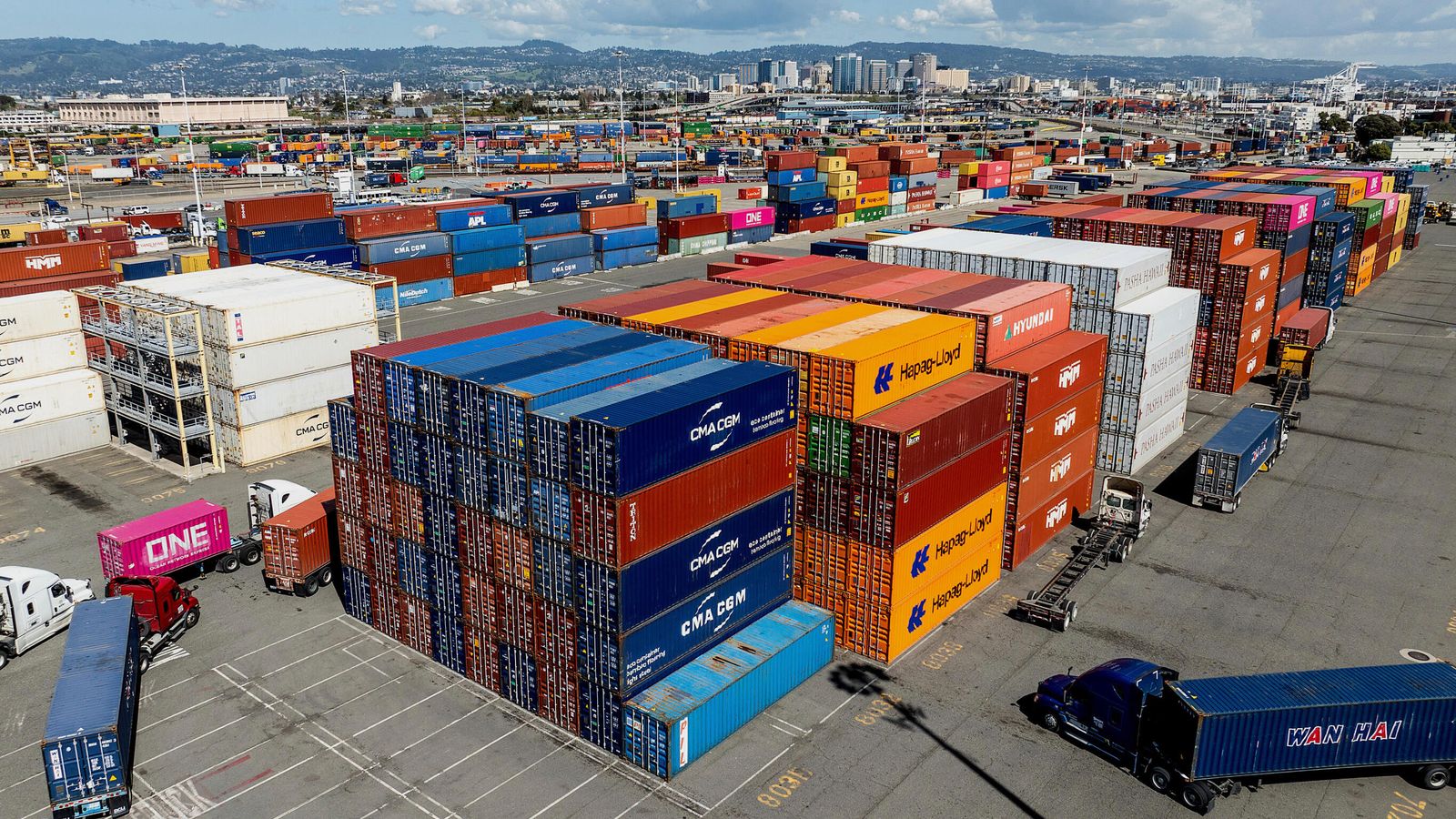
Data showed a drop in direct imports from China, but trade flows shifted through Vietnam, Mexico, and other countries. Companies adjusted supply chains rather than seeking reversal of tariff policies once new arrangements were established. Multinational firms are described as responding to incentives and regulations rather than acting as direct agents of government strategy.
Europe is identified as a potential next area of friction due to increased Chinese exports of electric vehicles, chemicals, and industrial goods. The authors suggest simultaneous disputes with multiple trading partners complicate efforts to coordinate responses to supply chain concerns.
The book concludes that structural competition over critical materials and technology will persist beyond any single administration.