Botswana Raises Interest Rates Amid African Inflation
Botswana's central bank raised its main interest rate to combat inflation fueled by the Iran war and rising oil prices. A U.S. Federal Reserve official warned of potential rate hikes if Middle East conflicts cause larger price shocks. Kenya seeks emergency World Bank funds to mitigate energy cost impacts.
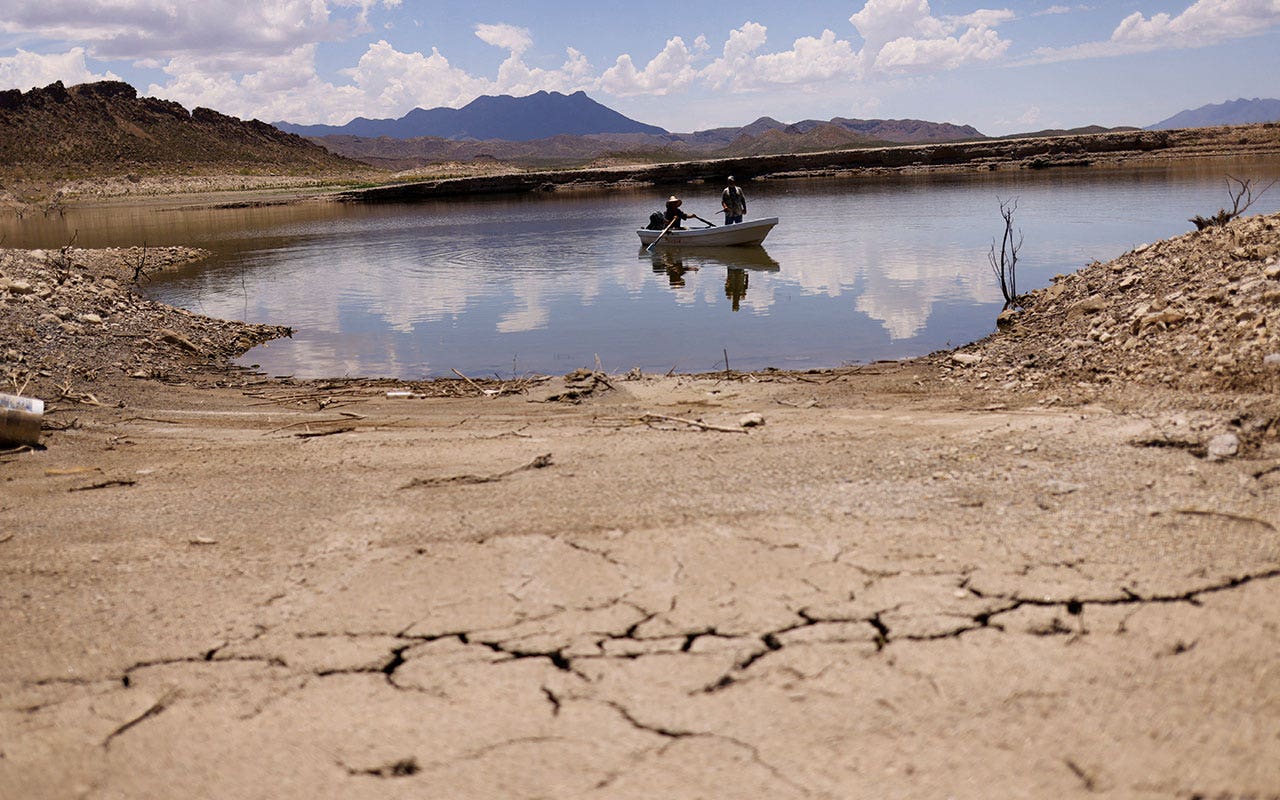
stock-ai.com / Wikimedia (CC BY-SA 4.0)Botswana's central bank increased its main interest rate to 5.5% from 3.5% in response to surging inflation triggered by the Iran war. Oil prices reached $126 a barrel on Thursday, the highest since 2022, amid fears of prolonged supply disruptions from the closure of the Strait of Hormuz.
This marks the first such rate hike in Africa addressing the continent-wide economic fallout. The rate adjustment aims to counter expected higher fuel prices pushing inflation to a three-year high in Botswana. The country is also facing a slump in the global diamond market, which accounts for a third of government revenues.
Kenya is pursuing around $600 million in emergency funds from the World Bank to cushion the effects of the global energy shock. Pump prices have surged despite eased energy taxes in Nairobi.
“Most of Africa will face worsening terms of trade," Capital Economics wrote in a note to clients. The note added that this would drive inflation, slowing or halting monetary easing cycles and dampening economic growth across the continent.”
U.S. Federal Reserve Response A key U.S.
Federal Reserve official warned on Friday that a series of interest rate hikes could be needed if price shocks from the Middle East war exceed expectations and fuel inflation. This statement highlights concerns over global economic ripple effects from the conflict. The warning comes amid ongoing fears of supply disruptions continuing for months due to the Iran war.
Key Facts
Story Timeline
3 events- Today — Friday
A key U.S. Federal Reserve official warned of potential interest rate hikes if Middle East war price shocks fuel inflation.
1 sourceUS Federal Reserve snippet - May 2, 2026 — Thursday
Oil prices jumped to $126 a barrel, the highest since 2022, due to fears of supply disruptions from the Strait of Hormuz closure.
1 sourceSemafor Africa - May 1, 2026
Botswana's central bank hiked its main interest rate to 5.5% from 3.5% to address inflation from higher fuel prices.
1 sourceSemafor Africa
Potential Impact
- 01
Inflation in Botswana will reach a three-year high due to higher fuel prices.
- 02
U.S. Federal Reserve may implement a series of interest rate hikes.
- 03
Kenya's pump prices will remain high despite eased energy taxes.
- 04
Global diamond market slump will further strain Botswana's government revenues.
- 05
African countries will experience slowed monetary easing and dampened economic growth.
Transparency Panel
Related Stories
EuronewsUS, Japan, and South Korea Stock Indices Reach Record Highs Despite Iran War Disruptions
Major stock indices in the United States, Japan and South Korea reached new all-time highs this week, even as the war in Iran disrupts global energy markets and shipping routes. Oil prices stand at a four-year high, with 10-12 million barrels a day disrupted in the Strait of Horm…
Sen. Tim Scott Urges Jerome Powell to Leave Fed as Chair Term Ends This Month
Sen. Tim Scott expressed hope that Federal Reserve Chair Jerome Powell will depart after his term ends in May, suggesting Powell might stay to challenge the incoming leadership. Powell plans to remain as a governor until 2028, citing concerns over threats to Fed independence. Sou…
UAE Leaves OPEC After 60 Years of Membership, Reducing Group to 11 Producers
The United Arab Emirates departed the Organization of the Petroleum Exporting Countries on Tuesday, reducing the group's membership to 11 nations. OPEC members now account for about 33% of global crude oil output. The exit occurs amid high oil prices and the ongoing closure of th…