Brazil Shifts from Zero-Fire Policy to Controlled Burns with Xerente Indigenous Brigades Ahead of Dry Season
Indigenous and government teams conducted a planned burn on May 19, 2026, in Tocantins state to reduce wildfire fuel ahead of the dry season.
 Abc News
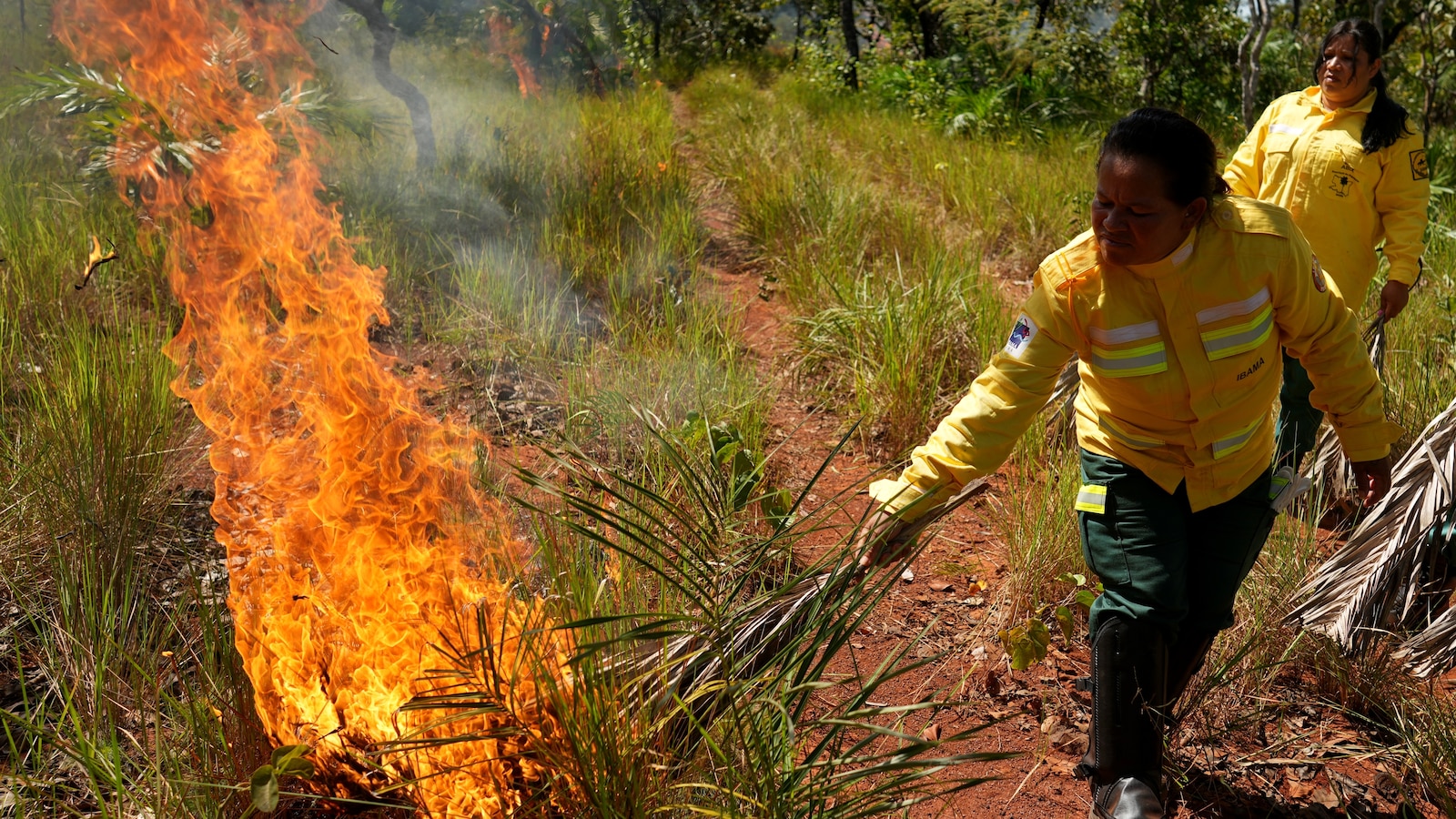
A controlled burn operation took place on the morning of Tuesday, May 19, 2026, in the Xerente Indigenous Territory near Tocantinia in Tocantins state, Brazil. The effort was planned by the Xerente in coordination with environmental officials to reduce flammable material before the peak dry months of August and September.
A joint brigade of IBAMA, Brazil’s environmental protection agency, and trained Indigenous people moved into the savanna.
Part of the team ignited fires on the ground using drip torches or dry palm leaves. A smaller group dropped incendiary spheres from a government helicopter onto target-mapped areas. Crews intervened immediately if any fire threatened to spread beyond planned limits.
The operation produced a patchwork of burned areas across the savanna intended to protect villages, headwaters and sensitive sites during the coming dry season. About 30 Indigenous people formed two parallel lines at a wood-and-thatch tent used as the people’s association headquarters when official vehicles arrived.
One line wore bright yellow shirts, green pants and protective boots; the other stood mostly shirtless with traditional painted patterns, some in shoes and others in flip-flops.
Chief Lazaro Xerente, 68, the eldest leader of his people, waited at the end of the corridor, shirtless with torso painted and wearing a feathered headdress. ” Teams first gathered around a long wooden table inside the tent to map the day’s burns, combining satellite data with Indigenous knowledge of the territory.
Some Xerente participants were hired by the government for two-year terms and receive training and a monthly salary; others serve as volunteers.