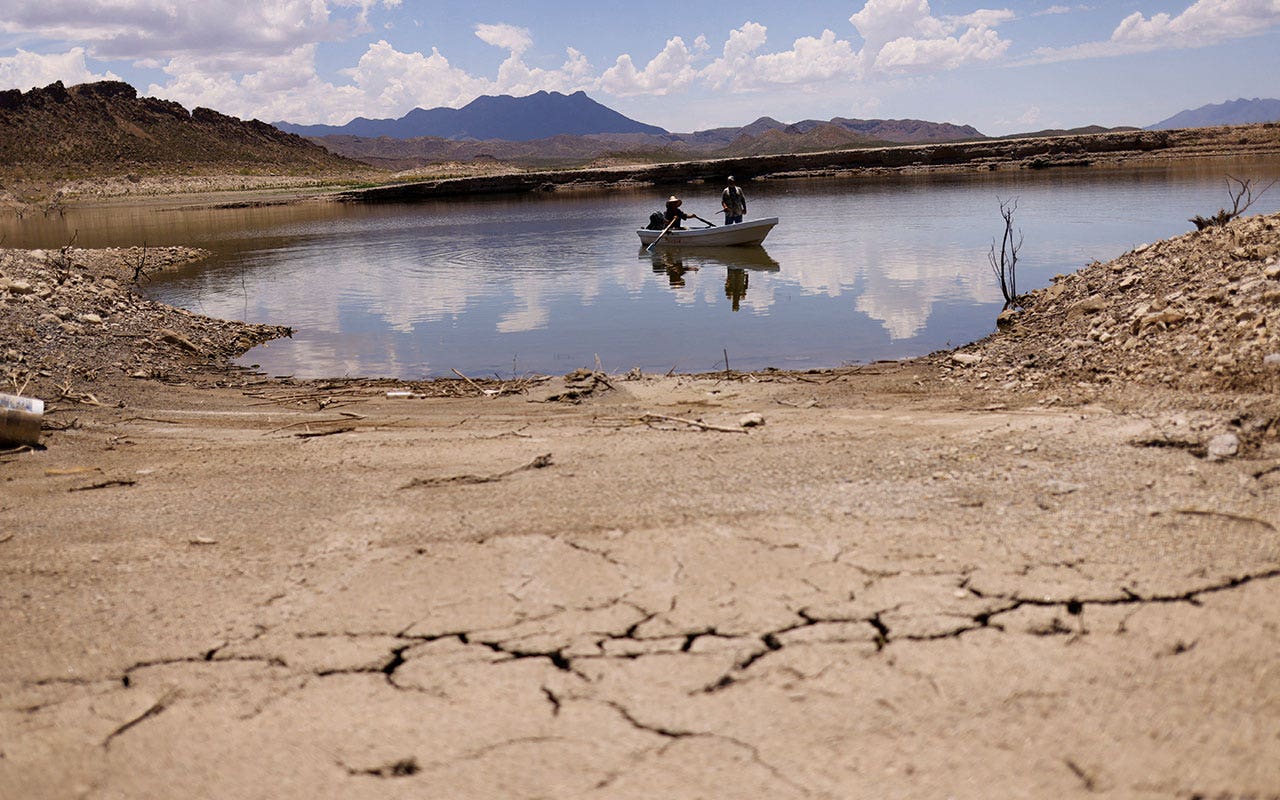
Brent Crude Tops $111 and WTI Exceeds $105 Per Barrel in Morning Trading
Oil prices climbed on May 4 amid escalating tensions in the Strait of Hormuz, where Iran claimed to have forced a U.S. warship to turn back, a claim denied by U.S. Central Command. U.S. gasoline prices reached $4.45 per gallon, up over $1.50 since the Middle East conflict began. About 15,000 U.S. troops remain deployed in the region.
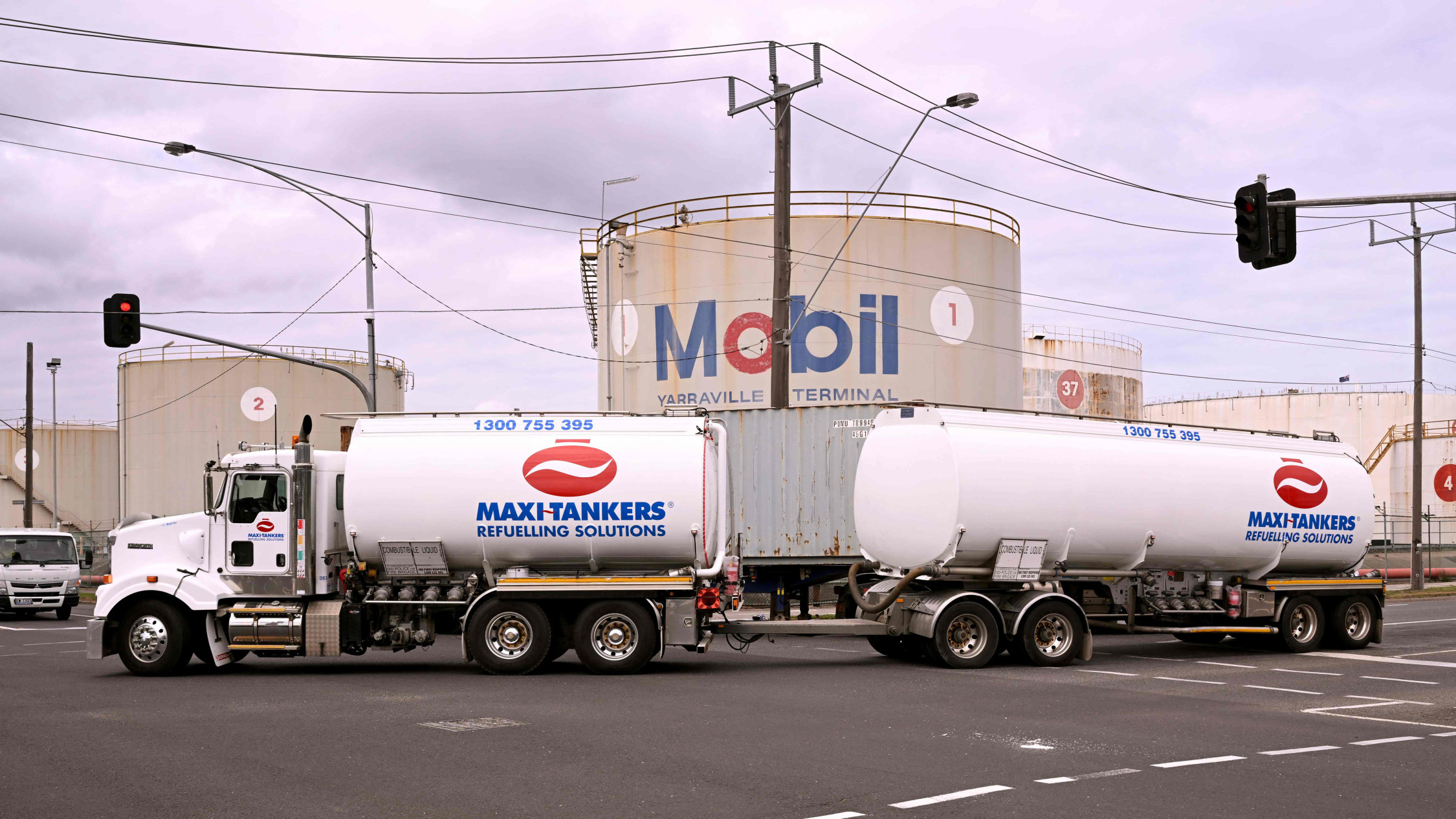
deccanchronicle.comU.S. West Texas Intermediate topping $105 per barrel in morning trading.
U.S. U.S. Central Command. ZeroHedge reported these developments amid ongoing supply uncertainty from the Middle East conflict.
U.S. U.S. naval mission in the Strait of Hormuz. S. S. troops are deployed in the region. U.S. Central Command came after Iran's claim, highlighting the elevated risks in the area.
U.S. 45 per gallon, according to American Automobile Association data. 50 per gallon since the Middle East conflict began.
ZeroHedge reported that these price surges reflect persistent disruptions in the region. Patrick De Haan, GasBuddy’s head of petroleum analysis, stated on May 4 that crude oil had jumped around $5 per barrel. He added that spot gasoline values pointed to another 10-cent rise.
These observations underscore the market's reaction to the tensions. The market saw a brief sell-off in oil prices after a related announcement, but losses were pared by May 4, according to an ING note cited by ZeroHedge. Even as vessels might leave the Persian Gulf under certain plans, inbound traffic could remain limited.
U.S. S. ships had been struck, countering Iranian reports.
Key Facts
Story Timeline
4 events- 2026-05-04
Oil prices rose with Brent above $111 and WTI above $105; Patrick De Haan stated crude jumped $5 per barrel and gasoline may rise another 10 cents; U.S. Central Command stated 15,000 troops deployed and denied Iran's warship claim.
1 sourceZeroHedge - 2026-05-04
Iran claimed it forced a U.S. warship to turn back from the Strait of Hormuz.
1 sourceZeroHedge - 2026-05-04
Iran's military threatened to target U.S. assets in response to U.S. naval mission.
1 sourceZeroHedge - Since Middle East conflict began
U.S. national average gasoline price increased more than $1.50 per gallon to $4.45.
1 sourceZeroHedge
Potential Impact
- 01
Broader economic pressure from rising energy costs in the U.S.
- 02
Further increases in U.S. gasoline prices due to sustained oil market volatility.
- 03
Potential disruptions to oil supply through Strait of Hormuz affecting global energy markets.
- 04
Escalation of U.S.-Iran military tensions in the region.
- 05
Limited inbound traffic to Persian Gulf despite naval missions.
Transparency Panel
Related Stories
EuronewsUS, Japan, and South Korea Stock Indices Reach Record Highs Despite Iran War Disruptions
Major stock indices in the United States, Japan and South Korea reached new all-time highs this week, even as the war in Iran disrupts global energy markets and shipping routes. Oil prices stand at a four-year high, with 10-12 million barrels a day disrupted in the Strait of Horm…
Sen. Tim Scott Urges Jerome Powell to Leave Fed as Chair Term Ends This Month
Sen. Tim Scott expressed hope that Federal Reserve Chair Jerome Powell will depart after his term ends in May, suggesting Powell might stay to challenge the incoming leadership. Powell plans to remain as a governor until 2028, citing concerns over threats to Fed independence. Sou…
UAE Leaves OPEC After 60 Years of Membership, Reducing Group to 11 Producers
The United Arab Emirates departed the Organization of the Petroleum Exporting Countries on Tuesday, reducing the group's membership to 11 nations. OPEC members now account for about 33% of global crude oil output. The exit occurs amid high oil prices and the ongoing closure of th…