New Scientist Reports on Chernobyl Explosion and Decontamination Challenges
A catastrophic explosion occurred at the Chernobyl site forty years ago. New Scientist has gained exclusive access to the site amid ongoing issues. Vital decontamination work has been derailed by Russia's full-scale invasion.
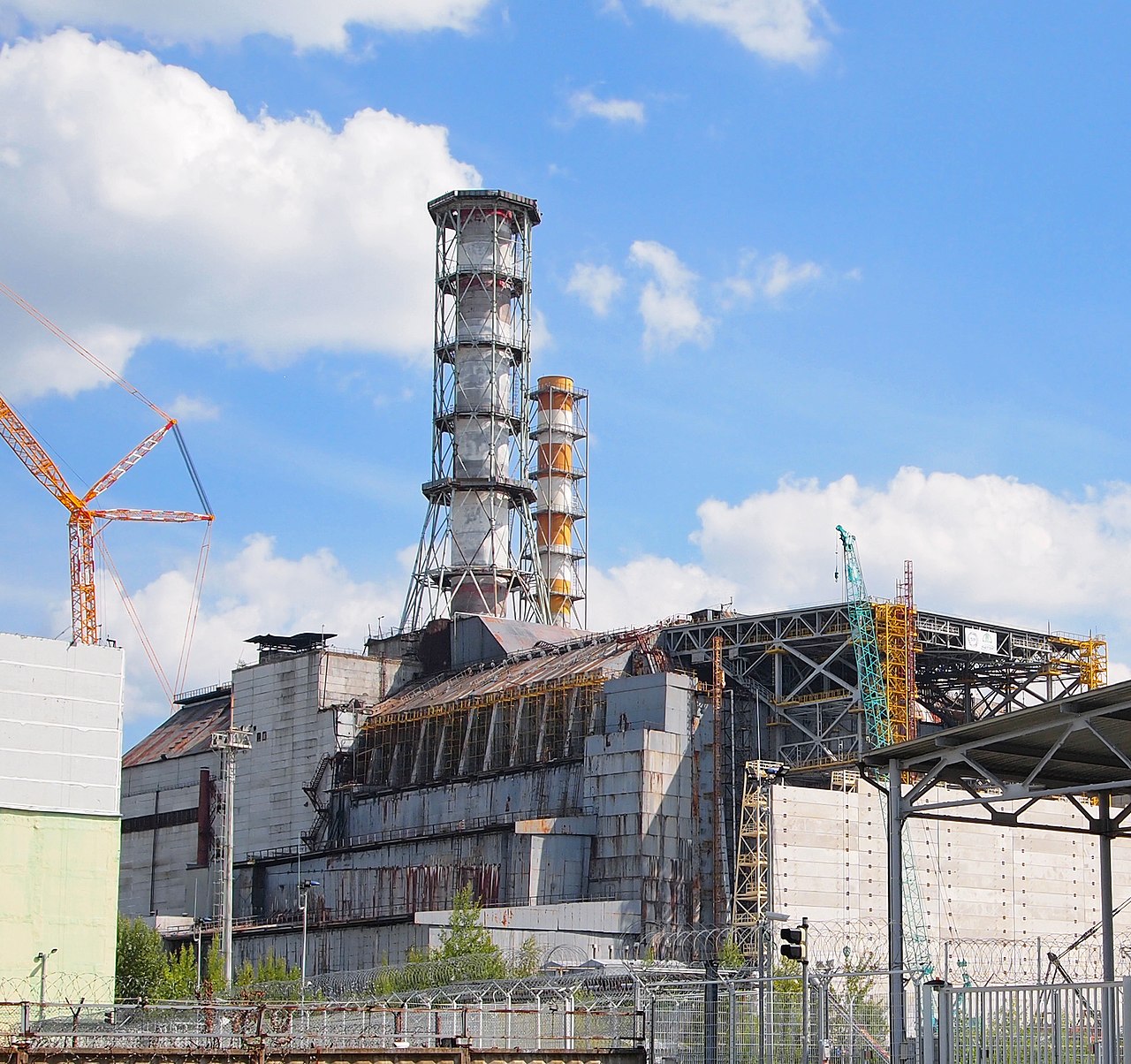 Tiia Monto / Wikimedia (CC BY-SA 3.0)
Catastrophic Explosion at Chernobyl A catastrophic explosion occurred at Chernobyl forty years ago.
The incident took place in 1986, marking a significant event in nuclear history. Details of the explosion's immediate effects remain tied to the site's legacy. New Scientist reported on the event through its exclusive access to the Chernobyl site.
This access allows for direct observation of the area's current state. The reporting highlights the explosion's enduring impact.
Exclusive Access by New Scientist New Scientist gained exclusive access to the Chernobyl site.
This access provides insights into the site's conditions four decades after the explosion. The publication's reporting stems from this on-site visit. @NewScientist reported on the site's status following the 1986 explosion.
The access underscores ongoing monitoring efforts at Chernobyl. Such reporting contributes to public understanding of the site's history.
Decontamination Efforts Derailed Vital work to decontaminate the Chernobyl site has been derailed by Russia’s full-scale invasion.
The invasion, which began in 2022, has disrupted these efforts. Decontamination remains a key priority for the site. The derailing of work follows the explosion that happened forty years ago. Russia's actions have impacted operations at Chernobyl.
@NewScientist reported on these challenges through its exclusive access.
Background on the 1986 Incident The catastrophic explosion at Chernobyl occurred on April 26, 1986.
This event led to widespread radioactive release from the nuclear power plant. The site's exclusion zone was established in response. Forty years later, the explosion's consequences persist. New Scientist's access reveals the long-term effects on the environment.
Decontamination initiatives aim to address these ongoing issues.
Impact of Recent Geopolitical Events Russia’s full-scale invasion has derailed vital decontamination work at Chernobyl.
The invasion started on February 24, 2022, affecting regional stability. This has directly hindered site management. @NewScientist reported on how the invasion impacts the Chernobyl site. Exclusive access highlights the intersection of historical disaster and current conflict.
Efforts to restore decontamination continue despite setbacks.
Story Timeline
3 events- 2022-02-24
Russia’s full-scale invasion begins, derailing decontamination work at Chernobyl.
1 sourceunattributed - 2026 (approx.)
New Scientist gains exclusive access to the Chernobyl site.
1 sourceNew Scientist - 1986-04-26
Catastrophic explosion occurs at Chernobyl, forty years prior to current reporting.
1 sourceunattributed
Potential Impact
- 01
Disrupted decontamination efforts prolong radioactive contamination risks at the site.
- 02
Geopolitical tensions from invasion hinder international cooperation on site management.
- 03
Exclusive reporting by New Scientist increases public awareness of ongoing challenges.
Multi-source corroboration verifies facts, not framing. This panel scores the Substrate rewrite you just read (top score) and the raw source bundle it came from. A positive delta means the rewrite stripped framing from the sources; a negative or zero delta means our neutralizer let some through.
Russia's invasion has inadvertently heightened global focus on Chernobyl's decontamination, potentially accelerating international funding and support for the site's long-term safety.
- Lede misdirectionnotable“TITLE: New Scientist Reports on Chernobyl Explosion and Decontamination Challenges”Leads with reporter's access instead of core eventsThe headline leads with who shared, posted, or reacted to the event rather than the substantive event itself — burying the actual news behind the messenger.
- Loaded metaphorminor“Decontamination Efforts Derailed”Derailed implies forceful negative disruptionSources share the same narrative framing verbs (“sow doubt”, “spark backlash”) — a sign of a shared template, not independent reporting.
Transparency Panel
Related Stories
 NASA Johnson Space Center / Wikimedia (Public domain)
NASA's Artemis II Completes First Manned Moon Mission Since 1972, Sets Distance Record
NASA's Artemis II mission completed a flight around the moon and splashed down in the Pacific Ocean on Saturday. The mission marks the first manned moon mission since 1972 and set a record for the furthest humans have travelled into space at 252,756 miles (406,771km). Meanwhile,…
 Science News
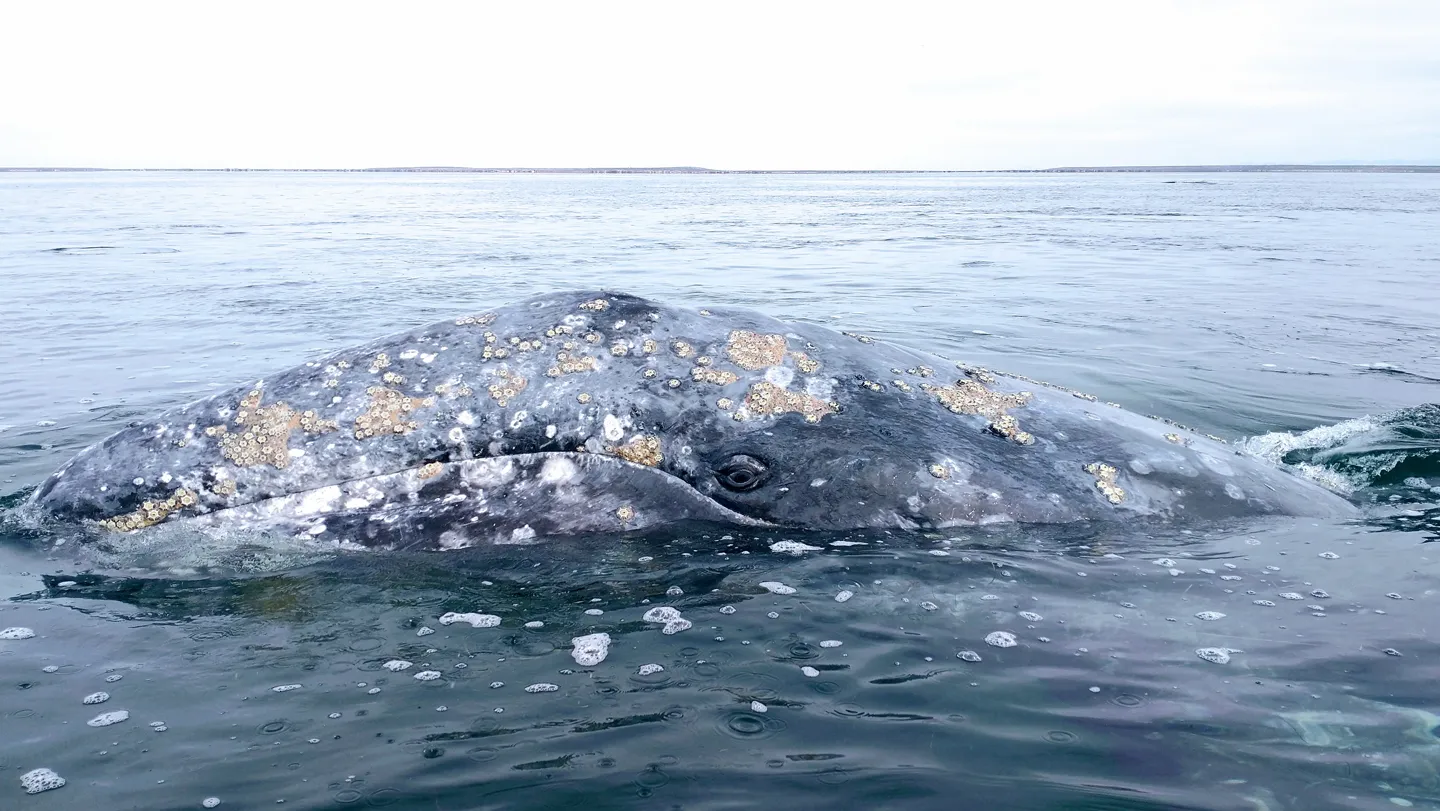
Nearly 1 in 5 Gray Whales Entering San Francisco Bay Die There, Study Finds
Researchers report that approximately 18 percent of photo-identified gray whales visiting San Francisco Bay from 2018 to 2025 died after entering the area. The deaths, often from vessel strikes, coincide with a population decline linked to reduced Arctic food availability. The fi…
 Stat
StatSpyre Therapeutics' SPY001 Drug Meets Primary Goal in Phase 2 Ulcerative Colitis Trial
Spyre Therapeutics announced positive results from the first batch of data in its Phase 2 SKYLINE study for SPY001, an experimental treatment for ulcerative colitis. The drug achieved a 9.2-point decrease in disease activity and induced remission in about 40% of participants afte…