Cambrian Fossils With Preserved Soft Tissues Place Bryozoa in the Early Cambrian and Indicate Even Earlier Stem Origins
@Nature reported that phosphatized soft tissues in fossils from China place bryozoans among animals present at the Cambrian explosion.
 kottke.org
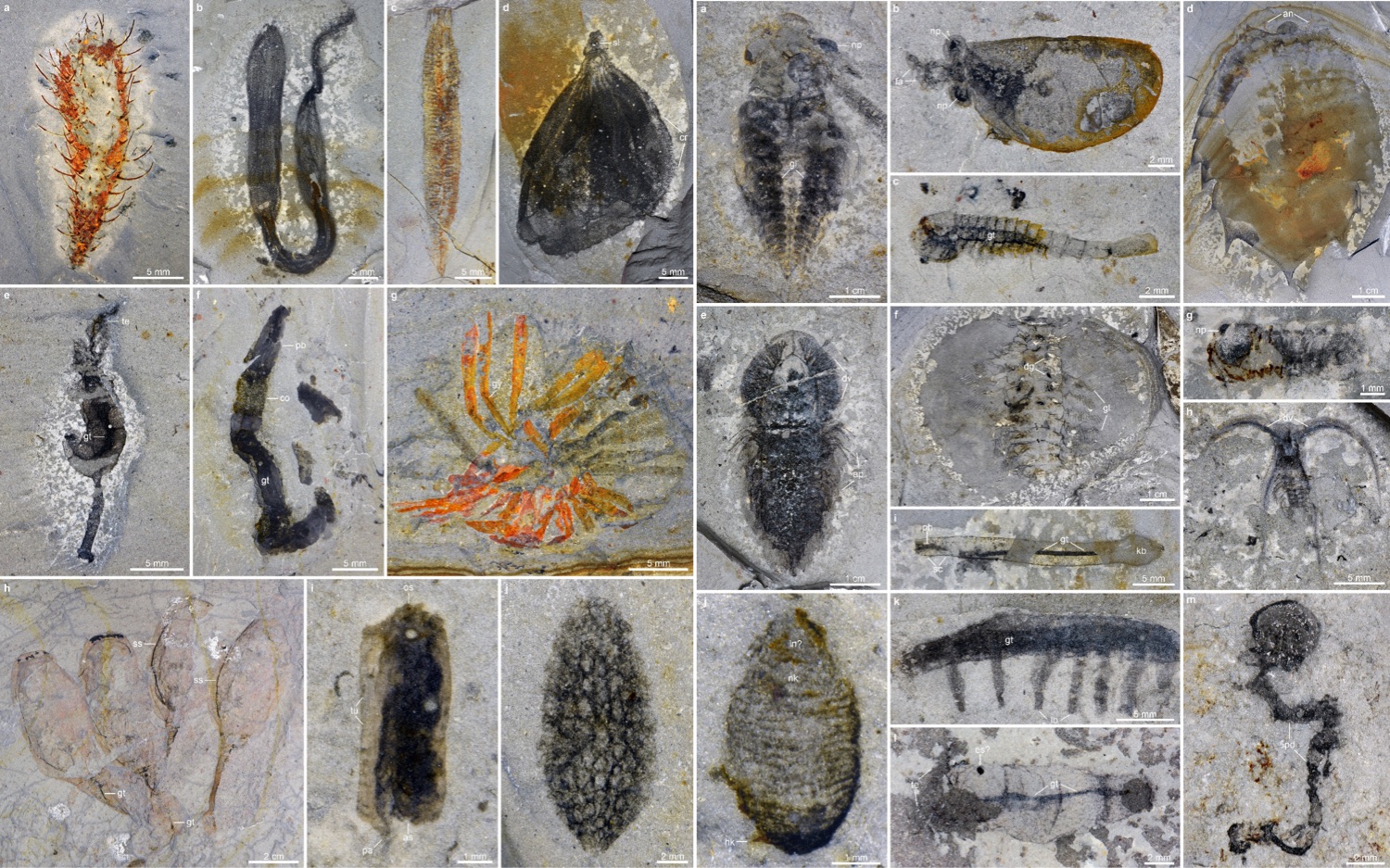
Exquisite fossils of Protomelission gatehousei and a newly described taxon, Dayingomelission hexaclitia gen. et sp. , preserve in situ phosphatized soft tissues inside modular skeletons from the early Cambrian Xiannüdong Formation of China.
The preserved anatomical structures include styles, annular muscles, membranous sacs and ring septa. These features supply definitive evidence that both taxa belong to the Bryozoa. Phylogenetic analysis that incorporates the new anatomical characters places the fossils within crown group stenolaemates.
The placement confirms a Cambrian origin for the entire phylum. The same fossils display an unexpected early disparity in colonial architecture. Bryozoan diversification therefore formed an integral component of the Cambrian radiation.
The early appearance of a differentiated stenolaemate crown group also indicates a still deeper origin for the bryozoan stem lineage than earlier work suggested. Protomelission gatehousei had been discovered and reported in a prior study. The current paper, titled 'High-fidelity modular skeletons authenticate a Cambrian origin for Bryozoa,' was published in the journal Nature.
An earlier article, 'Fossil evidence unveils an early Cambrian origin for Bryozoa,' appeared open access on 27 October 2021. The new study cites references 1 through 9 that address Cambrian origins, molecular clocks and phylogenetic debates.