Substrate
world

Cargo Workers and CU Logistics Affiliate Reach Collective Agreement After 10-Day Blockade

Unionized cargo workers and BGF Logis, the logistics affiliate of convenience store chain CU, signed a collective agreement on April 30, 2026, ending a 10-day blockade of key logistics centers. The deal raises freight rates by 7 percent and improves working conditions, following a fatal accident that escalated tensions.
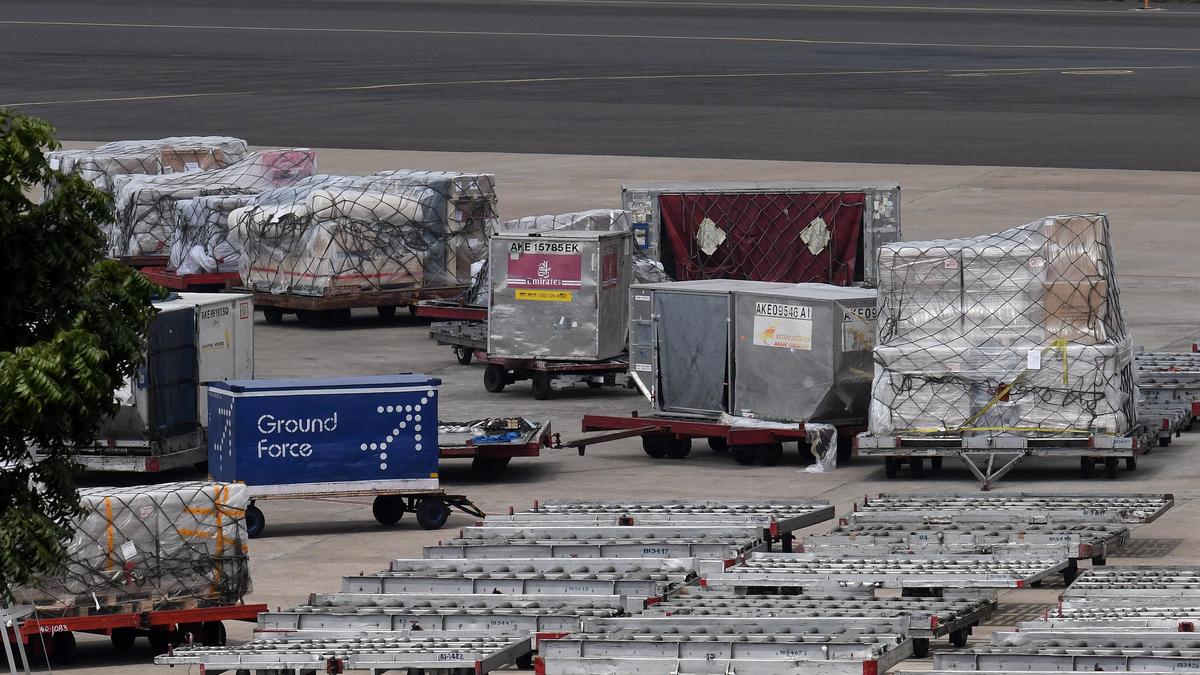
Yonhap
1 source·Apr 30, 7:07 AM(5 days ago)·1m read
Cargo Workers and CU Logistics Affiliate Reach Collective Agreement After 10-Day Blockadethehindu.com
Audio version
Tap play to generate a narrated version.
Developing·Limited corroboration so far. This page will refresh as more sources emerge.

Unionized cargo workers and the logistics affiliate of convenience store chain CU signed a collective agreement on April 30, 2026, ending a 10-day blockade of the chain's key logistics centers, Yonhap reported. Cargo Truckers Solidarity, an affiliate of the Korean Confederation of Trade Unions, and BGF Logis sealed the agreement in a signing ceremony at the labor ministry's branch office in Jinju, a southeastern city 290 kilometers from Seoul.

The deal raises freight rates and improves working conditions for cargo workers.

Kim Dong-kuk, leader of Cargo Truckers Solidarity, and Lee Min-jae, CEO of BGF Logis, shook hands after signing the collective agreement at the labor ministry's branch in Jinju on April 30, 2026. The agreement increases transportation fees by 7 percent and guarantees paid leave once a quarter to truck drivers.

The conflict escalated after a fatal accident on April 20, 2026, when a union member in his 50s was killed by a non-union truck in front of the CU logistics center in Jinju.

The signing ceremony was originally scheduled for April 29, 2026, but was postponed by one day because both parties failed to agree on measures to restore the honor of the deceased union member. Cargo Truckers Solidarity stated that it views management's recognition of their bargaining autonomy and union status as the agreement's greatest achievement.

The two sides agreed to guarantee the basic labor rights of cargo workers by regularizing collective bargaining and withdrawing disadvantages resulting from strikes.

The agreement followed the recent enactment of the yellow envelope act, which made prime contractors more accountable for subcontracted workers and restricted businesses from claiming damages from striking workers. Higher-level logistics firms previously avoided direct talks with truck owners due to a multilayered outsourcing structure, according to details in the Yonhap report.

Key Facts

Agreement signed ending blockade
Unionized cargo workers and BGF Logis signed a collective agreement on April 30, 2026, ending a 10-day blockade and raising freight rates by 7 percent.
Fatal accident triggered conflict
A union member in his 50s was killed by a non-union truck on April 20, 2026, in front of the CU logistics center in Jinju.
Key achievements in agreement
Agreement guarantees bargaining autonomy, regularizes collective bargaining, withdraws strike disadvantages, and provides quarterly paid leave.
Yellow envelope act context
The agreement follows the yellow envelope act, which increases accountability for prime contractors and restricts damage claims from strikes.

Story Timeline

5 events
  1. 2026-04-30

    Unionized cargo workers and BGF Logis signed a collective agreement, ending the 10-day blockade.

    1 sourceYonhap
  2. 2026-04-30

    Kim Dong-kuk and Lee Min-jae shook hands after signing at the labor ministry's branch in Jinju.

    1 sourceYonhap
  3. 2026-04-29

    Signing ceremony originally scheduled but postponed due to disagreement on honoring the deceased union member.

    1 sourceYonhap
  4. 2026-04-20

    Fatal accident occurred where a union member was killed by a non-union truck in front of the CU logistics center in Jinju.

    1 sourceYonhap
  5. Recent (prior to 2026-04-30)

    Enactment of the yellow envelope act, making prime contractors more accountable and restricting damage claims from strikes.

    1 sourceYonhap

Potential Impact

  1. 01

    Resumption of normal operations at CU logistics centers, reducing supply chain disruptions.

  2. 02

    Increased transportation fees by 7 percent, affecting costs for CU and possibly consumer prices.

  3. 03

    Strengthened union bargaining power following recognition of autonomy and status.

  4. 04

    Improved working conditions for cargo workers, potentially setting precedent for other logistics firms.

Transparency Panel

Sources cross-referenced1
Framing risk15/100 (low)
Confidence score65%
Synthesized bySubstrate AI
Word count293 words
PublishedApr 30, 2026, 7:07 AM
Bias signals removed2 across 2 outlets
Signal Breakdown
Loaded 1Framing 1

Related Stories

Trump Pauses US Operation in Strait of Hormuz to Advance Iran Deal TalksTrump White House Archived from Washington, DC / Wikimedia (Public domain)
world1 hr ago

Trump Pauses US Operation in Strait of Hormuz to Advance Iran Deal Talks

President Trump announced a temporary pause to Project Freedom, the U.S. effort to guide ships through the Strait of Hormuz, citing progress toward a settlement with Iran. The blockade on Iranian ports remains in effect, while Secretary of State Marco Rubio stated that the offens…

The Guardian
Al Jazeera
DE
UN
NE
+87
92 sources
Tom Homan Discusses Minneapolis Immigration Enforcement After Shootinginquisitr.com
world1 hr agoDeveloping

Tom Homan Discusses Minneapolis Immigration Enforcement After Shooting

Tom Homan, White House Border Czar, stated that mass deportations can proceed in a smarter way. He acknowledged imperfections in the Minneapolis immigration crackdown following a deadly shooting. Homan highlighted efforts to address and fix issues after President Trump sent him t…

DI
Cbs News
2 sources
Canadian House Committee Hears Testimony on EV Import Deal with ChinaOffice of David Schweikert, US Congress / Wikimedia (Public domain)
world1 hr agoFraming55Framing risk55/100Rewrite foregrounds risks and criticisms in lede, burying benefits and deal details, creating a negative valence skew on the EV import policy.Click to jump to full framing analysis

Canadian House Committee Hears Testimony on EV Import Deal with China

Industry experts and policy leaders testified before a Canadian parliamentary committee on the economic and security risks posed by a new trade agreement permitting low-tariff imports of Chinese electric vehicles. The deal, signed in January 2026, reduces tariffs and sets import…

ZE
ABC News
zerohedge.com
3 sources