Substrate
finance

Central Banks Hold Rates; Oil Prices Rise in Iran Conflict

The Bank of England and European Central Bank maintained their key interest rates unchanged as the ongoing U.S.-Iran standoff drives oil prices to multi-year highs and raises inflation concerns. Oil benchmarks surged, with Brent exceeding $122 per barrel and WTI topping $105, amid fears of prolonged disruptions in the Strait of Hormuz. U.S.

cnbc.com
NE
FI
KO
SE
JK
+13
19 sources·Apr 30, 3:49 PM(5 days ago)·3m read
|
Central Banks Hold Rates; Oil Prices Rise in Iran Conflictibtimes.co.uk
Audio version
Tap play to generate a narrated version.

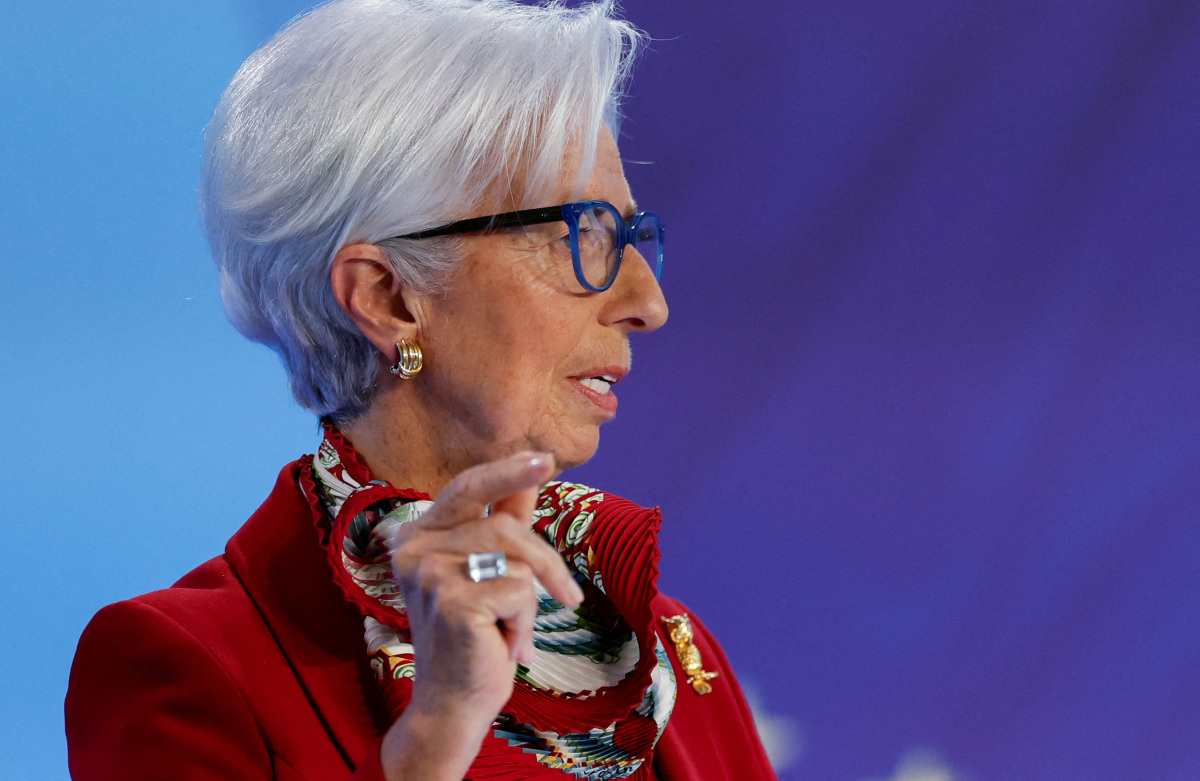
Central banks in Europe and the U.K. held interest rates steady on Thursday, citing uncertainty from the Iran war and surging energy prices. The Bank of England kept its main rate at 3.75%, while the European Central Bank maintained its deposit rate at 2%.

Oil prices reached new highs, with Brent crude surpassing $122 per barrel and WTI exceeding $105, driven by the U.S. naval blockade of Iran and the closure of the Strait of Hormuz. Multiple sources reported that the blockade aims to pressure Iran on its nuclear program, with no immediate signs of resolution.

Iran could run out of oil storage capacity within weeks, according to Western intelligence cited in the Jerusalem Post. President Trump stated that the blockade will continue until Tehran abandons its nuclear ambitions.

England's decision followed a vote to hold rates, as policymakers assess the economic fallout from the Middle East conflict, through which a fifth of global crude oil passes. A Bank of England official said the sheer volatility of energy prices makes it impossible to assign probabilities to different scenarios.

The ECB's statement highlighted intensified upside risks to inflation and downside risks to growth, noting that the war has led to a sharp increase in energy prices.

The upside risks to inflation and the downside risks to growth have intensified." — ECB Governing Council statement (ZeroHedge). Euro zone first-quarter GDP grew by 0.1%, below expectations, while headline inflation surged above 3% in April due to energy costs. The ECB reiterated a data-dependent approach, with no pre-commitment to future rate paths. Markets are pricing in three quarter-point hikes by year-end. rates at 3.50-3.75% on Wednesday, with an 8-4 vote and dissents on the statement's easing bias. The statement shifted language on inflation from "remains somewhat elevated" to "elevated" amid energy price surges. A Fed official stated that the policy stance is appropriate and not on a pre-set course.

Oil prices spiked overnight, rebounding to levels not seen in four years, as expectations for a durable settlement faded. The Strait of Hormuz remains effectively closed, interrupting exports from the Persian Gulf. Global fuel shortages are expected to worsen over the summer, with stocks of crude and refined fuels depleting rapidly.

One source compared the situation to the 1973/74 Arab oil embargo, where full impacts took three to six months to materialize, leading to economic contraction. Iran's parliament speaker called for national unity against the U.S. blockade, which he said seeks to cause internal collapse.

Western intelligence estimates suggest Iran may exhaust storage for its produced oil within two weeks.

U.S. officials are set to brief President Trump on plans for potential military action in Iran, including short strikes targeting infrastructure to address the nuclear deadlock. Axios reported this briefing is scheduled for Thursday.

Iran may run out of oil storage within weeks under the US blockade pressure." — Jerusalem Post. Fears of stagflation are growing in Europe, with the ECB likely to raise rates in June unless energy prices ease and the war ends. Bloomberg reported a very small chance of avoiding hikes if the conflict persists. Corporate earnings provided some counterpoints, with Amazon, Meta, Alphabet, and Microsoft all beating EPS and revenue estimates, though stock reactions were mixed: Amazon up 2.7%, Meta down 7.0%, Alphabet up 7.1%, and Microsoft up 0.3%. Caterpillar reported third-quarter EPS of $5.54 and revenue of $17.4 billion, both above estimates, with shares rising 4.7%. Upcoming data includes U.S. PCE price index, GDP growth, and jobless claims, alongside speeches from central bank officials. The situation remains fluid, with central banks emphasizing resilience but warning of prolonged impacts if the conflict continues.

Key Facts

3.75%
Bank of England key rate held unchanged
2%
ECB deposit rate maintained amid war risks
$122
Brent crude price per barrel high
0.1%
Euro zone Q1 GDP growth
3%
Euro area April inflation rate

Story Timeline

6 events
  1. Today — May 2, 2026

    Oil prices continued to rise, with Brent above $122 and WTI over $105 amid ongoing U.S.-Iran blockade.

    5 sourcessentdefender · The Guardian · The New York Times · JKempEnergy
  2. Apr 30, 2026

    ECB held rates at 2%, citing intensified risks from Iran war and energy prices.

    3 sourcesZeroHedge · business · KobeissiLetter
  3. Apr 30, 2026

    Bank of England held rates at 3.75% due to Iran war uncertainty.

    4 sourcescnbc.com · AP · BBCBreaking · BBC News
  4. Apr 29, 2026

    FOMC held U.S. rates at 3.50-3.75%, updating inflation language amid energy surges.

    1 sourceNewsquawk
  5. Recent weeks

    Iran's oil storage nearing capacity under U.S. blockade pressure.

    3 sourcesfinancialjuice · Jerusalem_Post · The Washington Post
  6. Ongoing

    U.S. naval blockade of Iran persists, targeting nuclear program deadlock.

    6 sourcesThe New York Times · The War Zone · zerohedge · AP

Potential Impact

  1. 01

    ECB will raise rates in June if Iran war continues, per Bloomberg.

  2. 02

    Global fuel shortages will intensify over summer, depleting stocks.

  3. 03

    U.S. military strikes on Iran infrastructure become more likely.

  4. 04

    Euro zone stagflation risks will grow with persistent high energy prices.

  5. 05

    Oil-importing countries will face economic contraction similar to 1973 embargo.

  6. 06

    Central banks will adopt meeting-by-meeting rate adjustments.

Transparency Panel

Sources cross-referenced19
Framing risk42/100 (moderate)
Confidence score65%
Synthesized bySubstrate AI
Word count621 words
PublishedApr 30, 2026, 3:49 PM
Bias signals removed5 across 4 outlets
Signal Breakdown
Loaded 2Speculative 1Amplifying 1Framing 1

Related Stories

Oil Prices Drop After Reports of U.S.-Iran Talks on Ending War and Reopening Strait of HormuzJashuah / Wikimedia (CC BY-SA 3.0)
finance52 min ago

Oil Prices Drop After Reports of U.S.-Iran Talks on Ending War and Reopening Strait of Hormuz

Oil prices dropped significantly following reports that the U.S. and Iran are close to a memorandum of understanding to halt fighting and begin nuclear talks. President Trump announced a pause in the U.S. naval escort operation in the Strait of Hormuz. Iran is expected to respond…

cnbc.com
DE
UN
3 sources
FDA Withdraws Studies Supporting Safety of COVID and Shingles VaccinesThe U.S. Food and Drug Administration / Wikimedia (Public domain)
finance52 min ago

FDA Withdraws Studies Supporting Safety of COVID and Shingles Vaccines

The U.S. Food and Drug Administration blocked the publication of research finding rare side effects from COVID and shingles vaccines. The studies were withdrawn due to broad conclusions not supported by data, amid broader efforts by the Trump administration to challenge vaccine r…

cnbc.com
The New York Times
Forbes
3 sources
finance2 hrs ago

UAE Leaves OPEC After 60 Years of Membership, Reducing Group to 11 Producers

The United Arab Emirates departed the Organization of the Petroleum Exporting Countries on Tuesday, reducing the group's membership to 11 nations. OPEC members now account for about 33% of global crude oil output. The exit occurs amid high oil prices and the ongoing closure of th…

BBC News
The Guardian
OilPrice.com
3 sources