Substrate
politics

China Pursues Long-Term Strategy Toward Taiwan Without Near-Term Military Action

Analysts Amanda Hsiao and Bonnie S. Glaser wrote in Foreign Affairs that Beijing believes time favors its goal of unification with Taiwan and is pursuing a long-term approach. China is developing capabilities to deter U.S. intervention while preventing formal Taiwanese independence.

FO
1 source·May 9, 7:44 PM(19 days ago)·2m read
China Pursues Long-Term Strategy Toward Taiwan Without Near-Term Military Actionfocustaiwan.tw
Audio version
Tap play to generate a narrated version.

Beijing is pursuing a long-term strategy toward Taiwan that prioritizes achieving unification at the lowest possible cost, according to an article published May 8, 2026, in Foreign Affairs. Amanda Hsiao and Bonnie S. U.S. intervention. The authors stated that Beijing is confident it can compel Taiwan toward unification without a full-scale invasion while preventing any move toward formal independence.

China has not ruled out the use of force. The article said Beijing would consider military action including a blockade or invasion if Taiwan declares independence, if the United States grants Taiwan official diplomatic recognition, or if leaders conclude no non-military path to unification remains.

For now, however, Chinese officials see their strategy as effective and military action as unnecessary in the near term.

Polls show decreasing support for independence among Taiwan's youth, the authors reported. In April, Cheng Li-wun, chair of Taiwan's opposition Kuomintang, met with Chinese leader Xi Jinping in Beijing. She reaffirmed her party's opposition to independence and support for the 1992 Consensus, which holds that both sides of the strait belong to one China.

Beijing's approach will face a test in 2028 with presidential elections in both Taiwan and the United States. If Taiwan reelects its current president and Beijing judges that he is advancing steps toward formal independence, China could apply sharper pressure.

Such measures could include sending ships and aircraft into Taiwan's territorial waters and airspace or imposing a quarantine around the island.

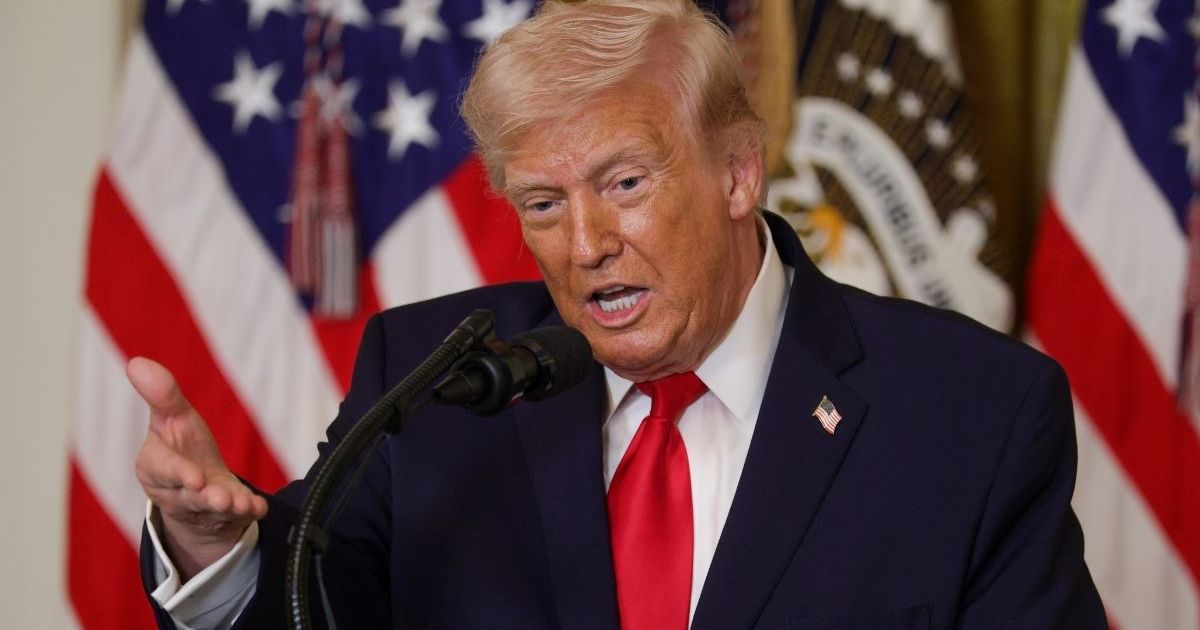
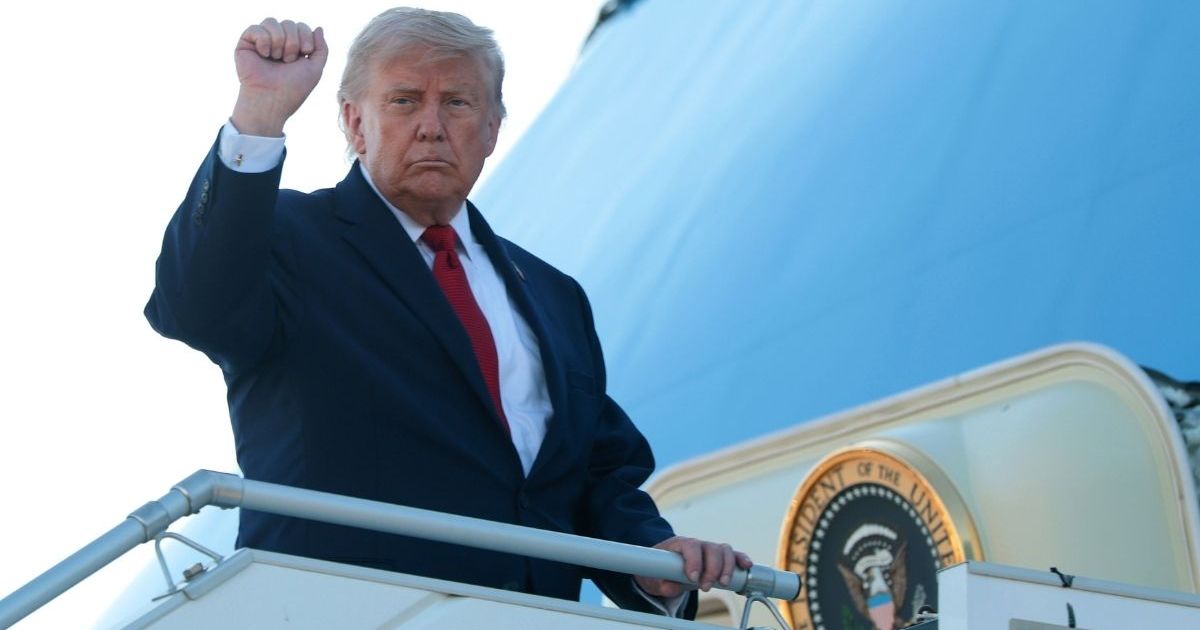
The strategy rests on the view that the balance of power is shifting in China's favor relative to the United States. U.S. economic and technological pressure. The article noted that China successfully responded to the Trump administration's 2025 trade war with reciprocal tariffs and restrictions on rare-earth exports, moves it assessed led Washington to back down.
U.S. systems at lower cost. At the same time, the most recent five-year plan acknowledges risks in the Chinese economy, including local government debt, deflation, a property market crisis and slowing productivity growth. U.S. leverage. Chinese leaders remain wary of the costs of premature conflict.

Xi Jinping's purges have removed about half of his top military commanders, likely slowing military modernization and operational planning. A major conflict with the United States could bring economic losses measured in trillions of dollars, domestic instability and international isolation.

As long as Beijing believes its long-term position is strengthening, the authors concluded, it is likely to continue exercising patience.

Chinese leaders see patience as a winning strategy.

Key Facts

China's strategy
seeks lowest-cost unification over time
Near-term risk
of military action assessed as low
April meeting
KMT chair met Xi Jinping in Beijing
2028 elections
potential test of Beijing's patience
Military purges
removed about half of top PLA commanders

Story Timeline

5 events
  1. May 8, 2026

    Foreign Affairs publishes article by Hsiao and Glaser on China's long-term Taiwan strategy.

    1 source@ForeignAffairs
  2. April 2026

    Kuomintang chair Cheng Li-wun met Xi Jinping and reaffirmed opposition to independence.

    1 source@ForeignAffairs
  3. 2025

    China responded to Trump administration trade war with reciprocal tariffs and rare-earth restrictions.

    1 source@ForeignAffairs
  4. February 2026

    Professor Liu Guoshen argued U.S. relative decline supports China's patience on Taiwan.

    1 source@ForeignAffairs
  5. 2028

    Taiwan and U.S. presidential elections expected to test Beijing's confidence in its strategy.

    1 source@ForeignAffairs

Potential Impact

  1. 01

    China's economic challenges identified in its five-year plan may slow development of capabilities for deterrence.

  2. 02

    Taiwan's 2028 presidential election outcome may prompt China to increase military pressure short of invasion.

  3. 03

    U.S. policy toward Taiwan after 2028 could influence Beijing's assessment of its long-term strategy.

Transparency Panel

Sources cross-referenced1
Confidence score75%
Synthesized bySubstrate AI
Word count419 words
PublishedMay 9, 2026, 7:44 PM
Bias signals removed3 across 2 outlets
Signal Breakdown
Framing 1Editorializing 1Amplifying 1

Related Stories

Trump Meets Advisers to Decide on Iran Ceasefire ExtensionBBC News
politics1 hr ago

Trump Meets Advisers to Decide on Iran Ceasefire Extension

President Trump said he is holding a Situation Room meeting to make a final decision on a possible deal with Iran. The proposed agreement would extend the ceasefire by 60 days and reopen the Strait of Hormuz.

Al Jazeera
JA
MA
AF
AJ
+6
11 sources
Trump to Decide on Iran Deal in Situation Room Meetingmiddleeasteye.net
politics1 hr ago

Trump to Decide on Iran Deal in Situation Room Meeting

President Trump said Friday he is heading into the Situation Room to make a final determination on a potential agreement with Iran. The proposed deal would reopen the Strait of Hormuz without tolls and require destruction of Iran's highly-enriched uranium.

LI
Just the News
CBS News
3 sources
Vietnam Clears Graves for Trump Organization Project in Hung Yen Provincebenzinga.com
politics1 hr ago

Vietnam Clears Graves for Trump Organization Project in Hung Yen Province

Farmers in Hung Yen province are exhuming family graves to make way for a $1.5 billion Trump Organization development that includes hotels, villas and a golf course. The project, approved last year, has drawn local resistance over compensation levels and relocation of remains.

The Independent
1 source