Chinese Company Developed A.I. System to Identify Political Risk Under U.S. Restrictions
New research details efforts by a Chinese firm to build predictive surveillance technology despite U.S. export limits. The study outlines technical and regulatory challenges faced during development.
The research describes how the company worked on the technology while U.S. restrictions on certain components remained in effect.
Engineers encountered repeated setbacks when attempting to obtain restricted hardware and software. The company adjusted its approach by using alternative suppliers and modifying model architectures to compensate for missing parts.
The study examined internal documents and interviews that outlined the sequence of technical decisions made during the project. Researchers noted that the final system relied on publicly available data sources combined with domestic computing resources.
Transparency
Reported by a single outlet. This score reflects source tier and factual specificity — corroboration is limited with one source.
Story details
Related Stories
 The Independent
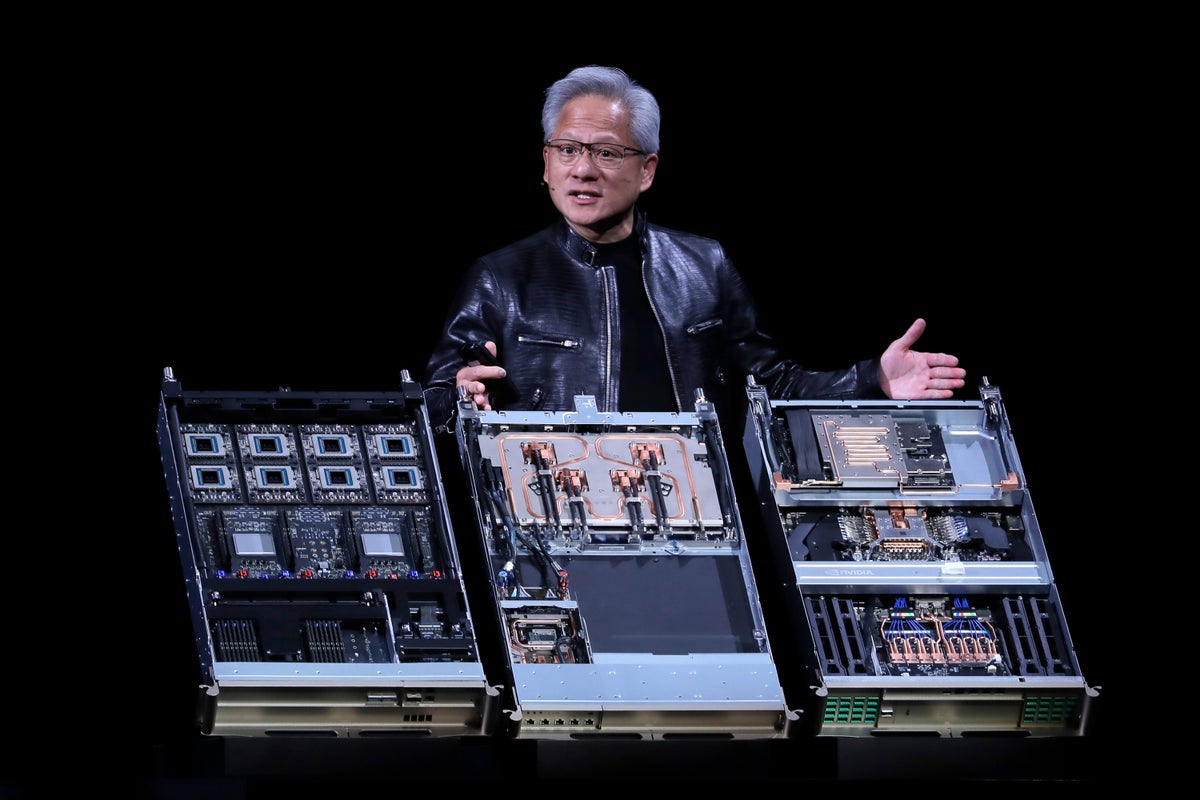
Nvidia Launches Integrated CPU-GPU Chip Aimed at Running AI Models on Personal Computers
Nvidia introduced the RTX Spark superchip on Monday to power new Windows laptops and desktops with local AI capabilities. New models from Microsoft, Dell and other brands are scheduled to reach the market in the fall.
Nvidia CEO Jensen Huang to Hold AI and Robotics Meetings with South Korean Business Leaders
Nvidia CEO Jensen Huang is scheduled to arrive in Seoul on Thursday night and begin meetings with South Korean business leaders on Friday. The discussions are expected to cover artificial intelligence and robotics cooperation.
 The Japan Times
Nvidia Launches First Integrated CPU-GPU RTX Spark Superchip for Windows Arm PCs
Nvidia introduced a new chip that combines a microprocessor and graphics processor for Windows laptops and desktops. The RTX Spark Superchip will appear in machines from multiple manufacturers this fall.