world
CIA Programs in 1960s Congo Shaped Politics for Decades, According to 2014 Analysis
A 2014 essay by Stephen Weissman examines U.S. Central Intelligence Agency activities in the Democratic Republic of Congo during the 1960s. The analysis details political interventions and paramilitary operations amid Cold War tensions. These actions influenced Congolese governance over subsequent decades.
FO
 techcentral.co.za
Audio version
Tap play to generate a narrated version.
In the 1960s, the United States Central Intelligence Agency conducted programs in the Democratic Republic of Congo that affected the country's political landscape. According to a 2014 essay by Stephen Weissman published in Foreign Affairs, these initiatives included political meddling and paramilitary actions during the Cold War era.
The essay argues that such programs had lasting effects on Congolese politics.
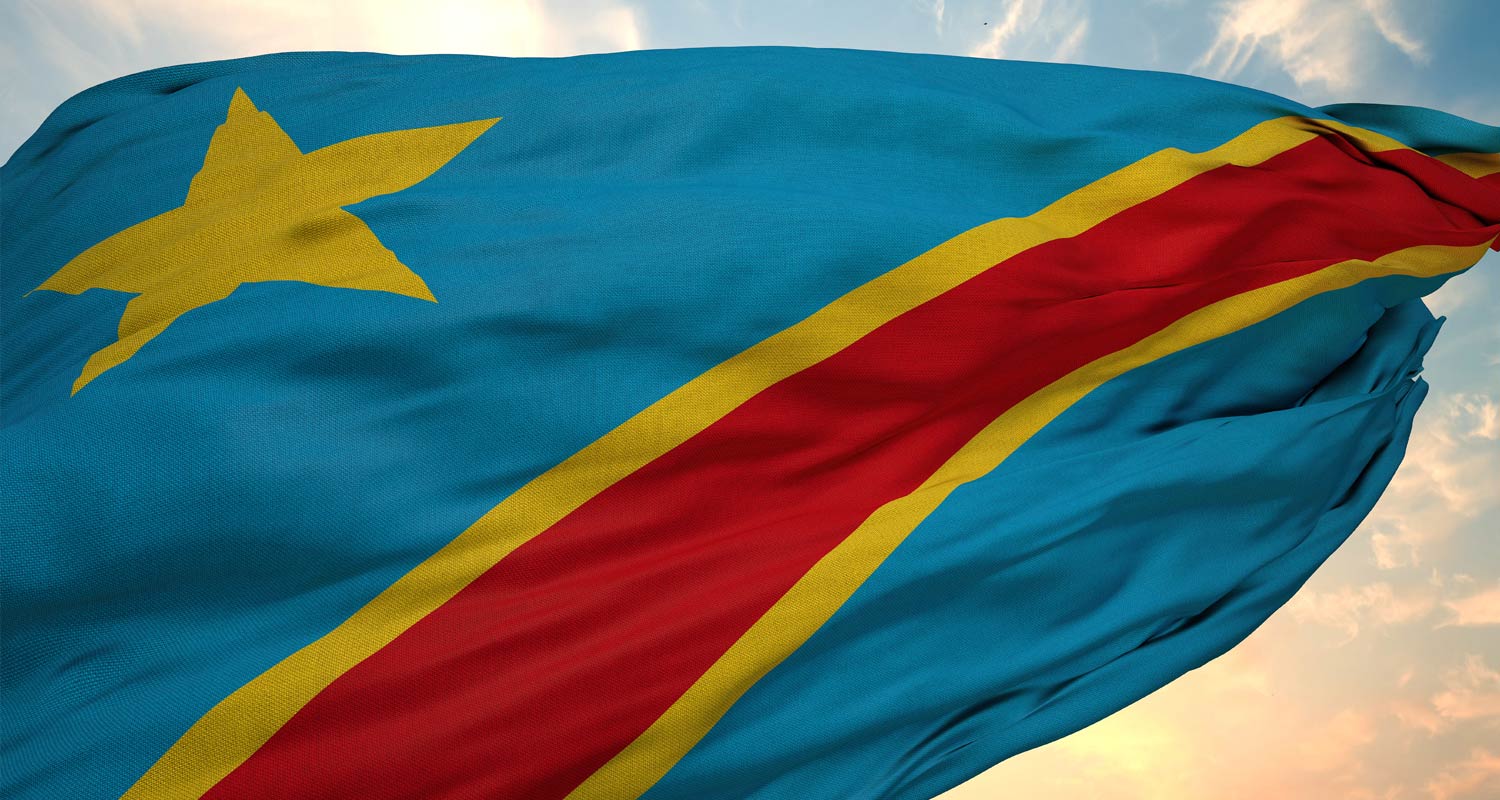
The Democratic Republic of Congo, formerly known as the Congo, gained independence from Belgium in 1960. Shortly after, the country faced internal conflicts, including the Congo Crisis, which drew international involvement. The United States, concerned with containing Soviet influence, supported certain factions through the CIA.
Weissman's essay details how CIA operations targeted political figures and supported paramilitary groups. U.S. foreign policy objectives. The programs involved funding, training, and logistical support for anti-communist elements in Congo.
The Cold War rivalry between the United States and the Soviet Union extended to Africa, with Congo becoming a focal point.
U.S. backing according to historical accounts, Joseph Mobutu rose to power with Western support. CIA activities continued through the decade, influencing elections and security operations. The essay highlights specific CIA initiatives, such as operations to counter leftist movements and secure mineral resources like uranium and cobalt, vital for global industries.
U.S. efforts to shape post-colonial governments. Weissman draws on declassified documents to outline the scope of these programs.
the CIA programs contributed to patterns of instability and authoritarian rule in Congo for decades.
Successive governments faced challenges rooted in the fragmented political structures established in the 1960s. The enduring legacy included weakened democratic institutions and reliance on external powers. -Africa relations during the Cold War.