Colonial Colleges Supported Crown During Revolution
Historical accounts show that Harvard, Yale, and other colonial colleges largely remained loyal to the British crown rather than fostering revolutionary activity when the Revolutionary War began.
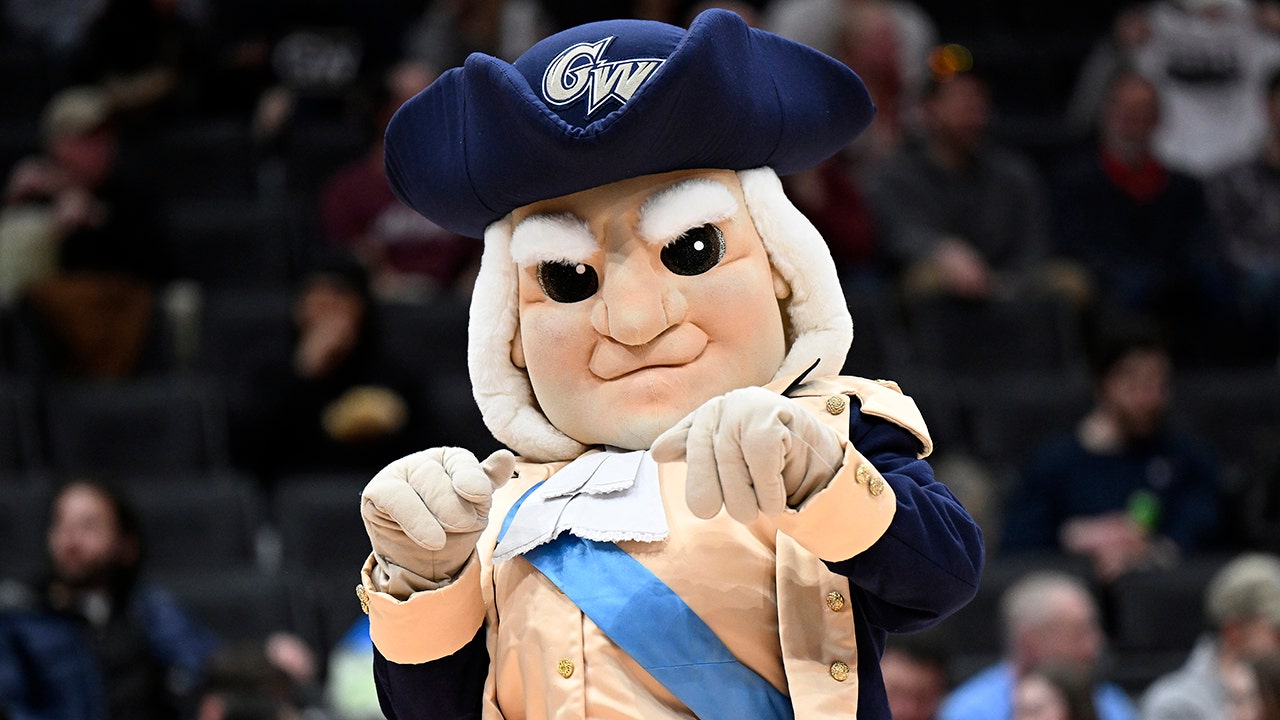 foxnews.com
Harvard, Yale, and other colonial colleges helped shape the founders. During the Revolution, however, the campuses were hardly in favor of independence. The story Americans have long told of their nation’s founding has a familiar cast and setting: young, white men in powdered wigs, alight with Enlightenment thought, pacing college greens and tavern floors, arguing their way toward independence.
In both traditional and modern retellings, the colonial colleges are portrayed as hotbeds of revolutionary fervor. It’s a compelling, dramatic narrative that largely credits these institutions with the ideas that fueled the fire of self-governance.
Some loyalist professors even decamped to England. The students, meanwhile, plodded along in their coursework—not so much in nation-building, but rather in their studies of Latin, Greek, mathematics, philosophy, and rhetoric. “The morning would be spent in recitations,” said historian Bob Allison. “They’re not getting radicalized here.”
in 1775 On a mild spring afternoon last month, in the Old Burying Ground just beyond Harvard Yard, among slate headstones worn soft by time, the Suffolk University history professor describes a very different reality of colonial student life in the late 18th century.
In the spring of 1775, weeks after the midnight rides of Paul Revere and William Dawes—the latter of whom rode through the Cambridge, Massachusetts, campus—Harvard did not erupt in rebellion. It emptied out. The Harvard Corporation had voted to send students home early for summer break.
Faculty, sensing what was to come after fighting began in April in nearby Lexington and Concord, had quietly moved the library to safer ground—north to Andover, Massachusetts, a quiet farm town at the time.
Key Facts
Story Timeline
3 events- April 1775
Fighting began in Lexington and Concord.
2 sourcesWashington Monthly · RealClearPolitics - Spring 1775
Harvard Corporation voted to send students home early.
2 sourcesWashington Monthly · RealClearPolitics - Spring 1775
Faculty moved the Harvard library to Andover, Massachusetts.
2 sourcesWashington Monthly · RealClearPolitics
Transparency Panel
Related Stories
 France 24
Russian Drone Strikes Romanian Apartment Building, Injuring Two
A Russian drone crashed into a residential building in eastern Romania during an overnight attack on Ukraine. Two people were injured and Romania requested faster NATO anti-drone support.
 realitytea.com
Trump Says U.S. Will Lift Iran Naval Blockade After Nuclear and Hormuz Pledges
President Trump stated the U.S. will end its naval blockade of Iran once Tehran commits to forgoing nuclear weapons and opens the Strait of Hormuz to unrestricted shipping. The announcement came via Truth Social and a live statement.
 dnaindia.com
Lebanese President Urges Ceasefire in Call With U.S. Secretary of State
Lebanese President Joseph Aoun spoke with U.S. Secretary of State Marco Rubio about the need for a ceasefire with Israel. Israeli and Lebanese military delegations met at the Pentagon on the same day.