Advances in AI and Computing May Enable Decoding of Animal Sounds into Human Language
Researchers are developing technologies to translate animal vocalizations using artificial intelligence and sound analysis. These efforts build on observations of animal communication patterns similar to human languages. Such devices could one day allow humans to understand pets and wildlife more directly.
 Science News
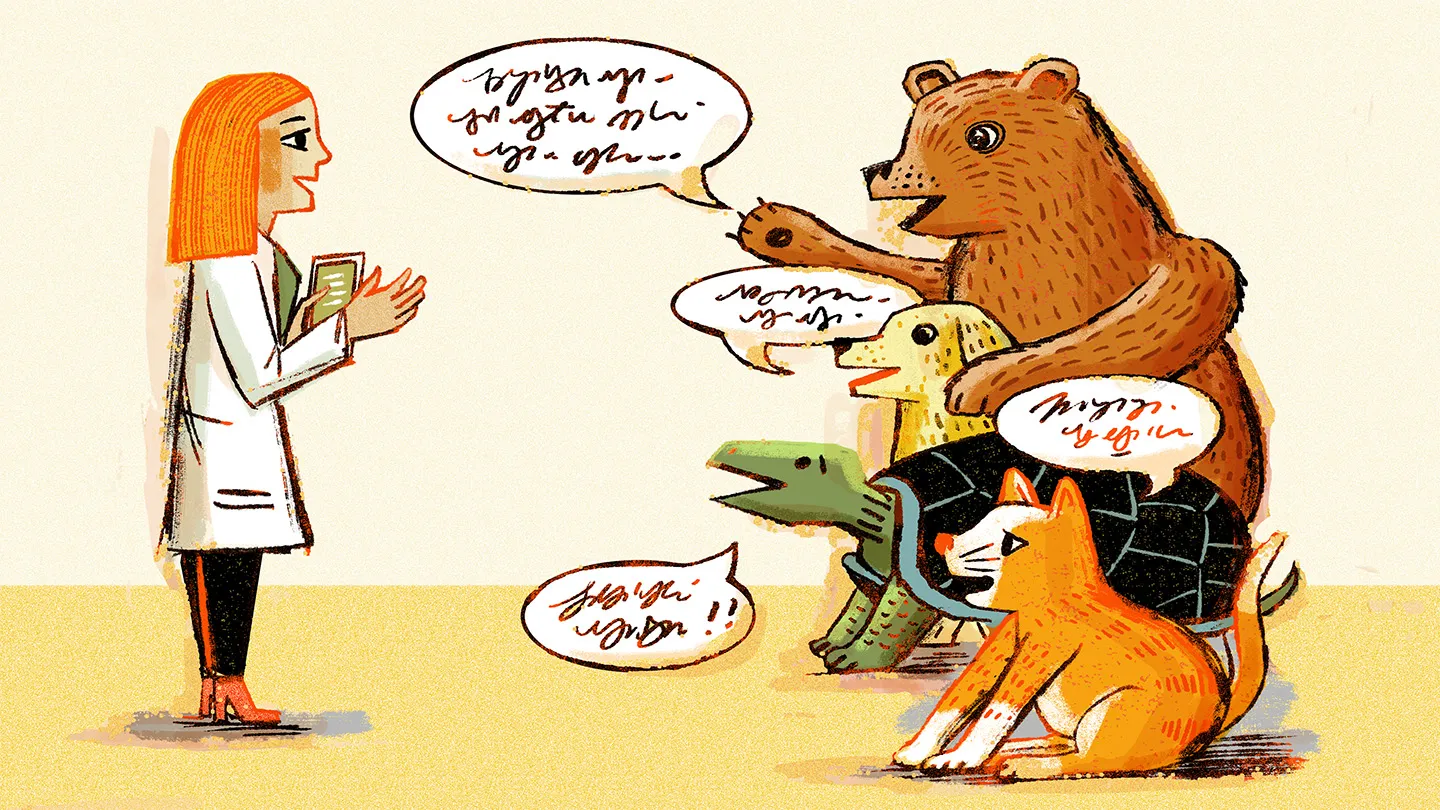
Researchers are exploring ways to decode animal sounds into human-understandable language through advances in computing power, artificial intelligence, and sound measurement techniques. These developments aim to convert animal vocalizations into interpretable information. The work draws from fictional depictions, such as electronic collars in films that translate animal thoughts.
In reality, pet owners often wonder about the meaning behind animal behaviors and sounds. Scientists note that while full translation remains challenging, progress in AI could bridge this gap. For instance, certain animals already demonstrate limited communication abilities with humans.
A neuroscientist at Rockefeller University in New York City recounted a parrot that left its home in California and returned years later speaking Spanish. Such cases highlight rare instances of animals adopting human-like language skills. However, these abilities require specific mental and physiological traits found in fewer than 1 percent of vertebrate species, according to a neuroscientist at New York University.
Animal Communication Patterns Animals communicate in diverse ways beyond vocalizations.
Dolphins and whales show potential for interaction, as demonstrated in 2023 when scientists exchanged signals with an Alaskan humpback whale. The interaction involved repeated whale sounds translated as "hello" in English, marking a basic interspecies exchange. Subsequent research has identified statistical properties in whale language that resemble those in human languages.
These findings suggest structural similarities that could aid translation efforts. Other animals, like parrots, may also serve as effective communication partners due to their vocal flexibility.
Genetic and Behavioral Research Studies on vocal learning include genetically modified mice designed to produce more complex sounds.
Researchers are examining genes active in species known for vocal learning. For example, mice with a human version of the protein NOVA1 generated more intricate vocalizations than typical mice. This research does not yet result in animals speaking human languages.
However, it contributes to understanding the biological basis of communication. Non-vocal methods, such as ground-thumping by Mongolian gerbils or changes in posture and color in other species, also convey messages. Animals often express needs clearly through behavior.
A cat's yowls near an empty food dish signal hunger, for instance. These observable cues provide immediate insights without advanced technology.
Future Implications While devices to translate pet thoughts into words are not yet available, ongoing research accelerates progress.
The variety of animal communication methods underscores the complexity of interspecies interaction. Practical applications could include safer interactions, such as advising a cat to avoid a hot stove during cooking.
Story Timeline
3 events- 2023
Scientists exchanged 'hello' signals with an Alaskan humpback whale using decoded sounds.
1 sourceScience News - Recent years
Research identified statistical properties in whale language similar to human languages.
1 sourceScience News - Ongoing
Studies on genetically modified mice explore genes for complex vocalizations.
1 sourceScience News
Potential Impact
- 01
Advances in AI translation may expand research on wildlife behaviors.
- 02
Improved understanding of pet needs could enhance animal welfare practices.
- 03
Genetic studies on vocal learning could inform treatments for human speech disorders.
- 04
Interspecies communication tools might aid conservation efforts for marine mammals.
Transparency Panel
Related Stories
 NASA Johnson Space Center / Wikimedia (Public domain)
NASA's Artemis II Completes First Manned Moon Mission Since 1972, Sets Distance Record
NASA's Artemis II mission completed a flight around the moon and splashed down in the Pacific Ocean on Saturday. The mission marks the first manned moon mission since 1972 and set a record for the furthest humans have travelled into space at 252,756 miles (406,771km). Meanwhile,…
 Science News
Nearly 1 in 5 Gray Whales Entering San Francisco Bay Die There, Study Finds
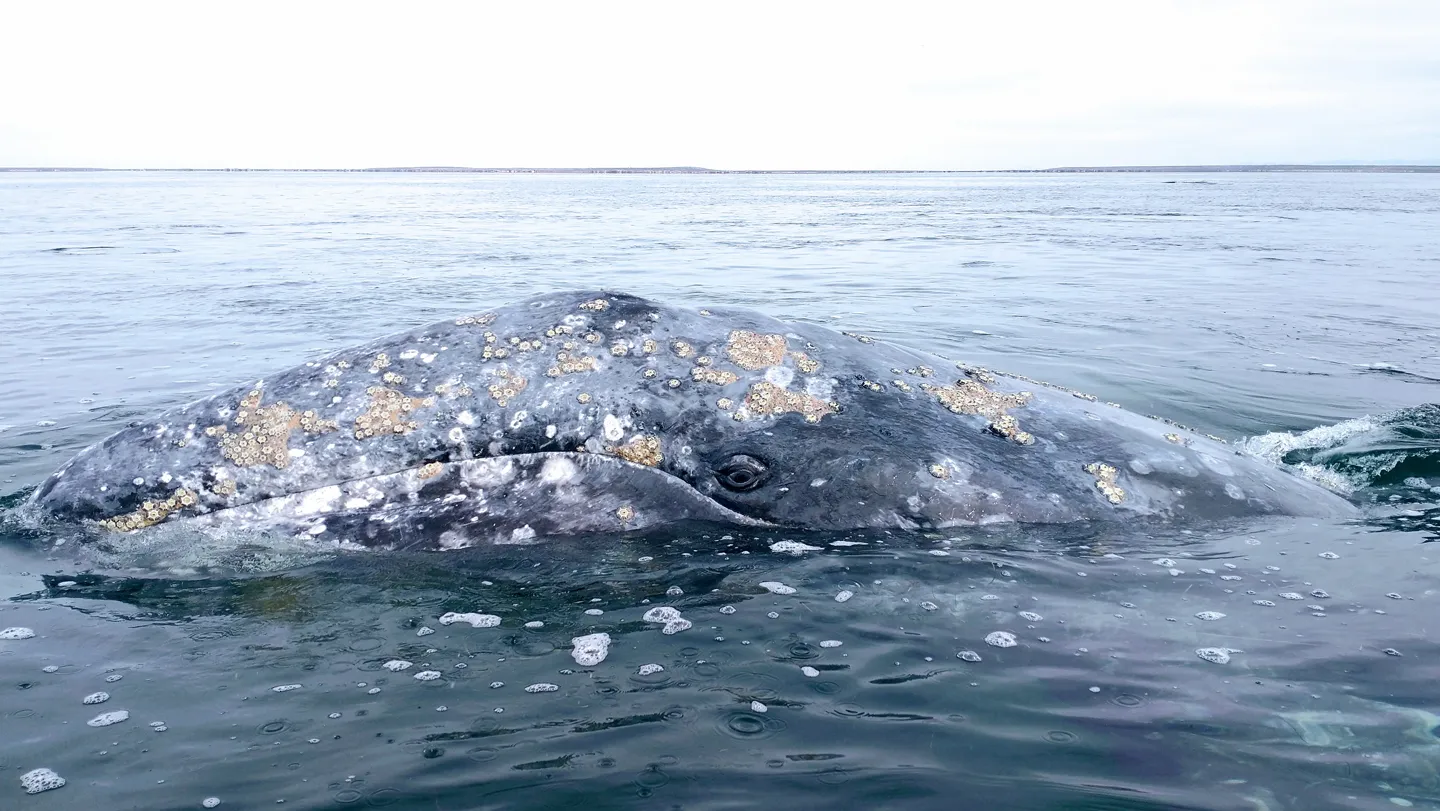
Researchers report that approximately 18 percent of photo-identified gray whales visiting San Francisco Bay from 2018 to 2025 died after entering the area. The deaths, often from vessel strikes, coincide with a population decline linked to reduced Arctic food availability. The fi…
 Stat
StatSpyre Therapeutics' SPY001 Drug Meets Primary Goal in Phase 2 Ulcerative Colitis Trial
Spyre Therapeutics announced positive results from the first batch of data in its Phase 2 SKYLINE study for SPY001, an experimental treatment for ulcerative colitis. The drug achieved a 9.2-point decrease in disease activity and induced remission in about 40% of participants afte…