Blue Tit Tops Bird Counts in Surrey Contrary to UK National Trend in RSPB Survey
A survey by the Royal Society for the Protection of Birds found the blue tit as the most common bird in Surrey, differing from the national trend where the house sparrow led. The study also highlighted declines in greenfinches and song thrushes. The RSPB advised against feeding birds seeds and nuts from May to October to prevent disease spread.
 Luc Viatour / Wikimedia (CC BY-SA 3.0)
The Royal Society for the Protection of Birds (RSPB) released results from its Big Garden Birdwatch survey, which tracks bird populations across the UK. In Surrey, the blue tit was the most frequently spotted bird, diverging from the national pattern where the house sparrow ranked first. The survey has been carried out since the late 1970s.
Nationally, the top three birds were the house sparrow, blue tit, and starling. In Surrey, the wood pigeon and house sparrow were number two and three. The study provides data on bird population trends and informs conservation efforts.
Regional Variations in Bird Sightings In neighboring counties, patterns aligned more closely with the national trend.
Kent and West Sussex recorded house sparrow, blue tit, and starling as the top three. East Sussex saw house sparrow, blue tit, and wood pigeon in the leading positions. The survey has documented long-term changes in bird populations.
Since its inception, it has shown substantial declines in species such as song thrushes and greenfinches. These declines are attributed to various factors, including habitat loss and disease.
RSPB Guidance on Bird Feeding Alongside the survey results, the RSPB issued guidance on bird feeding practices.
The organization recommended not providing seeds and nuts to birds from May until the end of October. This measure aims to reduce the spread of Trichomonosis, a disease caused by a parasite affecting birds' mouth, throat, and upper digestive tract. >"That gives us important information about the conservation that we need to carry out," an RSPB spokesperson said regarding the survey's role in tracking declines.
Trichomonosis primarily infects greenfinches and chaffinches, though other species can be affected to a lesser extent. The disease can impair birds' ability to eat, drink, or breathe. The RSPB also advised changing water provided for birds daily during hot weather, as the parasite can persist in standing water.
Background on the Big Garden Birdwatch The Big Garden Birdwatch engages thousands of participants each year, contributing to a large dataset on garden birds.
It helps monitor how common species are faring amid environmental changes. The results continue to highlight the need for ongoing conservation to support declining populations. Affected species like greenfinches and song thrushes have seen their numbers drop significantly over decades.
Conservation actions based on survey data include habitat protection and disease management. Participants are encouraged to report sightings to aid future monitoring.
Story Timeline
3 events- 2026-04-13
RSPB releases Big Garden Birdwatch results showing blue tit leading in Surrey.
1 sourcebbc.co.uk - Late January 2026
Volunteers conduct Big Garden Birdwatch survey across UK gardens.
1 sourcebbc.co.uk - Late 1970s
Big Garden Birdwatch survey begins, later documenting declines in song thrushes and greenfinches.
1 sourcebbc.co.uk
Potential Impact
- 01
Survey data could guide targeted conservation for declining species like song thrushes.
- 02
Reduced bird feeding in summer may lower Trichomonosis transmission rates among greenfinches.
- 03
Daily water changes for birds could prevent parasite persistence in gardens during hot weather.
- 04
Increased public awareness of regional bird trends may boost volunteer participation in future surveys.
Transparency Panel
Related Stories
 NASA Johnson Space Center / Wikimedia (Public domain)
NASA's Artemis II Completes First Manned Moon Mission Since 1972, Sets Distance Record
NASA's Artemis II mission completed a flight around the moon and splashed down in the Pacific Ocean on Saturday. The mission marks the first manned moon mission since 1972 and set a record for the furthest humans have travelled into space at 252,756 miles (406,771km). Meanwhile,…
 Science News
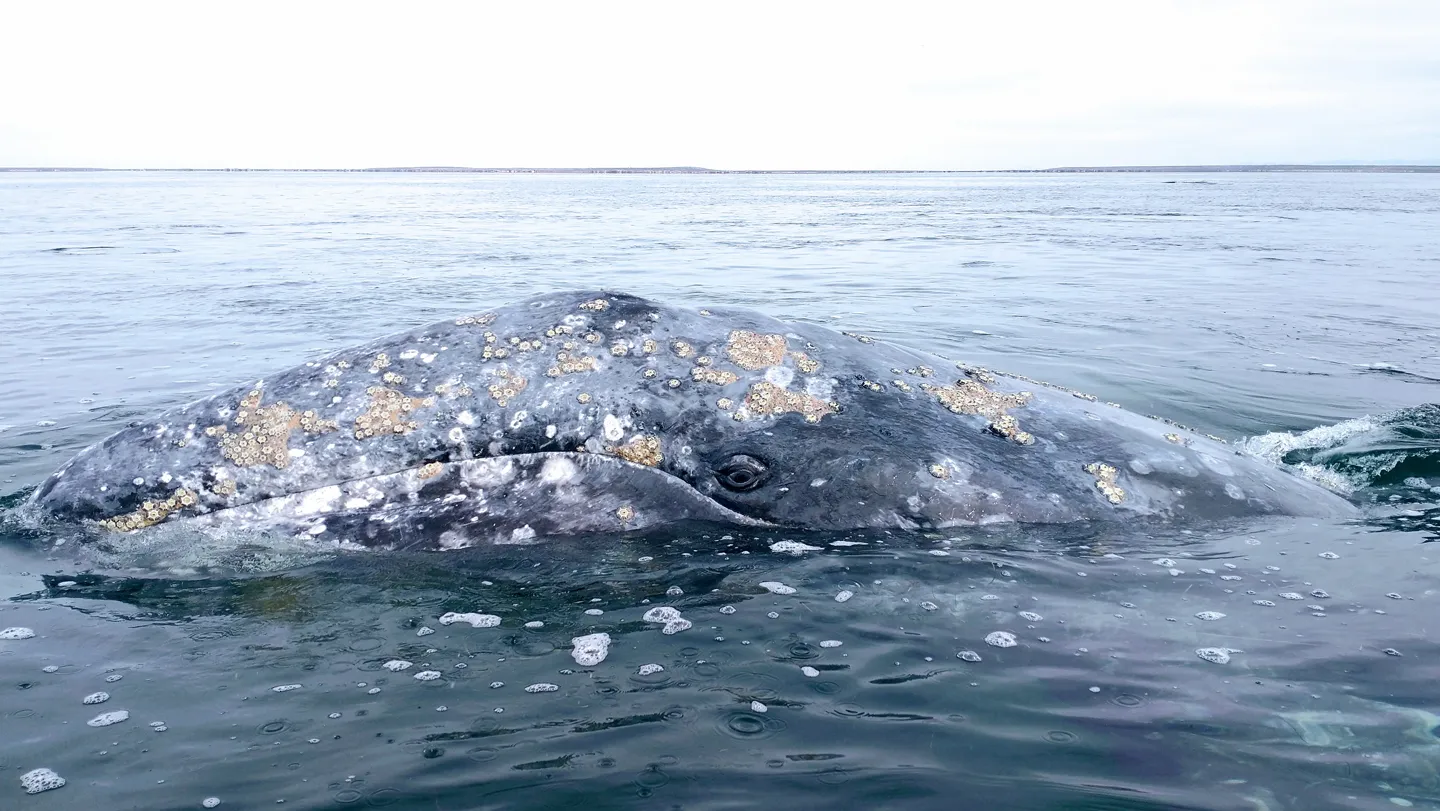
Nearly 1 in 5 Gray Whales Entering San Francisco Bay Die There, Study Finds
Researchers report that approximately 18 percent of photo-identified gray whales visiting San Francisco Bay from 2018 to 2025 died after entering the area. The deaths, often from vessel strikes, coincide with a population decline linked to reduced Arctic food availability. The fi…
 Stat
StatSpyre Therapeutics' SPY001 Drug Meets Primary Goal in Phase 2 Ulcerative Colitis Trial
Spyre Therapeutics announced positive results from the first batch of data in its Phase 2 SKYLINE study for SPY001, an experimental treatment for ulcerative colitis. The drug achieved a 9.2-point decrease in disease activity and induced remission in about 40% of participants afte…