Substrate
politics

Dignity Act Proposed as Framework to Reform U.S. Immigration Enforcement

The Dignity Act would strengthen border security, increase penalties for illegal entry and employing unauthorized workers, reform guest worker and legal immigration programs, and offer a conditions-based path to legal status for many already in the country without a general path to citizenship. It includes an exception for Dreamers brought to the U.S. illegally as children.

Washington Examiner
1 source·May 7, 12:00 PM(22 days ago)·2m read
Dignity Act Proposed as Framework to Reform U.S. Immigration EnforcementWashington Examiner
Audio version
Tap play to generate a narrated version.

The Dignity Act offers Congress and the Trump administration a framework to address long-standing gaps in immigration governance that previous administrations have not resolved. Officials have identified the absence of consistent rule of law as a central factor behind problems linked to illegal immigration, including corruption and exploitation that have persisted for decades due to weak enforcement.

The Trump administration has prioritized enforcement of existing immigration statutes, leading to a more secure border and higher numbers of deportations. As enforcement expanded beyond individuals with criminal records to those working and supporting families in the United States, public support for the approach has decreased, according to the report.

This shift has highlighted inconsistencies between current law, public attitudes, and labor market demands. The existing legal framework no longer aligns with economic needs or prevailing views on appropriate enforcement, prompting calls for legislative changes that could sustain policy across future Congresses and administrations.

The Dignity Act would increase border security measures and raise penalties for illegal entry as well as for hiring unauthorized labor. It proposes reforms to guest worker programs and the legal immigration system while creating a conditions-based process for many individuals currently in the country without authorization to obtain legal status.

No general pathway to citizenship is included for those who entered illegally. An exception would apply to Dreamers, individuals brought to the United States illegally as young children. The legislation stops short of granting citizenship to this group under the main provisions.

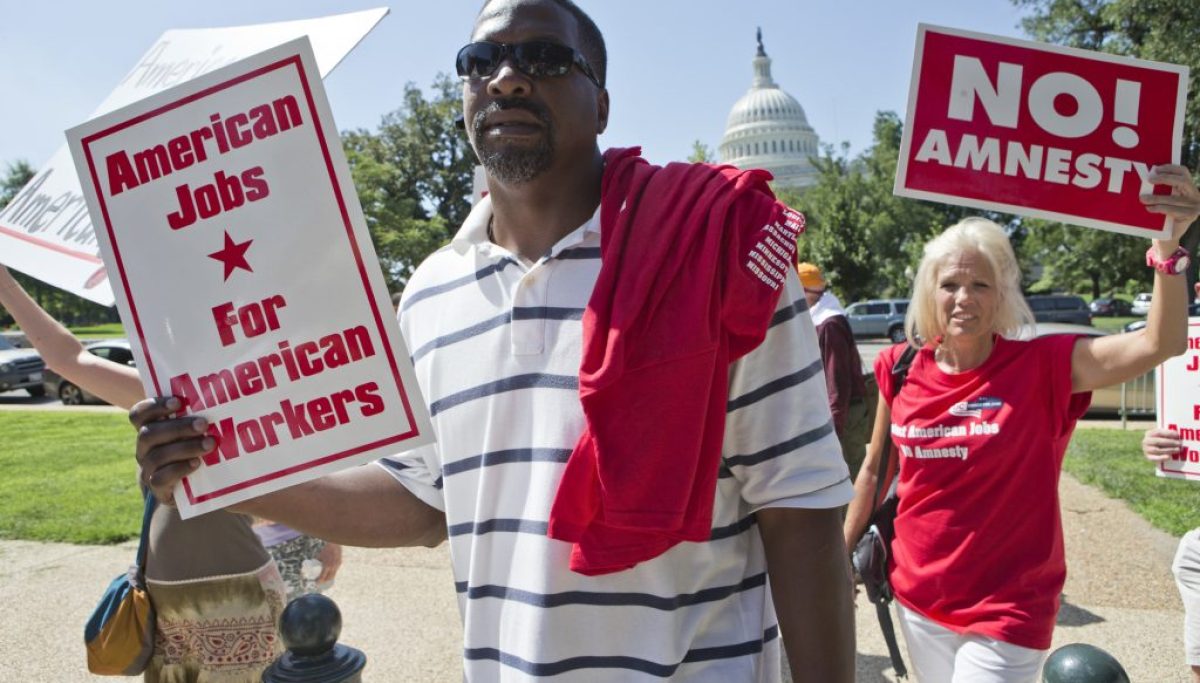
Opponents of provisions granting legal status have argued that any such measure constitutes amnesty, noting that current law prescribes deportation for illegal entry. Supporters counter that inconsistent enforcement over decades, including limited pursuit of employers who hired unauthorized workers, has effectively signaled tolerance for such labor.
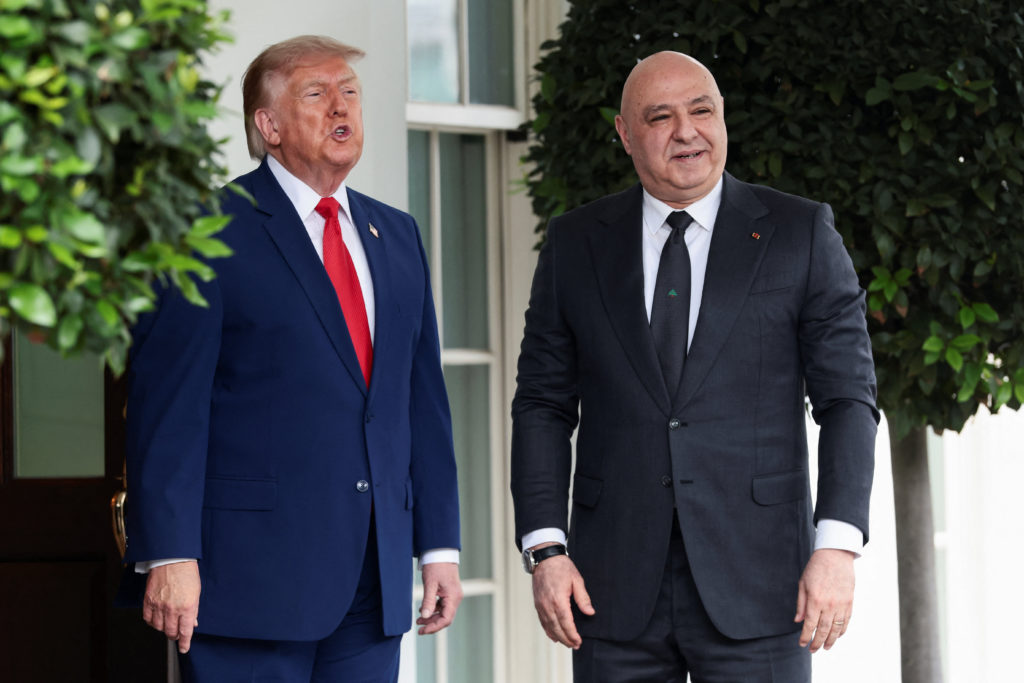
The report notes that immigration statutes include both civil and criminal penalties for employers of unauthorized workers, yet enforcement in this area has been described as lax compared with border measures. It questions whether calls for strict deportation should be matched by equivalent emphasis on prosecuting employers who benefited from the labor.

The proposal frames legal status without citizenship as one element of a broader compromise. The legislation is presented as an opportunity for debate on specific provisions rather than dismissal based on single issues. A sustainable immigration system requires statutes that can maintain broad public support across political cycles, according to the analysis.

The Dignity Act is offered as one model for legislation that balances security, economic considerations, and enforcement durability.

Key Facts

Dignity Act
framework for border security and legal status reform
No general citizenship path
for those currently in U.S. illegally
Dreamers exception
carve-out for those brought as young children
Increased penalties
for illegal entry and employing unauthorized labor
Reforms proposed
to guest worker programs and legal immigration

Story Timeline

3 events
  1. 2026

    The Dignity Act is presented as legislation to reform immigration enforcement and legal status rules.

    1 sourceWashington Examiner
  2. Recent years

    Trump administration enforcement efforts produced a secure border and increased deportations.

    1 sourceWashington Examiner
  3. Recent months

    Public support for aggressive enforcement began to decline as focus expanded beyond criminal cases.

    1 sourceWashington Examiner

Potential Impact

  1. 01

    Dreamers would receive a specific exception within the legislation's legal status provisions.

  2. 02

    Border security measures and employer penalties would increase under the proposed framework.

  3. 03

    Congress and the Trump administration may debate changes to align immigration law with labor market needs.

  4. 04

    Conditions-based legal status could be extended to certain long-term unauthorized workers.

Transparency Panel

Sources cross-referenced1
Confidence score65%
Synthesized bySubstrate AI
Word count424 words
PublishedMay 7, 2026, 12:00 PM
Bias signals removed4 across 2 outlets
Signal Breakdown
Editorializing 2Framing 1Loaded 1

Related Stories

Trump Meets Advisers to Decide on Iran Ceasefire ExtensionBBC News
politics1 hr ago

Trump Meets Advisers to Decide on Iran Ceasefire Extension

President Trump said he is holding a Situation Room meeting to make a final decision on a possible deal with Iran. The proposed agreement would extend the ceasefire by 60 days and reopen the Strait of Hormuz.

Al Jazeera
JA
MA
AF
AJ
+6
11 sources
Trump to Decide on Iran Deal in Situation Room Meetingmiddleeasteye.net
politics1 hr ago

Trump to Decide on Iran Deal in Situation Room Meeting

President Trump said Friday he is heading into the Situation Room to make a final determination on a potential agreement with Iran. The proposed deal would reopen the Strait of Hormuz without tolls and require destruction of Iran's highly-enriched uranium.

LI
Just the News
CBS News
3 sources
Vietnam Clears Graves for Trump Organization Project in Hung Yen Provincebenzinga.com
politics1 hr ago

Vietnam Clears Graves for Trump Organization Project in Hung Yen Province

Farmers in Hung Yen province are exhuming family graves to make way for a $1.5 billion Trump Organization development that includes hotels, villas and a golf course. The project, approved last year, has drawn local resistance over compensation levels and relocation of remains.

The Independent
1 source