Discussions Emerge on Invoking 25th Amendment Amid Trump's Handling of US-Iran Conflict
Conversations have resurfaced regarding the potential use of the 25th Amendment to the US Constitution to remove the president from office. These discussions stem from President Donald Trump's management of the ongoing war with Iran. The amendment provides a mechanism for addressing presidential incapacity.
 Substrate placeholder — needs review
Discussions about invoking the 25th Amendment to the US Constitution have reemerged in relation to President Donald Trump's handling of the war with Iran. The 25th Amendment, ratified in 1967, outlines procedures for presidential succession and addresses situations where the president is unable to discharge duties.
It allows the vice president and a majority of cabinet members to declare the president unable to serve, transferring power to the vice president.
The current talks follow heightened tensions in the US-Iran conflict, which escalated after the US airstrike that killed Iranian General Qasem Soleimani on January 3, 2020. President Trump ordered the strike in Baghdad, Iraq, citing threats to US personnel. Iran responded with missile attacks on US bases in Iraq on January 8, 2020, though no US fatalities were reported from those strikes.
Kennedy in 1963. W. Bush. No president has been removed under its provisions through the declaration of incapacity process. In the context of foreign policy, critics have raised concerns about presidential decision-making during conflicts.
The US-Iran war involves stakes including regional stability, oil prices, and alliances in the Middle East. Affected parties include US military personnel, Iranian civilians, and international partners like NATO allies and Gulf states.
According to @business, these discussions highlight ongoing debates over executive authority in wartime.
Congress could play a role if invocation occurs, as the amendment requires congressional involvement to resolve disputes. Legal experts note that any attempt to invoke Section 4 would likely face immediate challenges in courts and within the administration. The situation remains fluid, with diplomatic efforts underway to de-escalate the conflict.
Monitoring bodies, including the United Nations, have called for restraint. Future developments may include additional military actions or negotiations, depending on responses from both nations.
Transparency
Reported by a single outlet. This score reflects source tier and factual specificity — corroboration is limited with one source.
Story details
Related Stories
 thehindu.com
House Passes Resolution Asserting Congress Must Authorize Any U.S. Hostilities With Iran
The House voted 215-208 on June 3 to pass a measure directing President Trump to withdraw U.S. forces from hostilities with Iran unless Congress authorizes force. Four Republicans joined Democrats in support of the non-binding resolution.
 Washington Examiner
House Passes Non-Binding Resolution on Iran War Powers, 215-208
The U.S. House voted 215-208 on June 3 to require congressional approval for continued hostilities with Iran. Four Republicans joined Democrats in support after a discharge petition forced the measure to the floor.
 msnbc.com
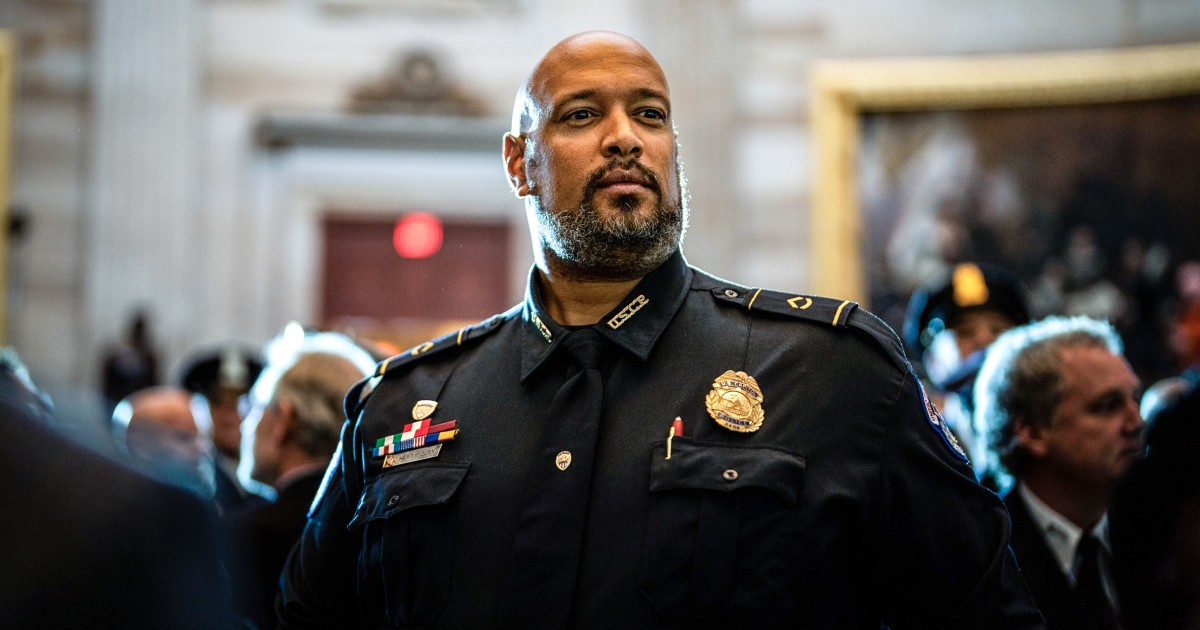
Congress Raises Capitol Police Mandatory Retirement Age
President Trump signed Public Law 119-95 on June 4, 2026, amending chapters 83 and 84 of title 5 to authorize an increase in the mandatory retirement age for U.S. Capitol Police officers. The change extends the period officers can remain on duty, altering staffing calculations an…