Dual U.S.-Iranian National Arrested for Supplying U.S. Tech to Iran Nuclear and Military Programs
The CEO of an Iran-based technology company was arrested in California on a federal complaint charging him with violating U.S. sanctions by procuring networking, security, and encryption equipment for Iranian nuclear and military customers. The case directly disrupts one channel through which restricted U.S.-origin technology has reached Iran’s most sensitive programs.
 al-monitor.com
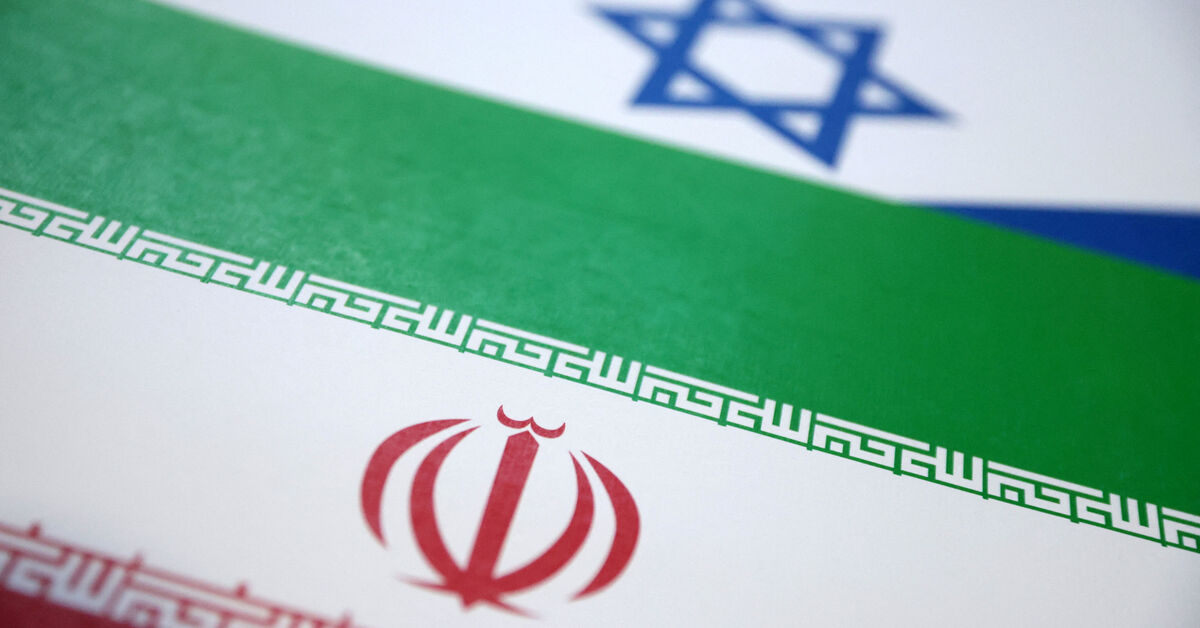
LOS ANGELES — A dual U.S.-Iranian national who serves as CEO of an Iran-based technology company was arrested today on a federal criminal complaint charging him with sanctions violations for acquiring sophisticated U.S.-origin networking, security, and encryption equipment on behalf of Iranian customers that include the regime’s nuclear and military establishment.
The arrest, announced by the U.S. Attorney’s Office for the Central District of California, targets a single individual but illustrates the reach of U.S. export controls. The defendant is accused of supplying equipment that directly supports Iran’s nuclear activities and military operations, sectors subject to comprehensive U.S. sanctions that prohibit virtually all unlicensed trade in U.S.-origin goods and technology.
Prior to the arrest the defendant operated with relative freedom to source restricted items through front companies and transshipment networks. The complaint alleges that pattern has now been interrupted by federal agents. The charges were filed under the International Emergency Economic Powers Act, the primary statute enforcing U.S. sanctions on Iran.
The arrest triggers several immediate operational consequences. Federal prosecutors must now present evidence to a grand jury for indictment within the standard 30-day window or seek an extension. The defendant faces potential asset forfeiture proceedings tied to any U.S. accounts or property linked to the alleged scheme.
Iranian end-users who received the equipment will find replacement parts and updates harder to obtain, forcing them either to seek non-U.S. alternatives or accept degraded capabilities in their networks.
The case also activates standard interagency processes: the Commerce Department’s Bureau of Industry and Security will review whether additional export-control designations or Entity List additions are warranted for companies identified in the complaint, while Treasury’s Office of Foreign Assets Control may add parties to the SDN list.
This arrest forms part of the Justice Department’s ongoing enforcement of Iran sanctions. The department has brought multiple cases in recent years targeting procurement networks that funnel dual-use American technology to Iran’s nuclear program, ballistic-missile development, and military units under U.S. sanctions.
Coverage spread
Substrate’s article above is written from the primary record. Below: how mainstream outlets reported the same event.
No mainstream coverage of this story has surfaced yet.
Transparency
Reported by a single outlet. This score reflects source tier and factual specificity — corroboration is limited with one source.
Related Stories
 Substrate placeholder — needs review
House Passes Resolution to End U.S. Hostilities With Iran
The House voted 215-208 to approve a concurrent resolution directing the withdrawal of U.S. forces from Iran after the 60-day war-powers deadline expired in early May. Four Republicans joined all Democrats present in support.
 realitytea.com
Trump Orders Federal Agencies to Strengthen Customs Enforcement
President Trump signed an executive order directing the Department of Homeland Security, Department of the Treasury, and Department of Justice to improve detection and interdiction of unlawful and dangerous imports. The directive requires new operational plans within 60 days and…
 realitytea.com
Trump Signs Executive Order Directing Comprehensive Customs Reform
President Donald J. Trump signed an executive order on June 3, 2026 that mandates reforms to strengthen enforcement of U.S. customs laws. The order targets customs fraud that undermines economic strength and national security, triggering new compliance requirements across importe…