Immigration Enforcement Policies Affect US Disaster Recovery Workforce
Immigration enforcement by U.S. Immigration and Customs Enforcement (ICE) has led to deportations of workers involved in disaster recovery. Immigrants comprise an estimated 25 to 40 percent of the disaster recovery workforce. These policies may reduce the availability of trained workers for upcoming hurricane, fire, and flood seasons.
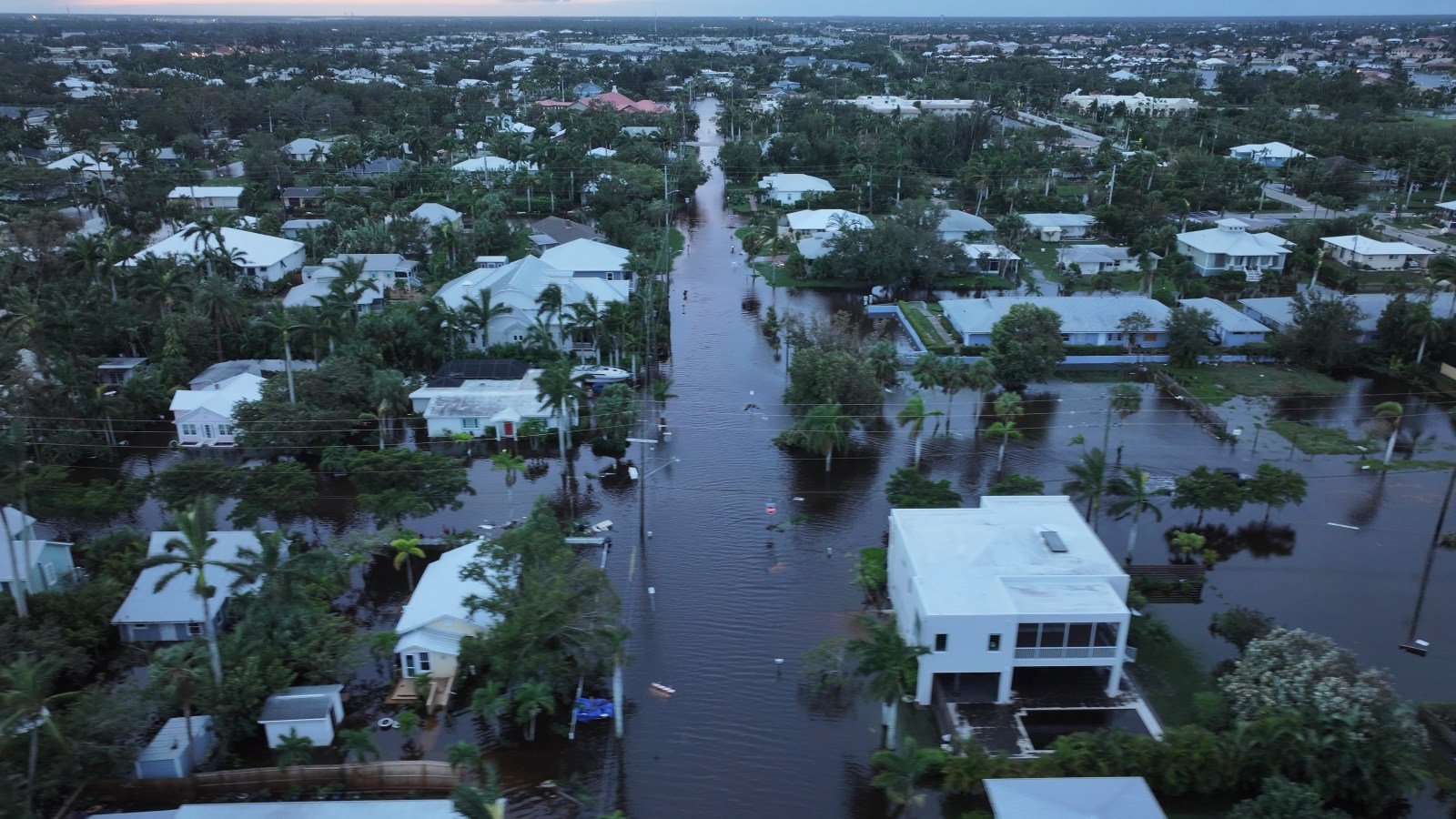 Newsweek
The United States is entering the 2026 hurricane, fire, and flood season. Disaster recovery efforts rely on a workforce that includes a significant number of immigrants. Current immigration enforcement policies have resulted in deportations of some of these workers.
S. Immigration and Customs Enforcement (ICE) handles deportations as part of immigration enforcement. Immigrants make up an estimated 25 to 40 percent of the disaster recovery workforce, according to reports.
These workers perform tasks such as repairing damaged roofs in the southeast, clearing debris after wildfires in the west, and addressing flood damage in the midwest. The Department of Homeland Security oversees ICE. Markwayne Mullin serves as Secretary of Homeland Security, having replaced Kristi Noem in that role.
During his Senate confirmation hearings and subsequent statements, Mullin addressed immigration enforcement approaches.
Policy Intersections with Disaster Response Federal policies on immigration intersect with disaster management.
The Federal Emergency Management Agency (FEMA) coordinates national disaster response. A recent court order required FEMA to relaunch climate resiliency grants for community preparation. Local and state governments also participate in disaster response alongside federal agencies.
The disaster season is expected to involve severe weather events, including extreme heat, drought, and fires, following low snowpack in the west and recent heat waves. These conditions affect vulnerable communities. Deportations may lead to fewer trained workers available for recovery efforts after events like hurricanes, fires, or floods.
This reduction stems from ongoing immigration enforcement actions. Federal, state, and local agencies coordinate to address these challenges.
Potential Next Steps Congress and the courts continue to influence disaster and immigration policies.
FEMA's mission includes protecting communities from disasters through preparation and response. Ensuring workforce availability during crises involves coordination across government levels.
Story Timeline
3 events- Recent
FEMA relaunched climate resiliency grants following a court order.
1 sourceNewsweek - Prior to 2026
Markwayne Mullin replaced Kristi Noem as Secretary of Homeland Security.
1 sourceNewsweek - Ongoing
ICE conducts deportations of workers essential to disaster response.
1 sourceNewsweek
Potential Impact
- 01
Fewer trained workers may slow community recovery after disasters.
- 02
Increased strain on federal, state, and local response agencies.
- 03
Potential delays in debris clearance and home repairs post-floods or fires.
- 04
Court and congressional actions could adjust enforcement priorities.
Transparency Panel
Related Stories
 NASA Johnson Space Center / Wikimedia (Public domain)
NASA's Artemis II Completes First Manned Moon Mission Since 1972, Sets Distance Record
NASA's Artemis II mission completed a flight around the moon and splashed down in the Pacific Ocean on Saturday. The mission marks the first manned moon mission since 1972 and set a record for the furthest humans have travelled into space at 252,756 miles (406,771km). Meanwhile,…
 Science News
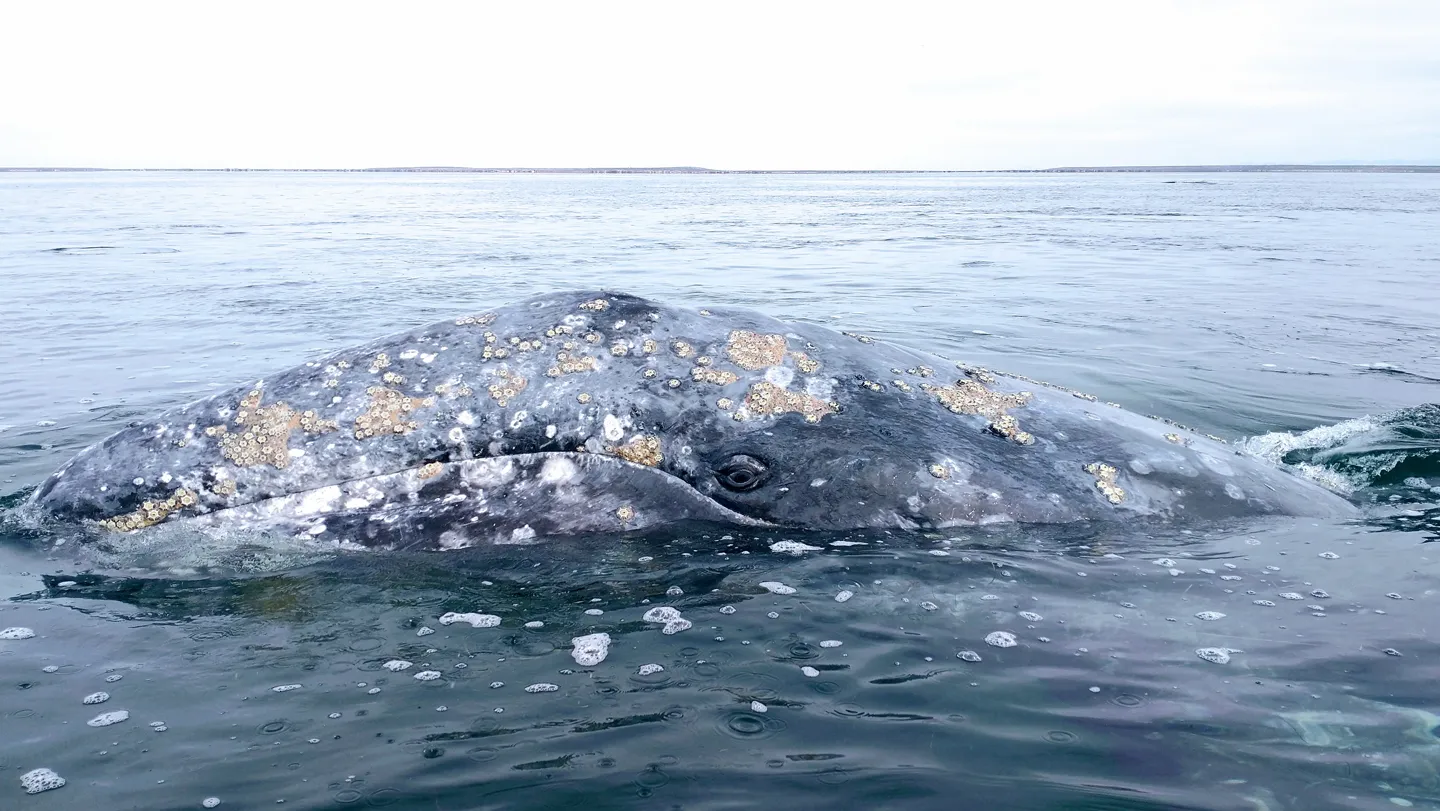
Nearly 1 in 5 Gray Whales Entering San Francisco Bay Die There, Study Finds
Researchers report that approximately 18 percent of photo-identified gray whales visiting San Francisco Bay from 2018 to 2025 died after entering the area. The deaths, often from vessel strikes, coincide with a population decline linked to reduced Arctic food availability. The fi…
 Stat
StatSpyre Therapeutics' SPY001 Drug Meets Primary Goal in Phase 2 Ulcerative Colitis Trial
Spyre Therapeutics announced positive results from the first batch of data in its Phase 2 SKYLINE study for SPY001, an experimental treatment for ulcerative colitis. The drug achieved a 9.2-point decrease in disease activity and induced remission in about 40% of participants afte…