finance
EIA Forecasts Gradual Decline in Brent-WTI Spread with Resumed Strait of Hormuz Oil Flows
The U.S. Energy Information Administration expects the Brent-WTI spread to narrow gradually as oil flows through the Strait of Hormuz resume. This projection accompanies falling oil prices. The analysis addresses global oil market dynamics and potential supply adjustments.
FI
 thehindubusinessline.com
Audio version
Tap play to generate a narrated version.
U.S. Energy Information Administration (EIA) has projected a gradual decline in the spread between Brent and West Texas Intermediate (WTI) crude oil prices. According to the EIA, this narrowing is linked to the resumption of oil flows through the Strait of Hormuz.
The report notes that current oil prices are falling amid these developments. The Brent-WTI spread represents the price difference between the two major crude oil benchmarks, with Brent typically trading at a premium to WTI due to factors like transportation costs and regional supply variations.
The EIA's forecast suggests that increased oil exports from the Persian Gulf region, facilitated by the Strait of Hormuz, will contribute to greater global supply availability.
This could help balance market dynamics influenced by geopolitical tensions and demand patterns.
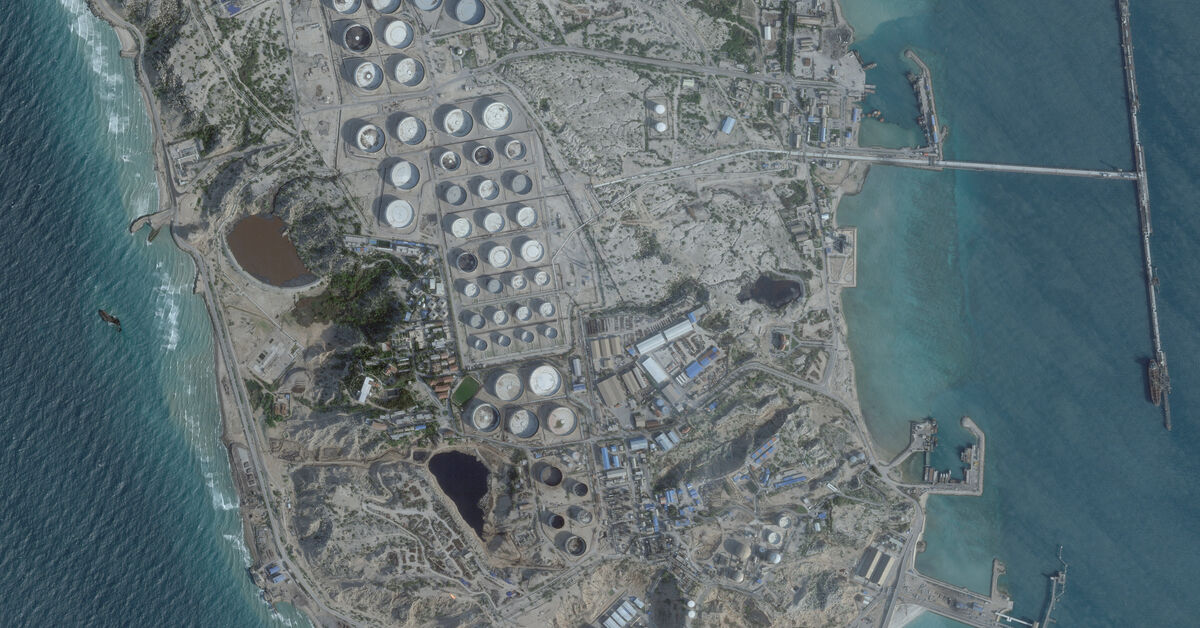
The Strait of Hormuz serves as a critical chokepoint for oil transportation, handling approximately 20% of global oil trade.
Recent disruptions in flows through the strait had raised concerns about potential supply shortages, contributing to price volatility. As flows resume, the EIA anticipates a stabilization effect on international oil markets. Oil prices have declined in recent sessions, with Brent crude settling below $80 per barrel and WTI around $75 per barrel, according to market data cited in the EIA analysis.
The agency attributes part of this drop to expectations of normalized supply routes. Traders and analysts are monitoring the situation for confirmation of sustained flow increases.
The projected decline in the Brent-WTI spread could affect refining margins and export strategies for oil producers in the U.S. and Europe. Stakeholders in the energy sector, including refiners and consumers, may see adjusted costs as supply chains realign. The EIA plans to update its short-term energy outlook in the coming weeks to reflect any changes in flow volumes or price trends.