EPA Finalizes No Changes to Hazardous Waste Combustor Emission Rules
The Environmental Protection Agency issued a final rule June 3 stating that existing National Emission Standards for Hazardous Air Pollutants from Hazardous Waste Combustors adequately control residual risks and require no technology updates. The action also adds emission standards for hydrogen fluoride and hydrogen cyanide from major sources while imposing work-practice rules for startup, shutdown and malfunction periods.
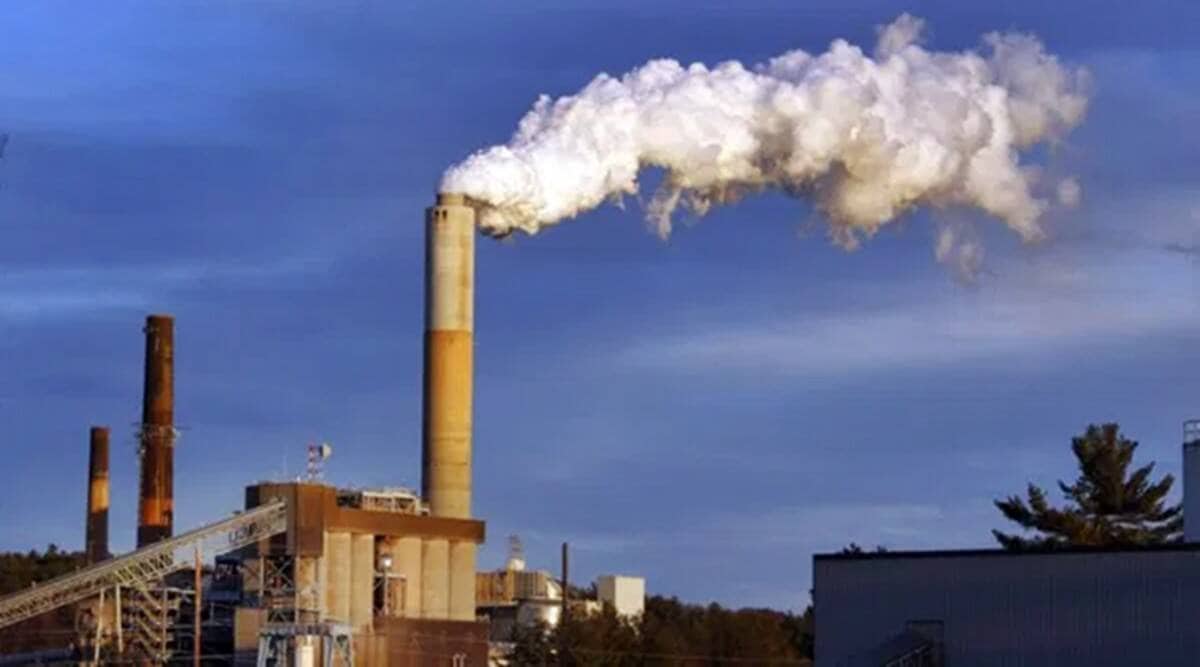 indianexpress.com
The Environmental Protection Agency finalized its residual risk and technology review for National Emission Standards for Hazardous Air Pollutants from Hazardous Waste Combustors on June 3, 2026, determining that current standards provide an ample margin of safety to protect public health.
The rule covers hazardous waste combustors including incinerators, cement kilns, solid fuel boilers and liquid fuel boilers that burn hazardous waste. Per the Federal Register notice, the EPA concluded that risks from hazardous air pollutant emissions remain adequately addressed by the existing NESHAP, that no revisions are needed based on developments in practices, processes or control technologies, and that the standards continue to meet Clean Air Act requirements.
Operationally the final rule adds specific emission standards for hydrogen fluoride and hydrogen cyanide from major-source hazardous waste combustors under Clean Air Act sections 112(d)(2), (3) and 112(h). It also establishes work practice standards for periods of startup, shutdown and malfunction, introduces new electronic reporting requirements, allows states to exempt certain area-source facilities from permitting obligations, and makes typographical and technical corrections.
The rule takes effect immediately on June 3, 2026; incorporation by reference of certain materials was approved as of Sept. 8, 2020.
Downstream, regulated facilities must incorporate the new hydrogen fluoride and hydrogen cyanide limits and work-practice standards into their compliance plans. The electronic reporting provisions will require operators to submit data through EPA systems rather than paper forms, triggering updates to state permitting programs and facility monitoring protocols.
States choosing to exempt qualifying area sources from certain permitting requirements can now implement that option, shifting administrative workload. Because the residual risk review found no further controls necessary, the decision closes the current Clean Air Act-mandated review cycle and resets the clock for the next technology review.
This completes the residual risk and technology review required under the Clean Air Act for the hazardous waste combustor source category. The underlying NESHAP rules were last revised years earlier; the EPA published the proposed RTR outcome for public comment before issuing this final action signed by President Donald Trump.
The 89-page document appears in the Federal Register under regulation ID 2060-AV96.
Coverage spread
Substrate’s article above is written from the primary record. Below: how mainstream outlets reported the same event.
No mainstream coverage of this story has surfaced yet.
Transparency
Reported by a single outlet. This score reflects source tier and factual specificity — corroboration is limited with one source.
Related Stories
 Substrate placeholder — needs review
House Passes Resolution to End U.S. Hostilities With Iran
The House voted 215-208 to approve a concurrent resolution directing the withdrawal of U.S. forces from Iran after the 60-day war-powers deadline expired in early May. Four Republicans joined all Democrats present in support.
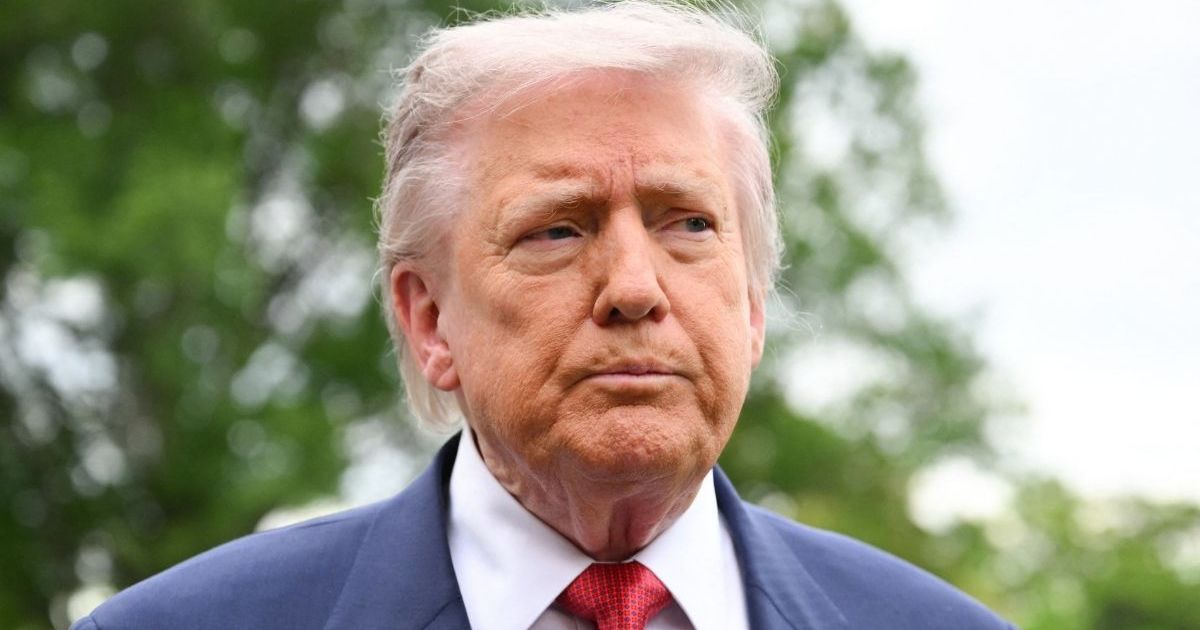 realitytea.com
Trump Orders Federal Agencies to Strengthen Customs Enforcement
President Trump signed an executive order directing the Department of Homeland Security, Department of the Treasury, and Department of Justice to improve detection and interdiction of unlawful and dangerous imports. The directive requires new operational plans within 60 days and…
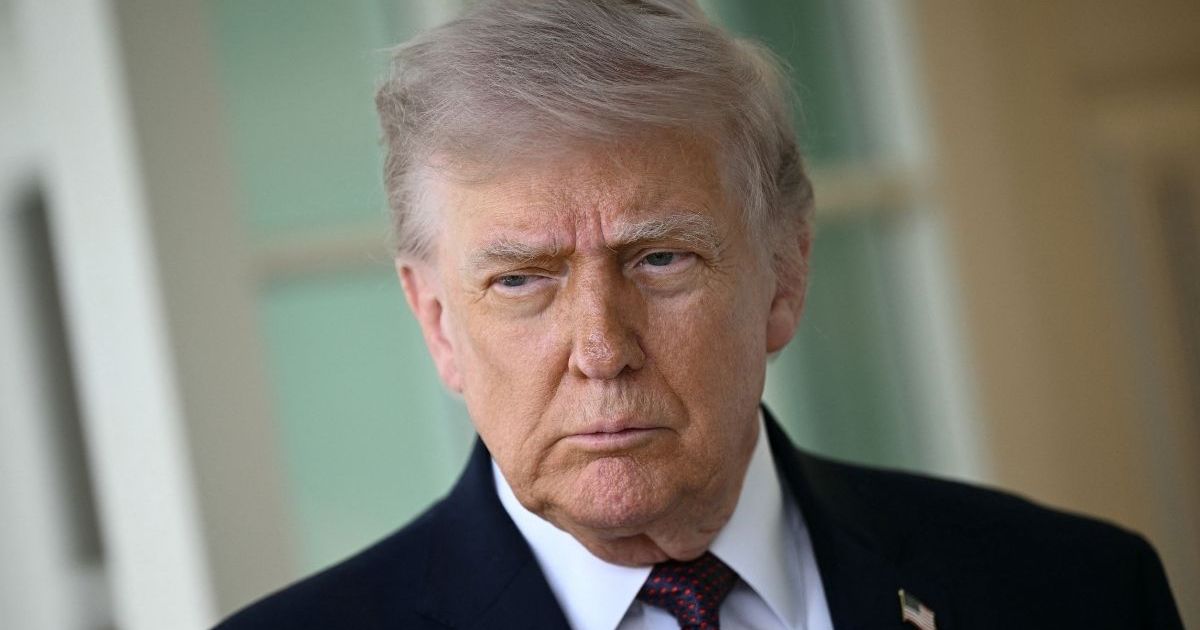 realitytea.com
Trump Signs Executive Order Directing Comprehensive Customs Reform
President Donald J. Trump signed an executive order on June 3, 2026 that mandates reforms to strengthen enforcement of U.S. customs laws. The order targets customs fraud that undermines economic strength and national security, triggering new compliance requirements across importe…