Erin Brockovich Data Center Map Tops 5,000 Reports by June 9
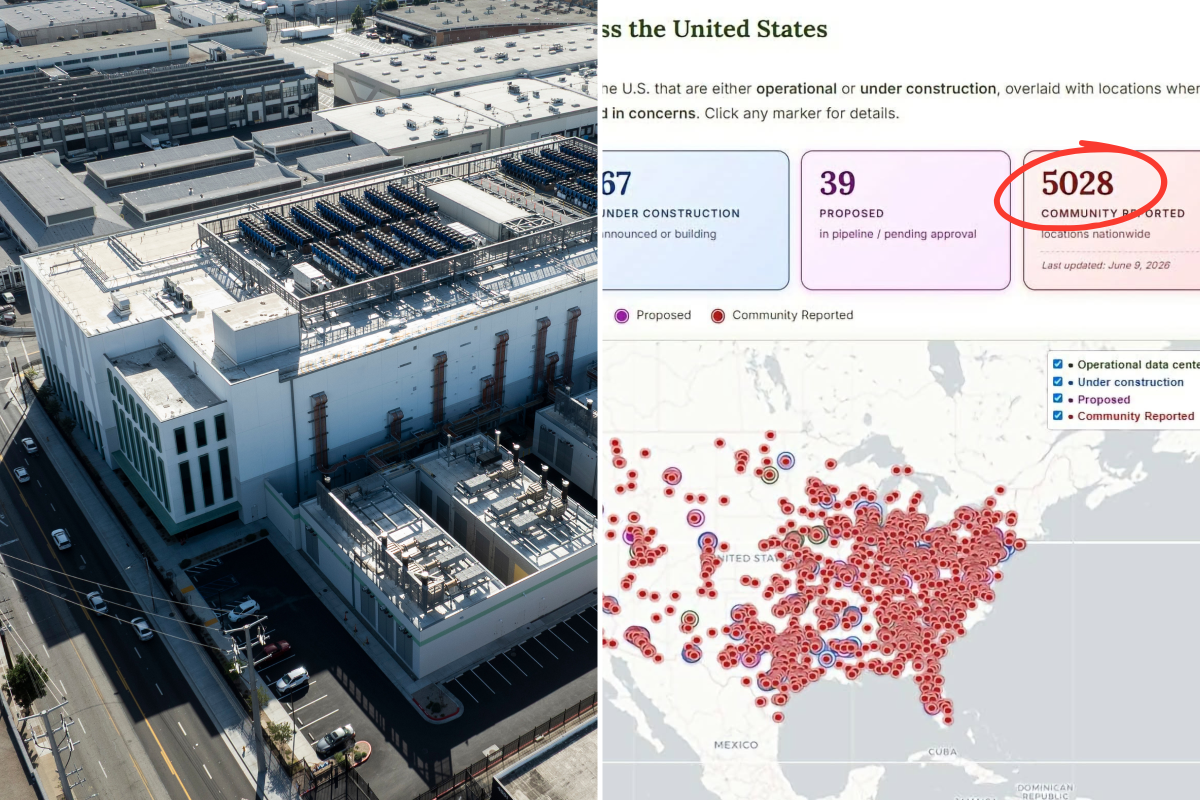
More than 5,000 submissions have been logged on brockovichdatacenter.com since its late-May launch, with communities citing electricity, water and noise impacts.
 Newsweek
Com, bringing the total past 5,000 by June 9. On June 2 the site held just over 3,000 submissions; another 2,000 arrived in the following week. Brockovich launched the platform in late May to collect reports on existing, under-construction and proposed data centers.
At the start of June she said more than 6,000 Americans had already contacted her directly, indicating the map captures only a portion of the outreach. Common complaints listed on the site include considerable electricity consumption, significant water use for cooling systems, noise pollution from around-the-clock operations, strain on local infrastructure and resources, electronic waste from rapid hardware turnover, and risks from natural disasters, flooding or geopolitical instability.
Large data centers can use up to 5 million gallons of water in a single day, an amount equal to the daily consumption of a town of 10,000 to 50,000 people, according to the Environmental and Energy Study Institute.
U.S. data centers collectively consume nearly 450 million gallons daily and more than 160 billion gallons annually, Newsweek reported. Researchers at the University of California, Riverside estimated that generating a 100-word AI response consumes roughly one bottle of water.
S. 4 percent of America’s annual electricity consumption, according to a Lawrence Berkeley National Laboratory report that projects the share could reach 12 percent by 2028. The Trump administration has said faster data-center development is essential to staying ahead of rivals such as China in the AI race.
Several local governments have responded with restrictions. Seattle city officials passed a one-year moratorium on new data centers, citing electricity demand and strain on urban infrastructure. Local governments in Kentucky have introduced or passed temporary moratoriums.