Traps to Be Set for Yellow-Legged Hornets in Wales After Recent Sighting
The Welsh government has directed the National Bee Unit to install traps for yellow-legged hornets within a 5km radius of a sighting site in Caergwrle, Wales. Trapping efforts will run from mid-April to the end of June. The species poses a risk to honey bees, and the public is asked to report suspected sightings using an identification guide.
 Keith Edkins / Wikimedia (CC BY-SA 2.0)
The Welsh government has instructed the National Bee Unit to set traps for yellow-legged hornets following a sighting of the invasive species in the Caergwrle area of Wales earlier this year. The traps will be placed within a 5km radius of the site. This measure aims to monitor and control the spread of the species, which targets honey bees.
Trapping operations are scheduled to begin in mid-April and continue until the end of June. The National Bee Unit, which manages the government's Bee Health Programme in England and Wales, stated that confirmed sightings during this period would prompt efforts to locate and destroy nests. The unit described this approach as precautionary, proportionate, and based on available scientific evidence.
Yellow-legged hornets, also known as Asian hornets, are a non-native species first recorded in France in 2004. The species has since appeared in multiple European countries and parts of the UK. In England, initial sightings occurred in 2016, with annual actions to find and destroy nests reported by the Welsh government.
Background on the Species Yellow-legged hornets are active from February to November and are most commonly observed from July onward.
The insects are not generally aggressive toward humans, but individuals are advised to avoid approaching or disturbing nests. Their presence can affect local bee populations by predation, potentially impacting pollination and honey production.
Public Involvement and Reporting The Welsh government has requested that beekeepers and the public use an identification guide to differentiate yellow-legged hornets from similar native insects.
Suspected sightings should be reported to authorities. This reporting helps in early detection and response to prevent establishment of the species in new areas. The initiative addresses risks to native pollinators, which support agriculture and ecosystems in Wales.
Ongoing monitoring ensures that any nests are addressed promptly. Further updates on trapping results will be provided by the National Bee Unit as the programme progresses.
Story Timeline
4 events- Mid-April to End of June 2026
Trapping operations for yellow-legged hornets begin in Caergwrle area.
1 sourceThe Bbc - Earlier 2026
Yellow-legged hornet sighted in Caergwrle, Wales, prompting government response.
1 sourceThe Bbc - 2016
First sightings of Asian hornets recorded in England.
1 sourceThe Bbc - 2004
Yellow-legged hornets first seen in France.
1 sourceThe Bbc
Potential Impact
- 01
Possible destruction of detected nests to limit species spread.
- 02
Potential reduction in local honey bee populations if hornets establish nests.
- 03
Support for bee health programmes in England and Wales.
- 04
Increased monitoring and reporting by public and beekeepers in Wales.
Transparency Panel
Related Stories
 NASA Johnson Space Center / Wikimedia (Public domain)
NASA's Artemis II Completes First Manned Moon Mission Since 1972, Sets Distance Record
NASA's Artemis II mission completed a flight around the moon and splashed down in the Pacific Ocean on Saturday. The mission marks the first manned moon mission since 1972 and set a record for the furthest humans have travelled into space at 252,756 miles (406,771km). Meanwhile,…
 Science News
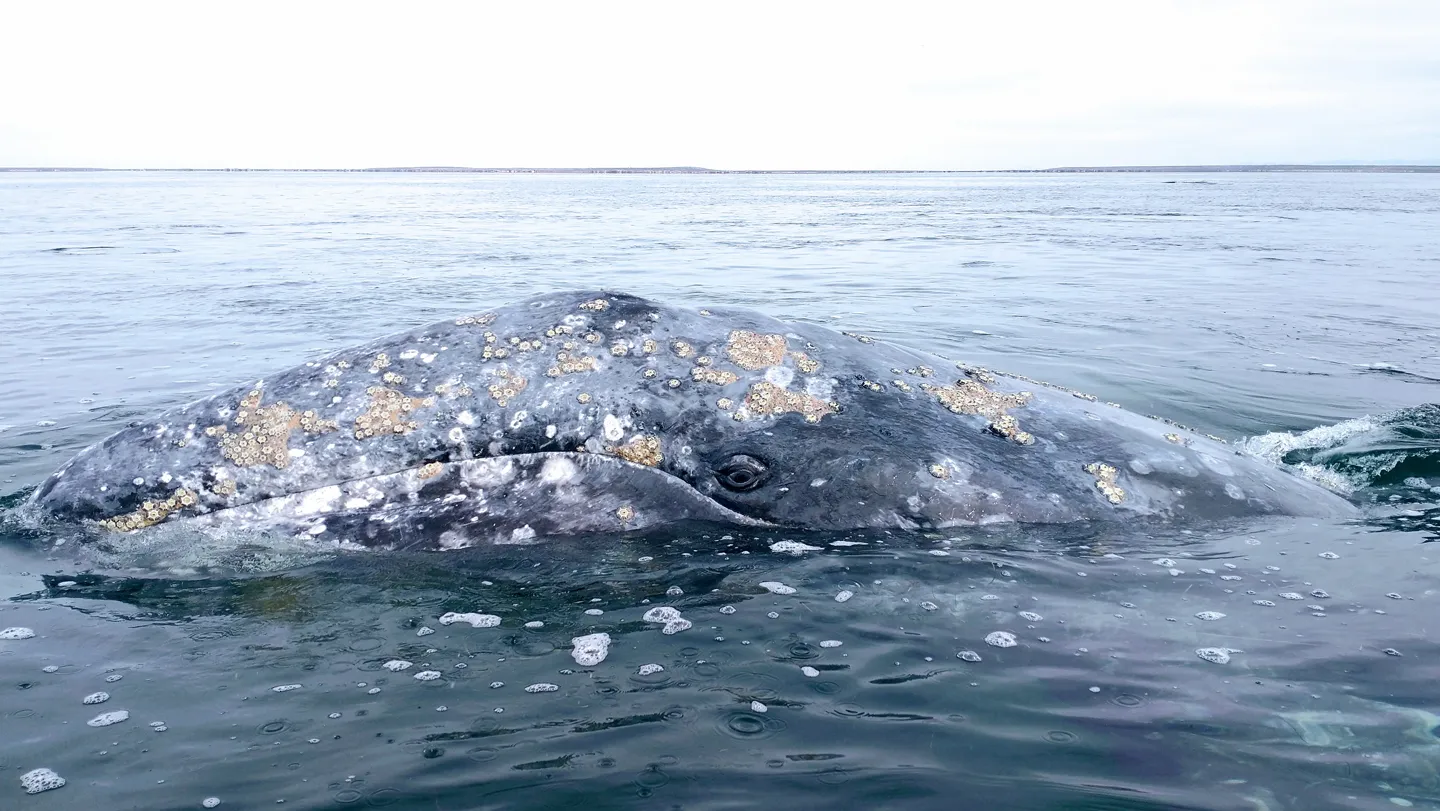
Nearly 1 in 5 Gray Whales Entering San Francisco Bay Die There, Study Finds
Researchers report that approximately 18 percent of photo-identified gray whales visiting San Francisco Bay from 2018 to 2025 died after entering the area. The deaths, often from vessel strikes, coincide with a population decline linked to reduced Arctic food availability. The fi…
 Stat
StatSpyre Therapeutics' SPY001 Drug Meets Primary Goal in Phase 2 Ulcerative Colitis Trial
Spyre Therapeutics announced positive results from the first batch of data in its Phase 2 SKYLINE study for SPY001, an experimental treatment for ulcerative colitis. The drug achieved a 9.2-point decrease in disease activity and induced remission in about 40% of participants afte…