technology
Federal Probes Open into Texas Tesla Crash While Waymo Scales Robotaxi Imports
NHTSA and NTSB opened investigations into a fatal Texas crash involving a Tesla. Waymo is on pace to import more than 3,000 robotaxis this year while multiple mobility startups announced funding and partnerships.
 teslarati.com
Audio version
Tap play to generate a narrated version.
Developing·Limited corroboration so far. This page will refresh as more sources emerge.
Federal safety agencies opened separate investigations into a fatal crash in Texas in which a Tesla struck a home and killed a 76-year-old woman. The driver told police that Autopilot, the company’s discontinued basic driver-assistance system, was engaged.
Ashok Elluswamy, Tesla’s vice president of AI software, stated on X that the driver manually overrode the system by pressing the accelerator to 100 percent in a residential area.
The National Highway Traffic Safety Administration is examining whether Tesla’s Full Self-Driving (Supervised) system can detect and respond to reduced visibility conditions such as sun glare, fog or airborne dust. The National Transportation Safety Board is also investigating the Texas incident.
Tesla separately settled a lawsuit tied to a fatal 2023 crash that involved a vehicle using FSD (Supervised).
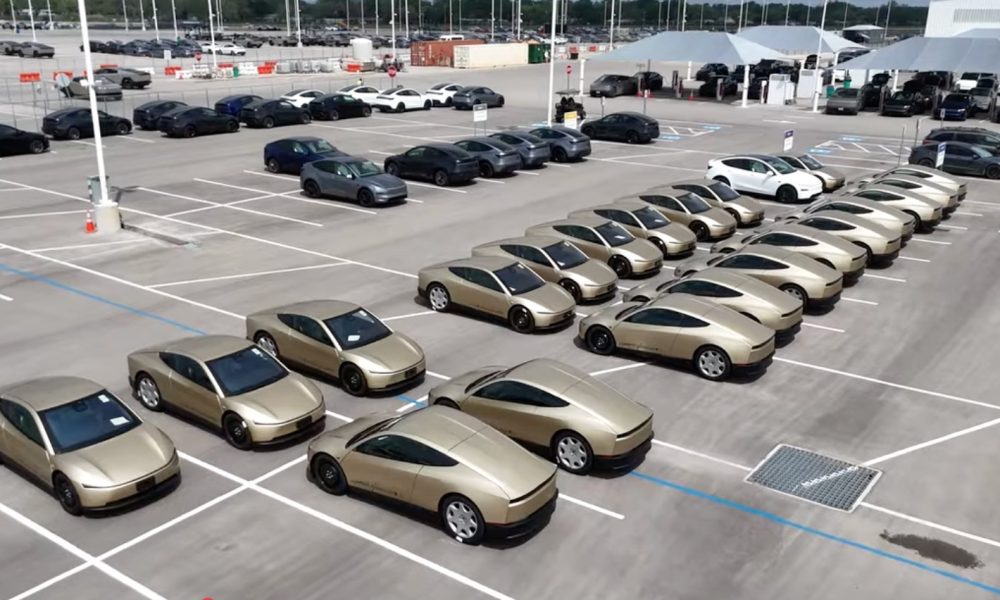
Waymo is importing vehicles at a pace that would reach 3,156 units for the full year, or roughly 300 per month, according to an analysis of U.S. government shipping records by MoffettNathanson. The vehicles are supplied by Zeekr under an earlier agreement; they were designed in Sweden and built in China without Chinese-connected communication modules to comply with current U.S.
Policy. Once in the United States, Waymo installs its sixth-generation autonomous system, which includes 13 cameras, four lidar sensors, six radar units and external audio receivers. Waymo has registered an entity in Germany and removed its waitlist in Nashville, opening the service to the public there.
Zoox completed a visual refresh of its custom robotaxis ahead of larger-scale production at its Hayward, California, facility. Aseon Labs raised $10 million in seed funding led by Crane Venture Partners, with participation from Y Combinator, Expa, Robin Hood Ventures and Founders Capital. The startup is developing mobile pods that autonomously inspect, clean and charge robotaxis.