Five EU Founders Propose Stronger Safeguards but Also Veto curbs and Extended Transition Limits in Future Accession Treaties
Germany, France, the Netherlands, Belgium and Luxembourg issued a joint proposal to add safeguard clauses to future EU accession treaties. The plan targets rule-of-law violations and veto power after accession.
 Euronews
Germany, France, the Netherlands, Belgium and Luxembourg issued a joint proposal calling for stronger safeguard clauses in future EU accession treaties. The three-page document recommends suspension of funds and voting rights as penalties for legal breaches and suggests restricting newcomers' veto power for an undefined period.
The proposal centers on the rule of law and introduces a new safeguard tied to the principle of sincere cooperation.
It also calls for a non-regression clause that would allow protective measures if a member state backslides after joining. The five countries stated that a copy-paste of previous accession treaties will not suffice. They added that all options should be on the table and that the addition of safeguard clauses and transitional periods can help assuage citizens wary of expanding the bloc.
The document proposes simplifying Article 7 of the EU treaties. Under current rules, activation requires a four-fifths majority while suspension of voting rights needs unanimity. The proposal would allow suspension of voting rights with only a four-fifths majority.
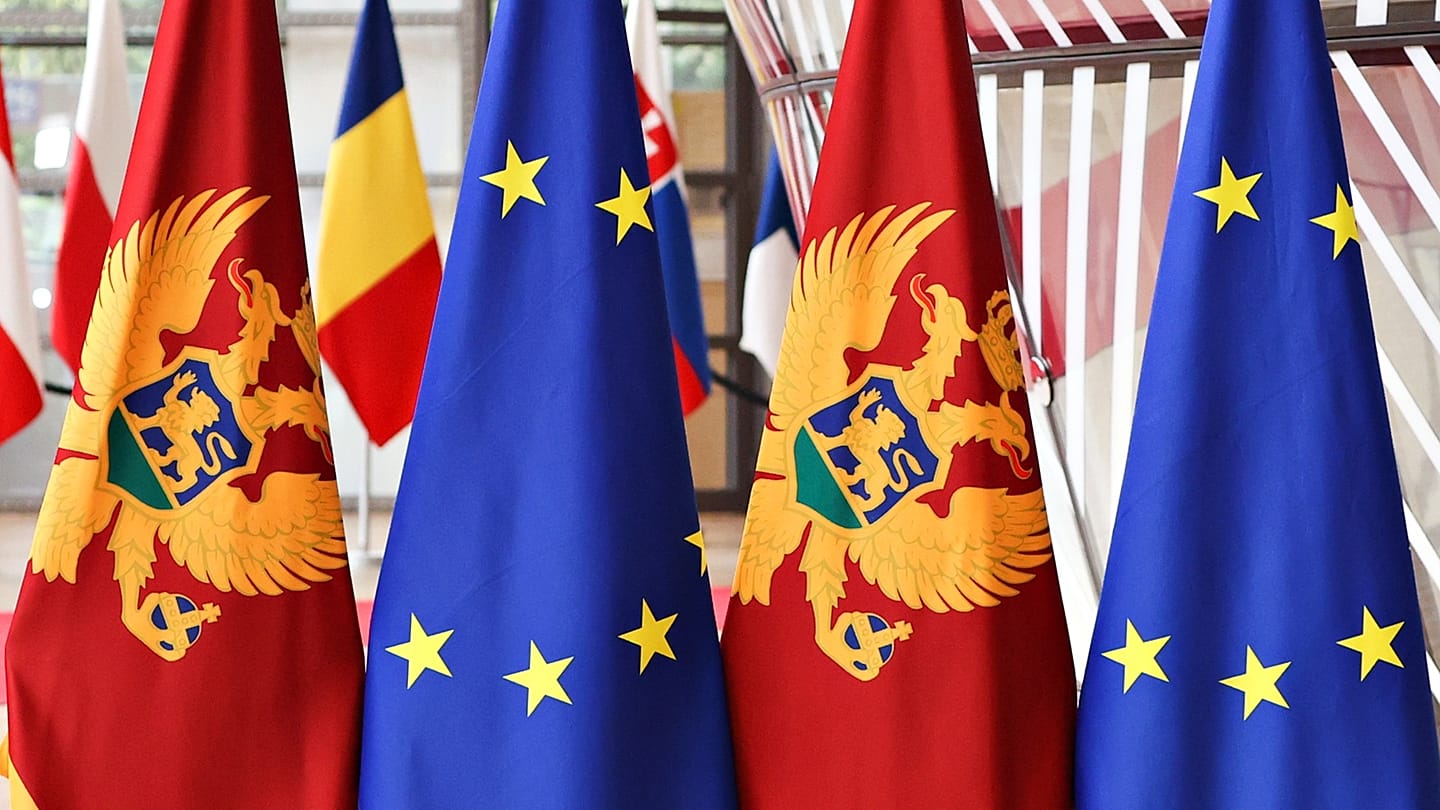
The paper references enhanced transitional periods for the Common Agricultural Policy and cohesion policy. It also suggests further transitions to limit disturbances from free movement of workers in labour markets, living standards and housing. Brussels is in the early stages of drafting Montenegro's accession treaty.
The document is timed to influence those talks so the Montenegro treaty becomes the blueprint for candidates including Ukraine, Moldova, Albania, North Macedonia and Serbia. The initiative responds to the experience with Viktor Orbán. Orbán was ousted in April after 16 years in office and repeatedly used vetoes that antagonised other leaders.