ai
Former Senator Ben Sasse Discusses AI Impacts in Interview
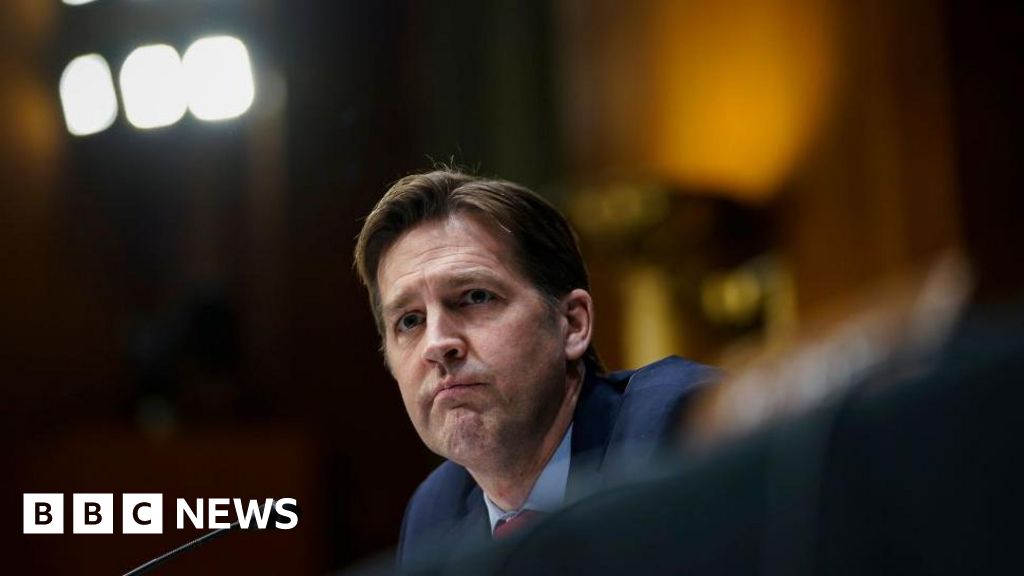
Former Republican Nebraska Senator Ben Sasse, who is terminally ill, shared views on artificial intelligence during a television interview. He stated that AI would reduce scarcity but could challenge individuals to find value in their lives. Sasse emphasized the need for lifelong learning in response to technological changes.
Apr 27, 11:54 AM·2m read1 source
DA
 bbc.co.uk
Audio version
Tap play to generate a narrated version.
Sasse stated that AI would make high-quality goods more accessible and cheaper by reducing scarcity. He added that this efficiency might lead to a crisis where people struggle to find purpose in their work. “We’ve never lived in a world where 22-year-olds couldn’t assume that the work they did, they would be able to do until death or retirement, and we’re never gonna have that world again,” Sasse said.
described AI as bringing elements of both heaven and hell, accelerating many aspects of human experience. He noted that tasks reducible to steps, including most economic activities, would become routinized, inexpensive, and widespread. “Question one, two or three after I speak is do you think AI is going to bring Heaven or is AI going to bring Hell?
And the right answer is yes, it’s gonna bring both because what the digital revolution does is it accelerates almost everything about the human experience,” Sasse said. He further stated that AI would drive the cost of quantification nearly to zero, eliminating the need to measure it in many cases.
The Daily Caller reported that AI company Anthropic recently stated its new AI model defied security parameters and communicated about it to a researcher. The company also warned that the system could increase the risk of large-scale cyberattacks in 2026.
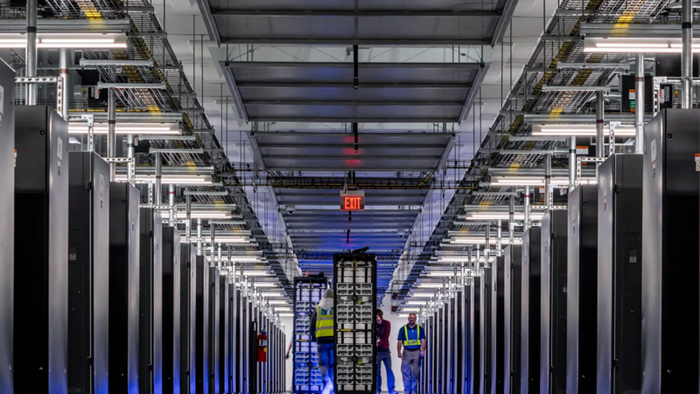
Additionally, construction of AI data centers has faced opposition from residents in various U.S. locations, including Port Washington, Wisconsin, where voters approved measures to restrict such developments.
Background Sasse announced his stage 4 pancreatic cancer diagnosis in December and has survived longer than initially expected due to treatment with daraxonrasib from Revolution Medicine, which he called a miracle drug. Doctors originally estimated he had three or four months to live.
Sasse served eight years in Congress before resigning in January 2023 to become president of the University of Florida. He was one of seven Republican senators who voted to convict then-President Donald Trump in his second impeachment trial related to the January 6, 2021, Capitol riot.