Substrate
science

Fossils of Ancient Reptile Reveal Early Evolution of Chest-Based Breathing

Mummified remains of Captorhinus, a small lizard-like reptile from 289 to 286 million years ago, preserve rib cages, cartilage and protein traces. These fossils show a flexible breathing apparatus similar to that in modern reptiles, birds and mammals. The discovery provides evidence of how early reptiles adapted to full-time land living through chest muscle pumping of air into lungs.

Science News
1 source·Apr 8, 3:00 PM(51 days ago)·2m read
|
Fossils of Ancient Reptile Reveal Early Evolution of Chest-Based Breathingsciencealert.com
Audio version
Tap play to generate a narrated version.

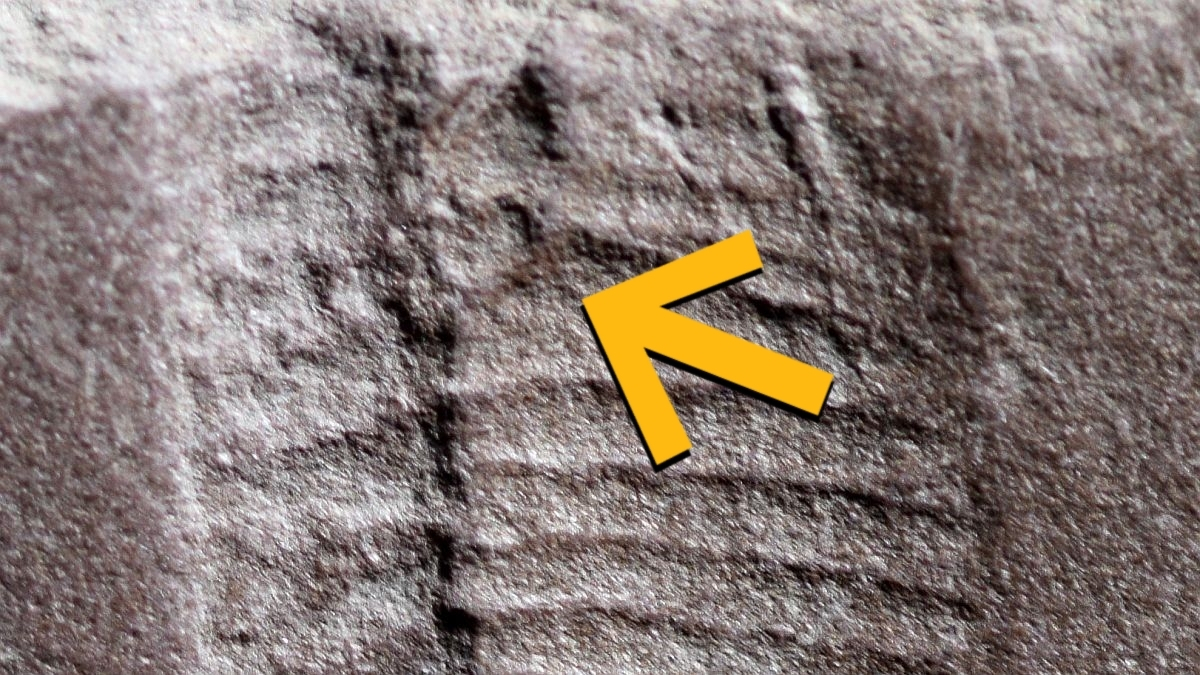
The mummified remains of two Captorhinus specimens, discovered in an Oklahoma cave system, date to between 289 million and 286 million years ago. Captorhinus was a land-dwelling vertebrate less than a meter long, comparable in size to a bearded dragon.

The fossils were preserved by crude oil and mineral-rich groundwater seeping into the bodies, along with fine mud encasement, retaining rib cages, ribs, cartilage and protein remnants.

Paleontologist Robert Reisz of the University of Toronto Mississauga and colleagues reported the findings online April 8 in Nature. The preservation allowed analysis of soft tissues rarely fossilized. Reptiles evolved from amphibian-like ancestors around 320 million to 310 million years ago, developing adaptations for full-time terrestrial life, including hard-shelled eggs.

vertebrates, such as amphibians, relied on methods tied to aquatic environments for gas exchange.

Amphibians breathe underwater through their skin and use jaw movements to pump air into rudimentary lungs. Fish and some sharks pump water across gills for respiration. Early reptiles developed a breathing mechanism using chest muscles to draw air into lungs, supporting sustained land habitation.

This apparatus is shared by modern reptiles, birds and mammals, including humans. The timing of this adaptation in the reptile lineage had remained unclear due to the scarcity of soft tissue fossils.

specimen includes a partial skull, shoulder elements, some ribs and a complete forelimb, with skin nearly covering the bones and flexible cartilage fragments on the neck, shoulders and rib cage.

The second specimen shows a flexible cartilaginous sternum and pairs of ribs. Researchers used neutron computed tomography to examine the fossils without damage, revealing how these elements formed a complete, flexible breathing structure. The preserved cartilage and sternum indicate Captorhinus could pump air into its lungs using chest muscles.


This structure resembles that in contemporary land vertebrates. The findings fill a gap in understanding the transition from amphibian to reptilian respiration.

The discovery provides the oldest known cartilage and protein remnants in such fossils, offering direct evidence of the breathing apparatus.

It clarifies evolutionary adaptations that enabled reptiles to thrive on land. Future studies may explore similar soft tissue preservation in other sites to trace further respiratory developments.

Key Facts

Captorhinus fossils
dated 289-286 million years old from Oklahoma cave
Preserved tissues
include cartilage and protein in rib cage and sternum
Breathing mechanism
used chest muscles to pump air into lungs like modern vertebrates
Reptile evolution
from amphibians around 320-310 million years ago

Story Timeline

3 events
  1. April 8, 2023

    Reisz and colleagues publish findings on Captorhinus fossils in Nature.

    1 sourceScience News
  2. 289-286 million years ago

    Captorhinus specimens die and become preserved in Oklahoma cave by oil and mud.

    1 sourceScience News
  3. 320-310 million years ago

    Reptiles evolve from amphibian-like ancestors with adaptations for land life.

    1 sourceScience News

Potential Impact

  1. 01

    Paleontologists may prioritize soft tissue analysis in future fossil studies.

  2. 02

    Research on ancient land transitions might expand to similar cave sites.

  3. 03

    Textbooks on vertebrate evolution could update sections on respiratory adaptations.

Transparency Panel

Sources cross-referenced1
Confidence score70%
Synthesized bySubstrate AI
Word count374 words
PublishedApr 8, 2026, 3:00 PM
Bias signals removed4 across 2 outlets
Signal Breakdown
Loaded 2Editorializing 2

Related Stories

WHO Director Visits Congo as Ebola Outbreak SpreadsNpr
science4 hrs ago

WHO Director Visits Congo as Ebola Outbreak Spreads

The head of the World Health Organization arrived in Kinshasa to support efforts against a rare Ebola strain. Health workers face equipment shortages, community distrust, and armed conflict in affected provinces.

Npr
France 24
2 sources
FDA Panel Recommends XFG Variant for Fall Covid Shotsmedpagetoday.com
science2 hrs agoDeveloping

FDA Panel Recommends XFG Variant for Fall Covid Shots

Replimune will submit an application to the FDA for the third time. Pfizer and Innovent Biologics reached a collaboration agreement valued at up to $10.5 billion.

Stat
1 source
Benzinga Publishes Article on Biotech Stocks During Pandemic Recoveryfinance.yahoo.com
science6 hrs agoDeveloping

Benzinga Publishes Article on Biotech Stocks During Pandemic Recovery

Benzinga published an article titled 'Best Biotech Stocks Right Now' that addresses the sector's position during global recovery from the pandemic. The piece notes government institutions and professional traders are focusing on biotech companies for vaccine and booster developme…

Benzinga
1 source