Topic
fossil discovery
7 stories related to this topic, newest first.
 hothardware.com
world14 days ago
Scientists Identify Rare Dinosaur Fossil Found in Antarctica
Researchers located a previously overlooked dinosaur fossil that had been stored in a drawer for decades. The specimen came from an Antarctic expedition and adds to the limited record of dinosaurs from the continent.
AB
world15 days ago
Scientists Identify First Dinosaur Bone Found in Antarctica
A tail bone collected in 1985 on James Ross Island and stored for decades has been confirmed as the first dinosaur fossil from Antarctica. Researchers matched the specimen to a titanosaur, a long-necked plant-eating dinosaur.
 Substrate placeholder — needs review
world91 days ago
Seven-Year-Old Girl Discovers Potential 500,000-Year-Old Mammoth Bone on Suffolk Beach
A seven-year-old girl from Ipswich found a bone on Felixstowe beach that experts believe dates to the Pleistocene era, possibly from a woolly mammoth. The discovery occurred during a family outing on Easter Saturday. The bone is under examination to confirm its origin and age.
Substrate placeholder — needs reviewworld94 days ago
Fossil Embryo Confirms Egg-Laying Reproduction in Mammalian Ancestors from 250 Million Years Ago
Scientists have identified a 250-million-year-old fossilized embryo of Lystrosaurus in South Africa, providing the first definitive evidence that therapsids, ancestors of mammals, laid eggs. The specimen, discovered in 2008, was analyzed using advanced X-ray scanning to reveal an…
Substrate placeholder — needs reviewscience95 days ago
Fossil Jawbone and Teeth in Egypt Identified as New Early Ape Species from 17 Million Years Ago
Fragments of a jawbone and teeth discovered in Egypt have been classified as a new species of early ape, Masripithecus moghraensis. The fossils date to approximately 17 million years ago. This finding provides additional evidence on the distribution of early apes in Africa during…
NE
 sciencealert.com
science96 days ago
Fossils of Ancient Reptile Reveal Early Evolution of Chest-Based Breathing
Mummified remains of Captorhinus, a small lizard-like reptile from 289 to 286 million years ago, preserve rib cages, cartilage and protein traces. These fossils show a flexible breathing apparatus similar to that in modern reptiles, birds and mammals. The discovery provides evide…
 discovermagazine.com
science97 days ago
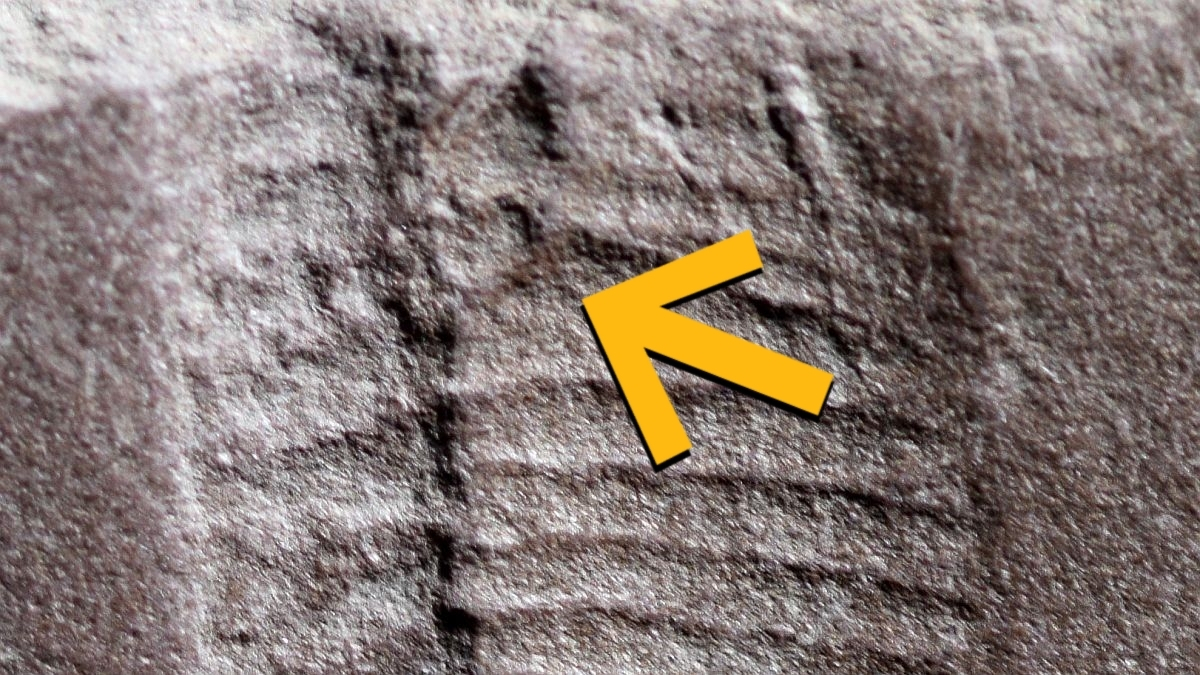
Cambrian Fossil Reveals Origin of Chelicerates with Chelicera Structures
Researchers have identified a fossil arthropod from the Cambrian period that bears chelicerae, indicating the early origin of chelicerates. The specimen, named Houxilingia, was found in South China and dates to approximately 518 million years ago. This discovery provides evidence…
NA