Fuel Shortages Drive Electric Vehicle Adoption in Africa Led by Ethiopia
Africa imported 44,358 electric vehicles from China in 2025, up from 19,386 the previous year. Ethiopia accounted for a third of those imports after banning new gasoline and diesel vehicle imports in 2024 and now has more than 115,000 EVs on its roads. Officials are accelerating the shift to reduce reliance on imported fuel amid disruptions linked to the Iran war.
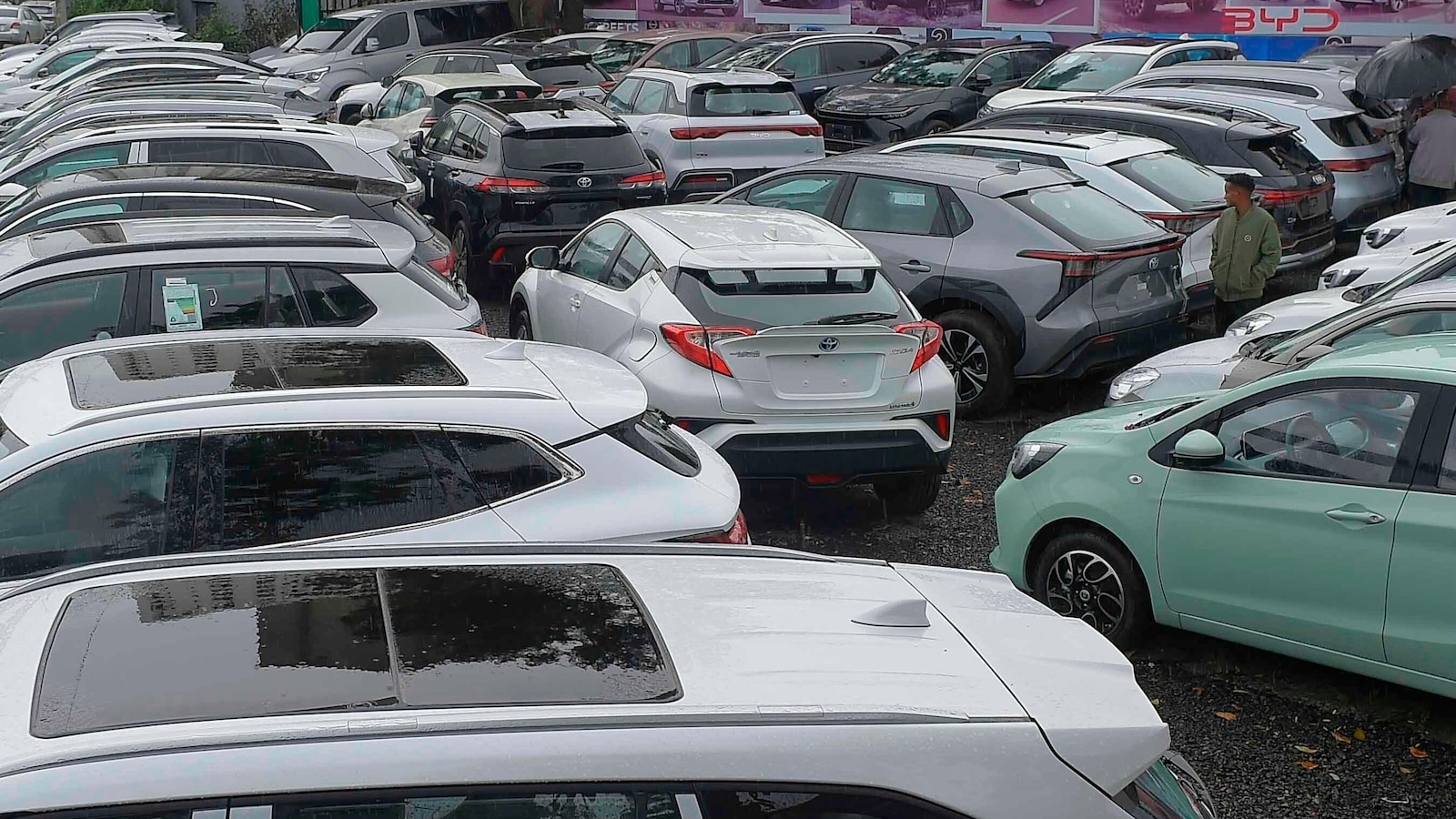
Abc NewsUse of electric vehicles is increasing across Africa, with Ethiopia recording the largest gains as fuel shortages and high prices have prompted a shift toward alternatives. The continent imported 44,358 electric vehicles from China in 2025 according to data from China’s Commerce Ministry, compared with 19,386 in 2024.
The shipments were valued at more than $200 million. Ethiopia received about one-third of the 2025 total after it banned imports of new gas and diesel-powered vehicles the year before. More than 115,000 electric vehicles are now on Ethiopian roads, making up roughly 8 percent of the national fleet.
The country spends about $4.2 billion annually on fuel imports, which has strained foreign currency reserves.
As the Iran war continues, Ethiopia has faced fuel shortages that have affected transport and daily life. Shipments fell short by more than 180,000 metric tons after imports were disrupted by the closure of the Strait of Hormuz, a route that carries about one-fifth of oil from the Gulf region.
The government spends up to $128 million per month on fuel subsidies. Officials have intensified efforts to expand electric vehicle use as a way to limit exposure to external supply shocks and strengthen energy security. Ethiopia generates more than 90 percent of its electricity from renewable sources, mainly hydroelectric and solar power.
The Grand Ethiopian Renaissance Dam is expected to double the country’s power generation capacity.
Hiten Parmar, executive director of the South African-based The Electric Mission, said replacing imported fuel with domestically generated electricity strengthens energy security. >"From a general perspective, it is sustainable. " — Hiten Parmar (Abc News) Bob Wesonga, policy and investments lead at the Africa E-Mobility Alliance, said the transition has produced measurable savings for vehicle owners.
A private EV owner now spends about $4 a month on charging compared with roughly $27 previously spent on fuel. Charging infrastructure remains concentrated in the capital Addis Ababa and along a few major corridors. Frequent blackouts and delays in connecting high-capacity stations have slowed expansion even as demand grows.
Scaling ultra-fast charging hubs nationwide will require additional time and investment.
Seventeen electric vehicle assembly plants are in the pipeline in Ethiopia, with plans to increase that number to 60 by 2030. The strategy aims to localize production and lower costs over time. Affordability continues to limit broader uptake. Purchase prices for electric vehicles remain high relative to average incomes, and restrictions on fossil-fuel vehicles have increased the cost of used cars.
Officials in Egypt, South Africa and Morocco are also pursuing policies that combine incentives, manufacturing investment and clean energy development. The International Energy Agency estimates that electric vehicles displaced more than 1 million barrels of oil consumption per day globally in 2024.
Key Facts
Story Timeline
5 events- 2024
Ethiopia banned new imports of gasoline and diesel vehicles.
1 sourceAbc News - 2024
Global electric vehicles displaced over 1 million barrels of oil per day.
1 sourceAbc News - 2025
Africa imported 44,358 EVs from China valued at over $200 million.
1 sourceAbc News - 2025
Ethiopia reached more than 115,000 EVs on its roads.
1 sourceAbc News - 2026
Fuel shortages continue amid ongoing Iran war and Strait of Hormuz closure.
1 sourceAbc News
Potential Impact
- 01
Charging infrastructure shortages outside Addis Ababa could limit nationwide EV growth.
- 02
Ethiopia may reduce its annual $4.2 billion fuel import bill by substituting domestic renewable electricity.
- 03
Higher used combustion vehicle prices may affect lower-income drivers during the transition.
- 04
Seventeen new EV assembly plants could create localized manufacturing jobs by 2030.
- 05
Egypt, South Africa and Morocco may expand similar EV policies and manufacturing.
Transparency Panel
Related Stories
EuronewsEU Bars Airlines From Adding Fuel Surcharges After Ticket Purchase
The European Commission ruled that airlines cannot add fuel surcharges to tickets already sold in the EU, even as jet fuel prices have more than doubled since the Iran conflict began in February. The guidance follows Spanish carrier Volotea applying such fees of up to €14.
Substrate placeholder — needs reviewCyberattack Disrupts Canvas Platform Used by Schools Across U.S.
A cyberattack forced the shutdown of the Canvas online education platform on Thursday, affecting K-12 schools and universities nationwide. The platform, which supports course materials, assignments, grading and communication, began coming back online late Thursday but left many i…
EU Entry-Exit Biometric System Operational in Most Member States
The European Commission confirmed that Portuguese and Italian authorities will not exempt British nationals from the Entry-Exit System despite long queues and missed flights at airports. Greece has suspended biometric checks for UK visitors until September.