science
Galleri Blood Test Shows No Significant Reduction in Advanced Cancers but Cuts Stage 4 Diagnoses by 14% in Large NHS Trial
A multi-cancer early detection blood test did not reduce late-stage diagnoses when added to standard screening. Data were presented at the American Society of Clinical Oncology meeting in Chicago.
May 30, 8:16 AM·2m read1 source
 prnewswire.com
Audio version
Tap play to generate a narrated version.
Developing·Limited corroboration so far. This page will refresh as more sources emerge.
A blood test designed to detect more than 50 types of cancer failed to meet its main goal in the world’s first large randomised trial of a multi-cancer early detection test. The trial, which enrolled 142,942 NHS patients in the UK aged 50 to 77 with no cancer symptoms, found no statistically significant reduction in stage three and stage four diagnoses among participants who received the Galleri test in addition to standard screening.
Data from the study were presented on Saturday at the American Society of Clinical Oncology’s annual meeting in Chicago.
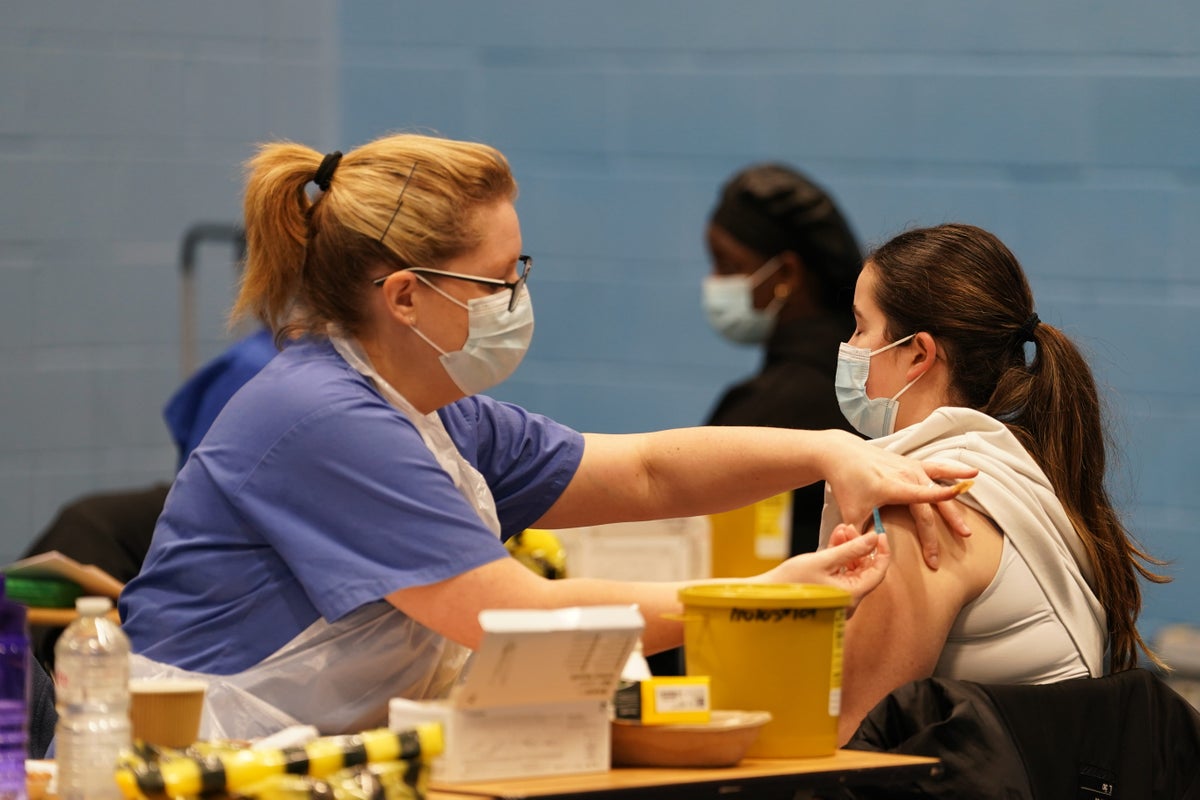
Every participant had blood drawn once a year for three years and underwent the recommended cancer screening tests. Half of the participants had their blood samples analysed with the Galleri test; the other half served as the control group and did not receive the test.
Participants who tested positive with Galleri were referred for diagnostic workup, as were all participants in both groups who later developed cancer symptoms.
The trial’s combined primary endpoint measured stage three and stage four diagnoses across a pre-specified group of 12 cancers. The results showed no statistically significant difference in advanced cancers between the two groups. Grail, the California-based company that developed the test, said on Saturday that it remained encouraged by other findings.
Researchers pointed to a 14% reduction in stage four cancers alone among those who received the Galleri test. “Galleri represents a potential transformational shift in cancer detection,” said Harpal Kumar, Grail’s chief scientific officer and a former chief executive of Cancer Research UK.