science
Health advisers recommend MenB vaccine booster for UK teenagers
The Joint Committee on Vaccination and Immunisation advised adding a teenage booster dose to the national schedule. The change follows an outbreak in Kent that killed two teenagers earlier in 2026.
Jul 16, 9:34 AM·2m read3 sources

 The Independent
Audio version
Tap play to generate a narrated version.
Developing·Limited corroboration so far. This page will refresh as more sources emerge.
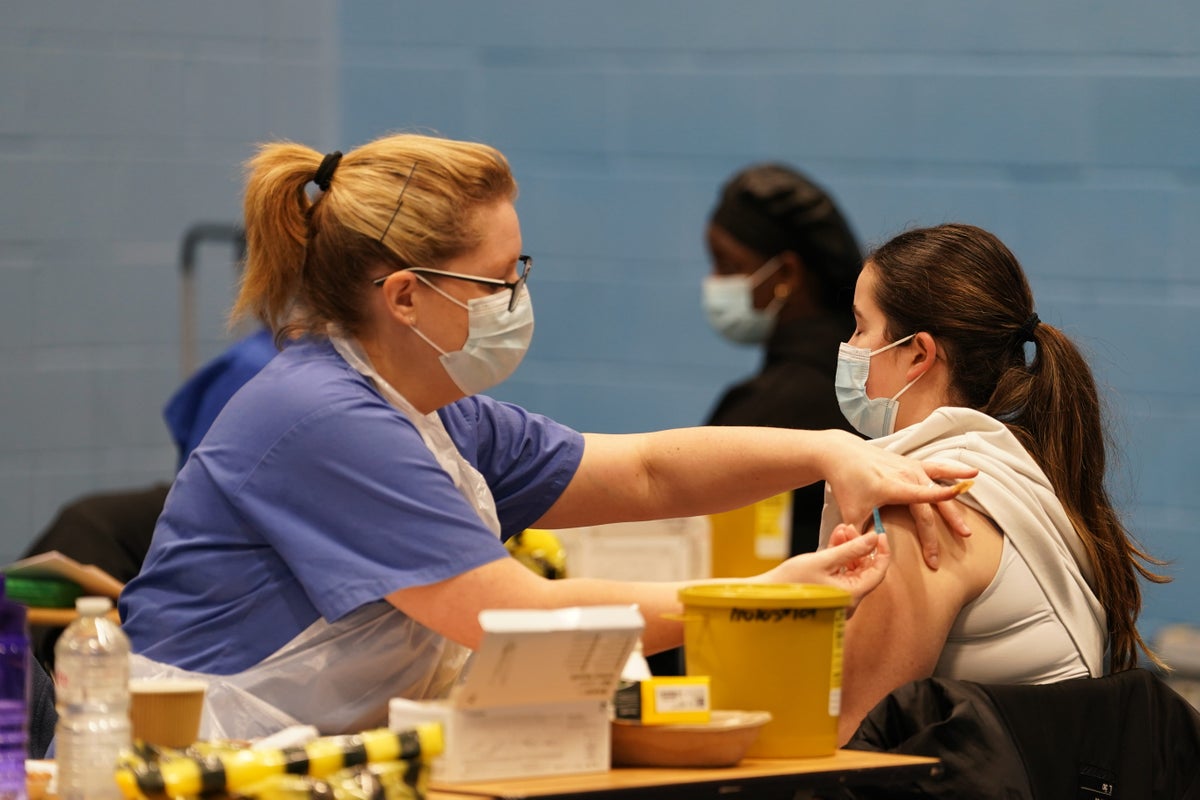
The Joint Committee on Vaccination and Immunisation recommended that all teenagers receive the MenB vaccine on the NHS at around age 15. The advice includes a single booster dose for those born on or after 1 May 2015 who received the vaccine as infants and two doses for children born on or before 30 April 2015 who missed the infant programme.
The committee based its position on recent evidence and reversed its earlier conclusion that routine teenage vaccination was neither necessary nor cost-effective. Government approval is required before any programme can begin.
Outbreak prompts emergency rollout An outbreak of meningitis B in Kent earlier in 2026 killed two teenagers and was the largest and fastest-growing such event in the UK that year. In response, the NHS launched a one-off summer programme offering two doses to roughly one million Year 13 pupils and people under 25 entering university or residential further education.
First doses begin on 20 July 2026 and second doses follow in August. Two doses given at least 28 days apart provide full protection.
Transmission risks and disease impact Close contact in halls of residence and at social events raises transmission risk, and cases typically peak in October and November. Prof Wei Shen Lim, chair of the Joint Committee on Vaccination and Immunisation, said invasive meningococcal disease is a rare but very serious illness that can have a devastating impact on lives.
“Invasive meningococcal disease is a rare but very serious illness that can have a devastating impact on lives." — Prof Wei Shen Lim, chair of the Joint Committee on Vaccination and Immunisation The committee consulted meningitis charities and individuals affected by the disease, including those who died or suffered life-changing complications. MenB infection can cause meningitis and sepsis and may result in amputations, hearing loss, brain damage or death. All babies born on or after 1 July 2015 already receive the vaccine as part of the childhood immunisation schedule, but teenagers and young adults over age 11 have not been covered until now. The first group eligible for the booster under the new recommendation will turn 15 in 2030.”