General Motors proposes using electric vehicles and batteries to support U.S. power grid
General Motors outlined plans at a San Francisco event to aggregate its electric vehicles and stationary batteries as grid resources. The company is developing software and new battery chemistries while competing with Ford on different approaches to energy storage.
 foxbusiness.com
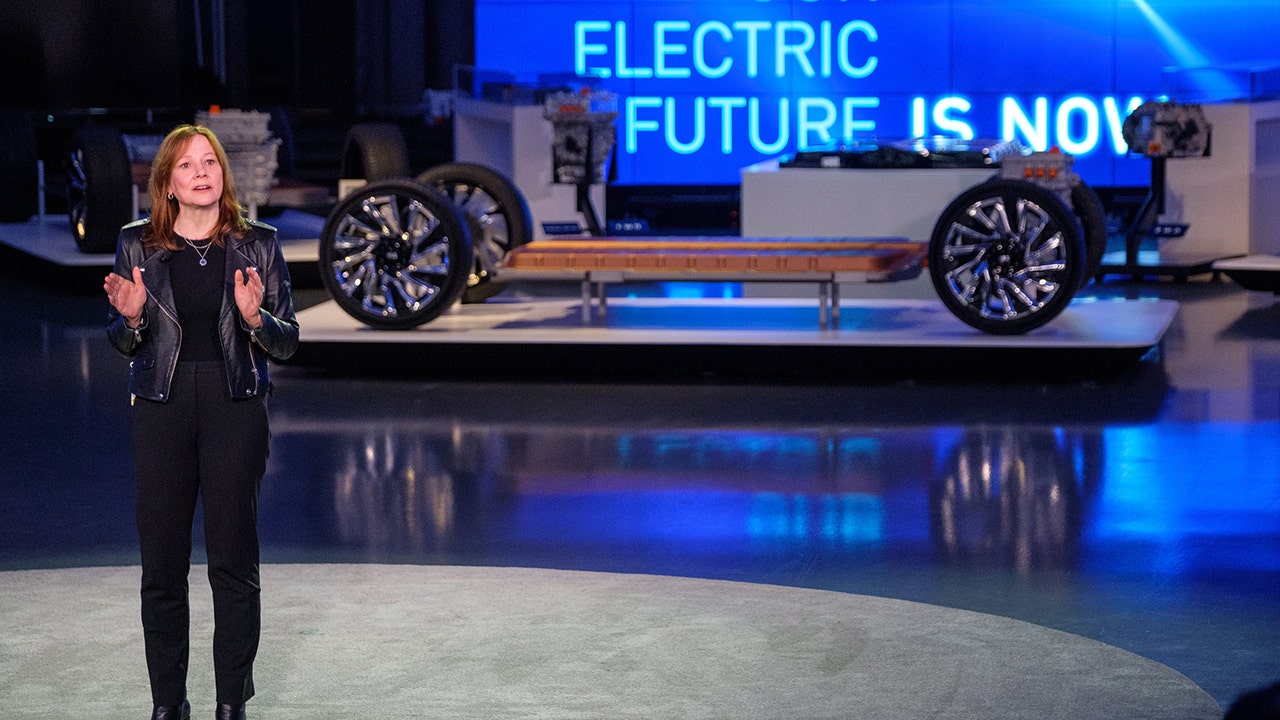
General Motors presented plans Tuesday to position its electric vehicles and batteries as resources for the U.S. electric grid. The company said more than 250,000 of its vehicles already support bidirectional charging and that a firmware update will allow those systems to send power back to the grid.
The automaker is also developing sodium-ion batteries with Peak Energy and using its Ultium Cells joint venture to produce LFP storage cells. A 7.2 MWh second-life battery system at a Michigan plant is projected to save more than $3 million over its lifetime.
Software and charging access General Motors launched Energy Pass, a single interface in its myChevrolet, myCadillac, and myGMC apps. The system allows drivers to locate, start, and pay for charging across multiple networks that together cover nearly 70 percent of accessible U.S. DC fast chargers.
The same app is intended to manage home backup, schedule charging, and enroll vehicles in utility programs that compensate owners for grid support.
Ford pursues different strategy Ford created a separate Ford Energy unit focused on manufacturing lithium iron phosphate storage systems. The company has signed a five-year framework agreement with EDF’s North American power arm for up to 20 GWh of grid-scale systems, with deliveries scheduled to begin in 2028.
General Motors estimates its current bidirectional-capable fleet could theoretically supply power to roughly 120,000 homes for up to a week. The company is urging regulators to streamline interconnection rules and redesign rates to compensate vehicle owners.
Both companies are targeting data-center and utility demand as growth markets while navigating regulatory requirements that treat utilities as regulated monopolies.