Substrate
finance

Global Bonds Sell Off and Oil Prices Rise as Markets React to Geopolitical Developments

Government bonds around the world sold off sharply on Friday while oil prices jumped more than 4 percent. The moves followed developments related to the Iran war, politics and trade talks. U.S. stocks fell in early trading with the S&P 500 down 1 percent.

Nbc News
1 source·May 15, 3:15 PM(14 days ago)·2m read
|
Global Bonds Sell Off and Oil Prices Rise as Markets React to Geopolitical DevelopmentsNbc News
Audio version
Tap play to generate a narrated version.
Developing·Limited corroboration so far. This page will refresh as more sources emerge.

Government bonds around the world sold off sharply on Friday as the price of oil jumped. Both moves were driven by developments tied to the Iran war, politics and trade. The yield on the 30-year U.S. Treasury bond rose above 5.12 percent, its highest level in nearly a year.

If it closes above that level it would mark the highest close since 2007. On Wednesday the Treasury sold 30-year bonds above 5 percent for the first time since 2007. The 10-year Treasury note yield also rose to nearly 4.56 percent, its highest level since mid-May of last year.

U.S. crude oil rose more than 4 percent to above $105 a barrel, bringing its gain for the week to more than 9 percent. International Brent crude increased nearly 3.5 percent to over $109 a barrel and has gained 7 percent this week. The moves gained momentum as discussions continued over a summit with Chinese officials in Beijing that has produced few major trade agreements.

Stocks dropped in early trading with the S&P 500 sliding 1 percent, the Nasdaq Composite falling 1.3 percent and the Dow Jones Industrial Average declining 430 points. The rise in oil threatens to push retail gas prices higher while higher bond yields could lead to increased consumer lending rates.

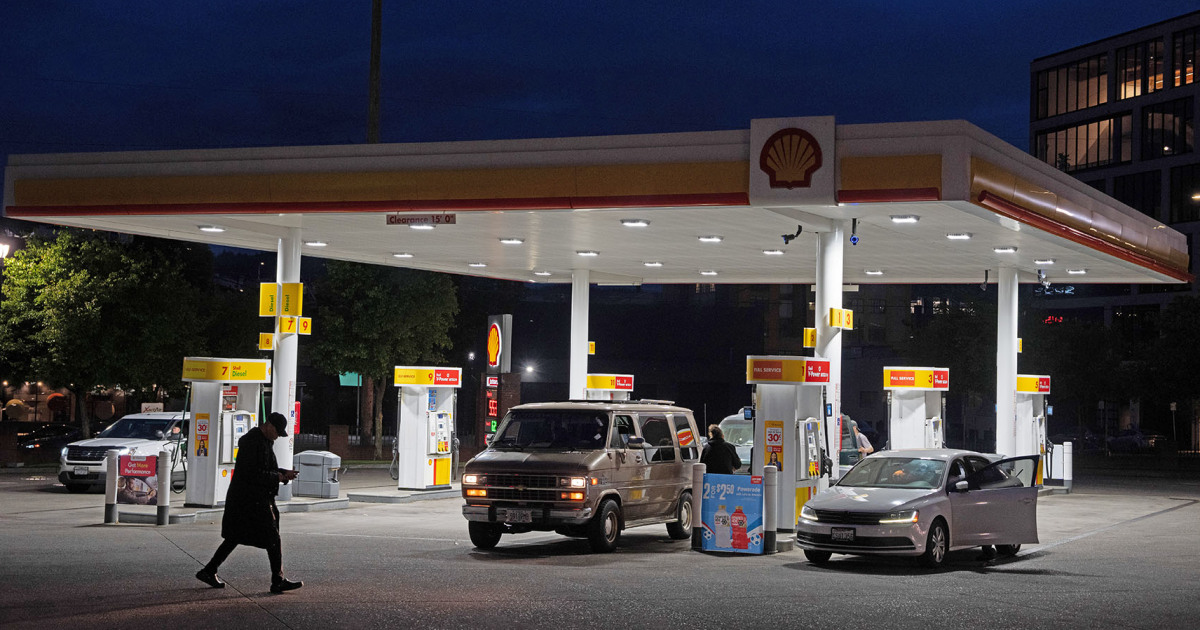
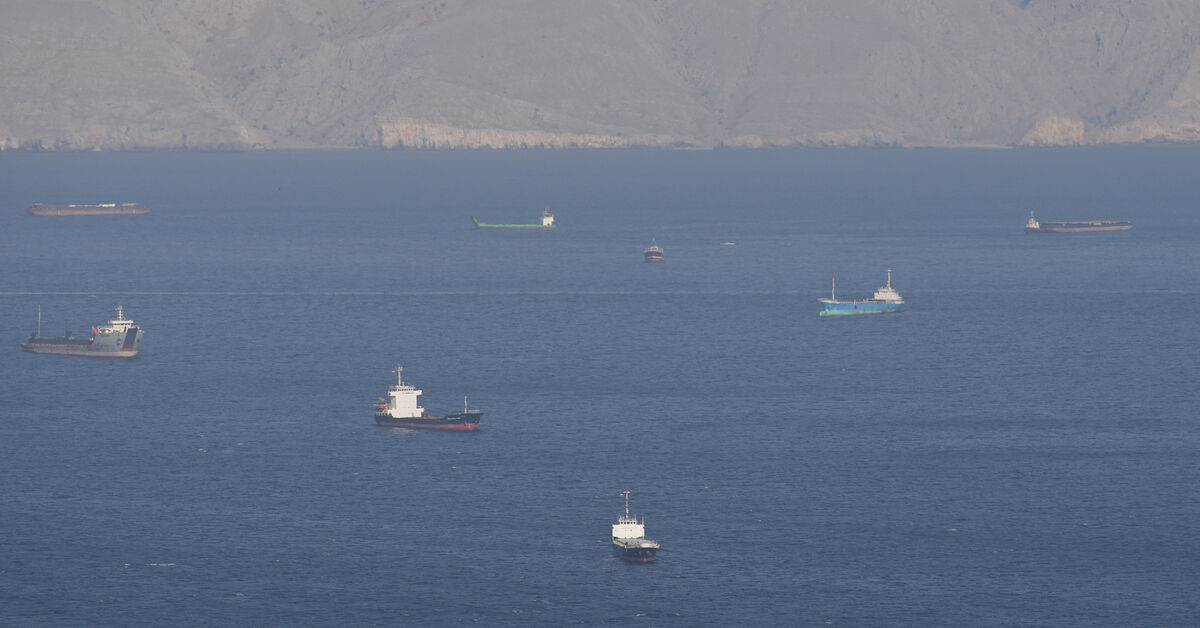
As of Friday morning the average price of unleaded gas remained above $4.50 a gallon, up 51 percent since the Iran war began on Feb. 28. The closure of the Strait of Hormuz has halted vessel traffic that previously carried more than 20 percent of the world's daily energy supply.

Oil prices have surged more than 80 percent this year. The Consumer Price Index for April reached 3.8 percent, its highest level in three years, while an index measuring wholesale prices hit 6 percent last month.
Discussions during the summit with Chinese officials produced limited details on new business or trade deals. Officials said the delegations talked about creating a board of trade but offered few specifics. The status of an existing U.S. trade truce with China that eased export controls and lowered tariffs remains unclear and the truce expires in November.

U.S. officials have given conflicting answers on whether China will play a larger role in reopening the Strait of Hormuz. The president said he did not ask China's leader to use leverage over Iran to reopen the waterway. Officials also provided no details on any potential agreement for China to purchase Boeing planes.

Europe sold off with the Stoxx 600 falling 1.5 percent while benchmark indexes in Germany and Italy declined more than 2 percent. In Japan the 10-year government bond yield rose to its highest level since 1999 and German bund yields reached their highest since 2011.

European natural gas futures rose more than 4 percent early Friday after climbing more than 80 percent so far this year. Anxiety over inflation has increased in European and Asian economies as energy prices continue to climb.

Key Facts

30-year Treasury yield
rose above 5.12 percent
U.S. crude oil
up over 4 percent to $105
S&P 500
fell 1 percent in early trading
Unleaded gas average
above $4.50 per gallon
April CPI
reached 3.8 percent

Story Timeline

4 events
  1. 2026-05-16

    Global bonds sold off and oil prices jumped on geopolitical developments.

    1 sourceNbc News
  2. 2026-05-15

    U.S. officials discussed limited trade outcomes from Beijing summit.

    1 sourceNbc News
  3. 2026-05-14

    Nvidia CEO joined trade trip raising then dashing chip control hopes.

    1 sourceNbc News
  4. 2026-02-28

    Iran war began causing Strait of Hormuz closure and oil surge.

    1 sourceNbc News

Potential Impact

  1. 01

    Higher oil prices are likely to increase retail gasoline costs for consumers.

  2. 02

    Rising bond yields may lead to higher borrowing rates on consumer loans.

  3. 03

    Persistent energy price increases could add to inflationary pressure.

  4. 04

    European and Asian bond markets experienced higher yields amid energy concerns.

Transparency Panel

Sources cross-referenced1
Confidence score65%
Synthesized bySubstrate AI
Word count503 words
PublishedMay 15, 2026, 3:15 PM
Bias signals removed1 across 1 outlet
Signal Breakdown
Editorializing 1

Related Stories

SEC Chair Paul Atkins Says Congress Will Pass Crypto Legislationibtimes.com
finance29 min agoDeveloping

SEC Chair Paul Atkins Says Congress Will Pass Crypto Legislation

SEC Chair Paul Atkins stated he is confident Congress will pass crypto market structure legislation. He added that President Trump will sign the bill into law.

WA
BI
2 sources
Iran Says Strait of Hormuz Management Belongs to Iran and Omanasiaone.com
finance29 min agoDeveloping

Iran Says Strait of Hormuz Management Belongs to Iran and Oman

Iran's Foreign Ministry spokesperson stated that control of the Strait of Hormuz must be decided solely by Iran and Oman. The spokesperson also said no agreement has been reached with the United States and that current focus remains on ending the war.

DE
LI
ZE
IN
4 sources
Fed Official Highlights Regulatory Barriers to AI Productivity Gainscnbc.com
finance29 min agoDeveloping

Fed Official Highlights Regulatory Barriers to AI Productivity Gains

A Federal Reserve official stated that productivity growth remains key to economic expansion and that regulatory hurdles are the main obstacle to sustained gains from artificial intelligence.

FI
FI
2 sources