technology
Google Releases Fitbit Air Screenless Health Tracker
Google introduced the Fitbit Air, a screenless wearable that tracks activity, sleep and readiness through the new Google Health app. The device competes with Whoop and other wrist-worn trackers that lack displays.
May 26, 9:00 AM·1m read1 source
 Engadget
Audio version
Tap play to generate a narrated version.
Developing·Limited corroboration so far. This page will refresh as more sources emerge.
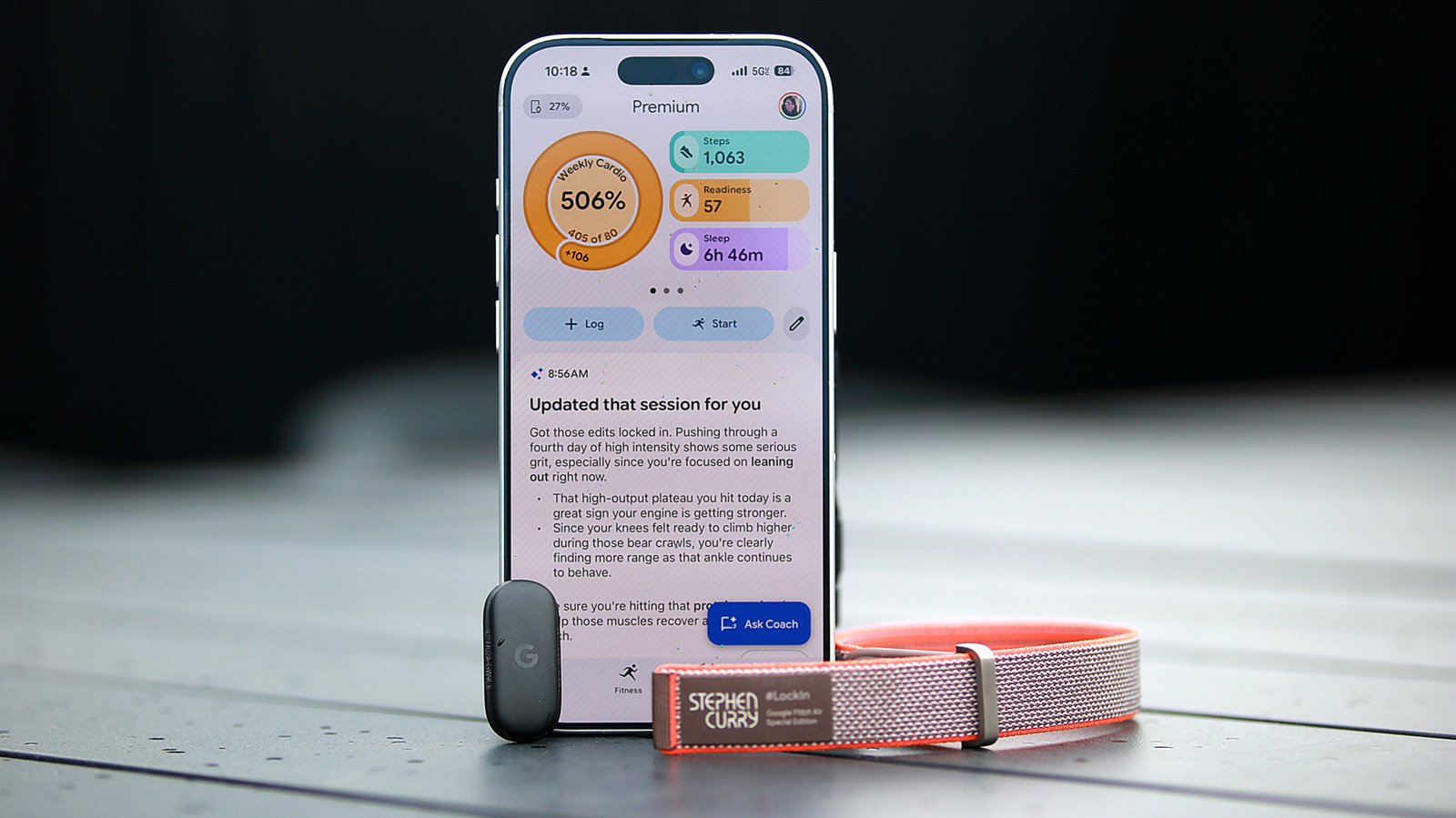
Google released the Fitbit Air, a screenless activity tracker designed to compete with Whoop and similar devices. The tracker measures heart rate, sleep stages, steps and a readiness score, then presents the data in the Google Health app. The hardware measures 34.9 by 17 by 8.3 millimeters and weighs 5.2 grams without a band.
It contains an optical heart-rate sensor, an LED indicator and a vibration motor for alarms. Battery life is rated at about seven days.
The Google Health app displays daily metrics in a swipeable carousel and lists AI-generated summaries of sleep, activity and overall readiness. An AI Coach feature, powered by Gemini, offers workout feedback and can adjust logged exercise details. Users interact with the device by tapping it twice to dismiss alarms or check battery level.
The tracker can be inserted into any of three supplied bands, including a performance loop band.
Google has not announced pricing or a release date for the Fitbit Air. The company said the device is intended to expand its presence in the screenless wearable category that Whoop entered in 2015.


