science
Home Battery Installations in UK and US Rose Sharply Last Year amid Higher Peak Prices
More than 40,000 UK homes and businesses added battery systems last year. Installations in the US rose 75 percent in 2025 while Germany reached more than 2 million units.
 theconversation.com
Audio version
Tap play to generate a narrated version.
Developing·Limited corroboration so far. This page will refresh as more sources emerge.
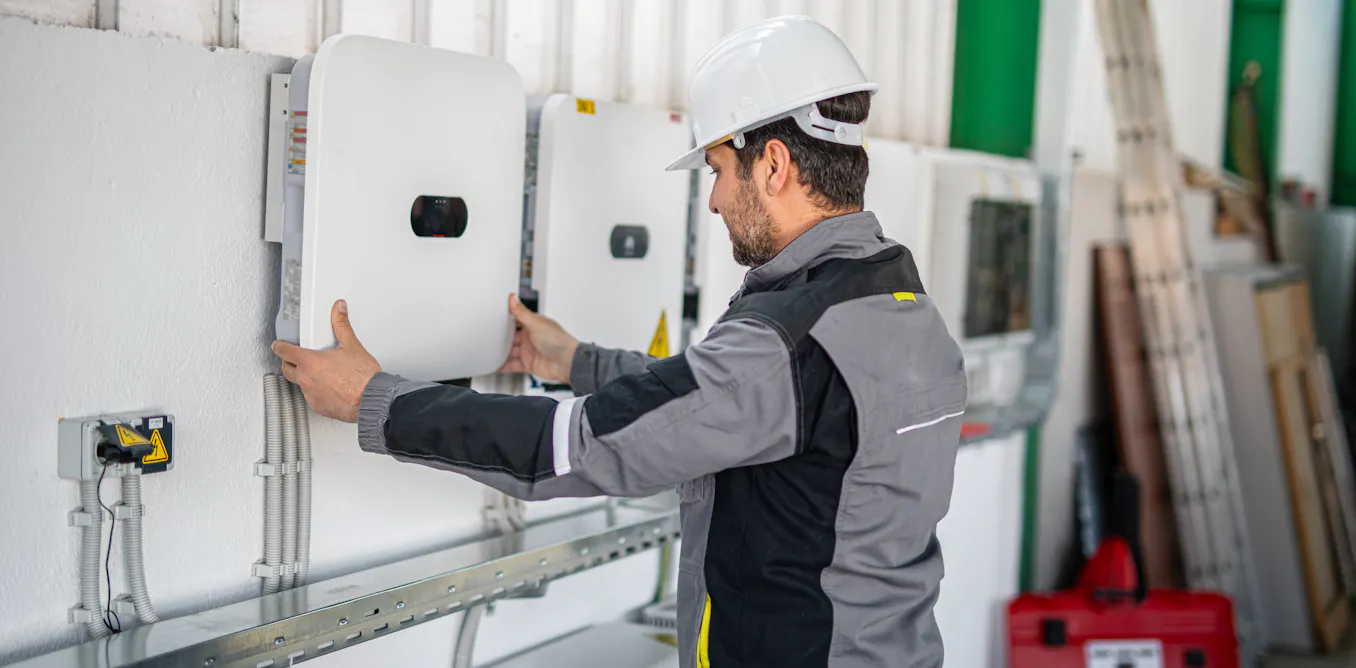
Home battery installations increased rapidly in several countries last year as households sought to store low-cost electricity and reduce exposure to higher peak prices. More than 40,000 homes and small businesses in the UK installed battery systems in the most recent year, nearly doubling the prior record.
Octopus Energy reported that its combined solar and battery installations doubled between February and March after the Iran war disrupted energy supplies, and remained above pre-war levels even after Britain’s energy regulator announced an increase in the state price cap.
In the US, home battery installations rose 75 percent in 2025. Germany now has more than 2 million home batteries, with one in six homeowners owning one. Battery storage is the world’s fastest-growing power technology, the International Energy Agency stated.
On variable tariffs in Britain, electricity can cost as little as 5 pence per kilowatt-hour during off-peak hours and 40 pence during the 4-to-7 pm peak. Air conditioning demand during the current heatwave pushed peak prices to nearly 50 pence. The average UK battery system costs £9,400.
Octopus plans a plug-in battery that will cost less than £300, measure the size of a shoebox and store 2 kilowatt-hours. The company expects regulatory approval for consumer use in 2027. “You’re going to get return on investment in two to three years,” said Phil Steele at Octopus.
Iain Staffell at Imperial College London said low-cost plug-in batteries could open the market to many more users. Home batteries also reduce the need for gas-fired generation during peaks and can store surplus renewable output that would otherwise be curtailed.