politics
House Committee Approves Ratepayer Protection Act for Data Centers
The House Energy and Commerce Committee unanimously voted Tuesday to advance the Ratepayer Protection Act. The measure requires large data centers to cover costs of grid upgrades.
Jul 21, 12:02 PM·1m read1 source
 Washington Examiner
Audio version
Tap play to generate a narrated version.
Developing·Limited corroboration so far. This page will refresh as more sources emerge.
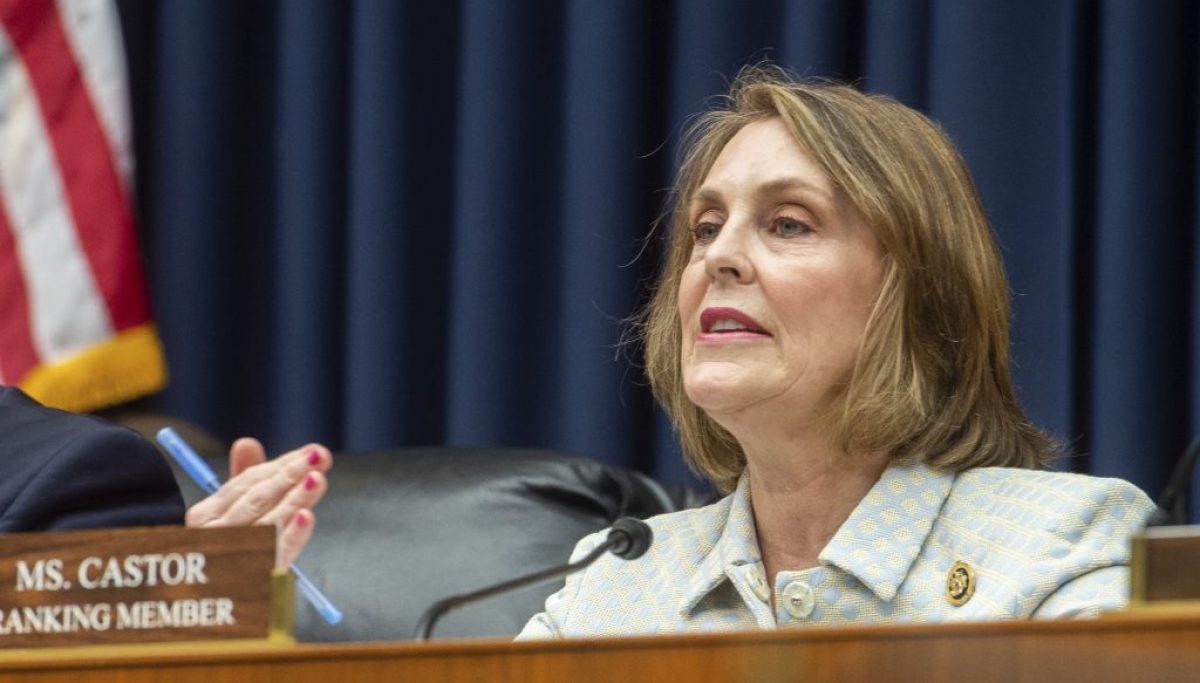
The House Energy and Commerce Committee unanimously approved the Ratepayer Protection Act on Tuesday, Washington Examiner reported. The bill, introduced by Rep. Kathy Castor (D-FL) and Rep. Gabe Evans (R-CO), requires state regulators to set standards ensuring new data centers and hyperscalers consuming more than 100 megawatts of electricity cover costs of new generation, transmission, and infrastructure upgrades.
Rep. Gabe Evans said large data centers can cover the full incremental cost of any generation, transmission, or distribution upgrades needed to meet their high energy demand. He added that the bill offers a thoughtful federal standard for states to consider rather than imposing a federal mandate.
Data centers are expected to account for about 20% of U.S. electricity consumption in 2035, up from 5.9%, according to BloombergNEF. Rep. Diana DeGette (D-CO) said the bill fails to address data center water consumption. On average, a large data center uses an estimated 5 million gallons of water per day.
Last month, committee ranking member Rep. Frank Pallone (D-NJ) called for a national moratorium on data centers. Rep. Alexandria Ocasio-Cortez (D-NY) has also called for a moratorium, and Sen. Bernie Sanders (I-VT) introduced a bill in March to pause new data center development.
A companion bill was introduced Monday by Sen. John Husted (R-OH). He said the Ratepayer Protection Act would keep America globally competitive while protecting Ohioans and Americans from higher electricity bills.
The legislation is similar to the White House’s March ratepayer protection pledge. Under that pledge, Google, Microsoft, and Amazon vowed to secure their own power when constructing data centers. The Trump administration is reportedly seeking to expand the pledge to utility companies, data center developers, and governors.