Indonesia's Nickel Mining Expansion Brings Jobs and Environmental Changes to Sulawesi
Indonesia now produces more than half the world's nickel supply after rapid industry growth over the past decade. Most output goes to stainless steel production while the remainder supplies batteries for electric vehicles and data centers. NPR visited six locations in Sulawesi where residents described both economic benefits and concerns about pollution and marine ecosystem impacts.
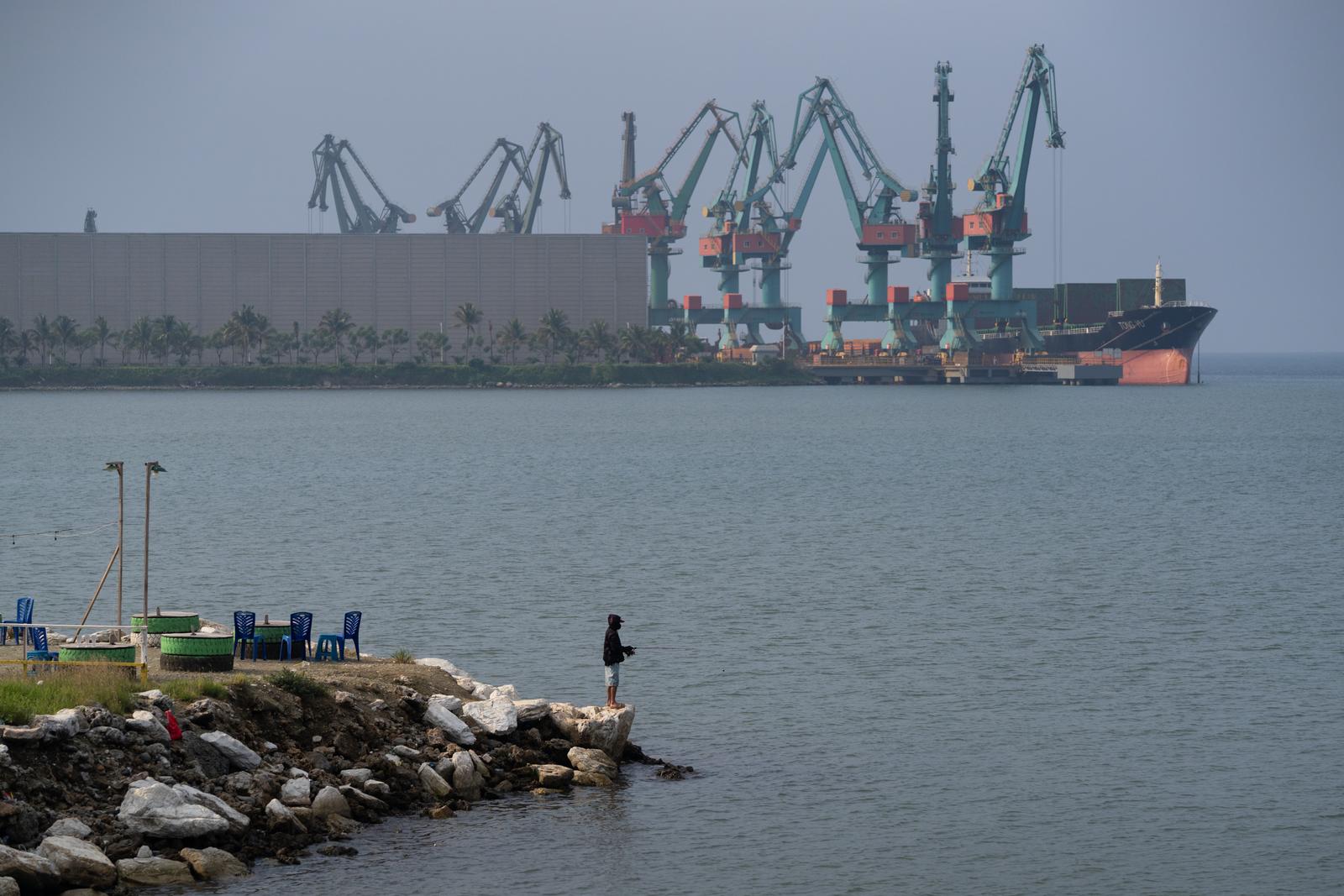 Npr
NprIndonesia has rapidly expanded its nickel industry over the past decade and now produces more than half the world’s nickel supply, according to government data. The majority of Indonesia’s nickel is used for stainless steel production, with the remainder directed to battery supply chains for electric vehicles and data centers.
The country’s government has stated ambitions to expand its role in the green-energy transition. Indonesia’s nickel industry relies heavily on foreign investment, mainly from Chinese companies that control a majority of the country’s refining capacity.
The U.S. has struck a trade deal to secure access to Indonesian nickel as it seeks to reduce reliance on China. Most mining activity is concentrated on the island of Sulawesi, where the annual number of active nickel-mining licenses rose from one in 2005 to a peak of 408 in 2022 before a slight decline in 2023 due to regulatory efforts.
NPR visited six locations across Sulawesi to speak with residents about changes to the land and daily life from nickel mining. The village remains largely untouched by mining operations. In nearby Boenaga, a similar-sized Bajau village surrounded by nickel mines, deforested hills and exposed red dirt, village officials said the industry has boosted the local economy.
The village secretary, Agussalim, who also serves as a spokesperson for a nearby mining company, said most villagers work in mining and that companies cover utility bills, provide monthly payments from nickel shipments and offer other benefits. Fishermen in Boenaga now travel farther to fish and spend more on fuel.
“If I can’t buy gas, I can’t go fishing,” one fisherman told NPR, requesting anonymity due to fear of retaliation by village officials and mining companies. He has observed declines in populations of the critically endangered giant clam, a filter feeder vulnerable to sediment covering its gills and to heavy metal accumulation.
“We have to find another way, because actually it can be balanced between mining and the sustainability of the marine ecosystem,” Habib said. Tawing, a 31-year-old fisherman from Labengki, works with Habib to document sediment settling on coral reefs near clam habitats.
New mining projects continue to spread across Sulawesi. In Southeast Sulawesi, construction of the Indonesia Pomalaa Industrial Park is being promoted as a future EV-battery production hub. Nickel ore, mostly lateritic and extracted through open-pit mining, is cleared of vegetation and topsoil before being shipped for processing.
Processing requires high heat or chemicals, with most electricity supplied by coal-fired power plants. Smelters produce tailings or slag that can leach into ground or water if not stored properly, and plants can emit air pollutants without adequate controls.
The refined nickel is used to create stainless steel, alloys or rechargeable batteries. In one location visited by NPR, protests and a lawsuit led to the closure of a mine.