Iran Allows Shipping Through Strait of Hormuz for Vessels Coordinating With Military
Traffic in the Strait of Hormuz is gradually increasing after Iran announced it will permit vessels that coordinate with its military. The policy excludes adversaries and applies to commercial shipping in the key waterway.
 Al Jazeera
Traffic in the Strait of Hormuz is gradually increasing after Iran announced it will permit vessels that coordinate with its military. The policy excludes adversaries and applies to commercial shipping in the key waterway.
Asadi reports from the strait that Tehran’s newest plan requires coordination with the Iranian military for most vessels. The plan allows passage for ships that follow the coordination requirement while barring those labeled as adversaries.
Jazeera reports from the Strait of Hormuz on Iran’s plan to manage shipping. Traffic in the Strait of Hormuz is gradually increasing as Iran says it is open for vessels who coordinate with the Iranian military, with the exception of ‘adversaries.’ Al Jazeera’s Tohid Asadi reports from the strait and explains Tehran’s newest plan to manage shipping. Published On 17 May 2026.
Key Facts
Potential Impact
- 01
Commercial vessels will need to coordinate with Iranian military for passage.
- 02
Traffic volumes in the strait are expected to continue rising gradually.
Transparency Panel
Related Stories
 BBC News
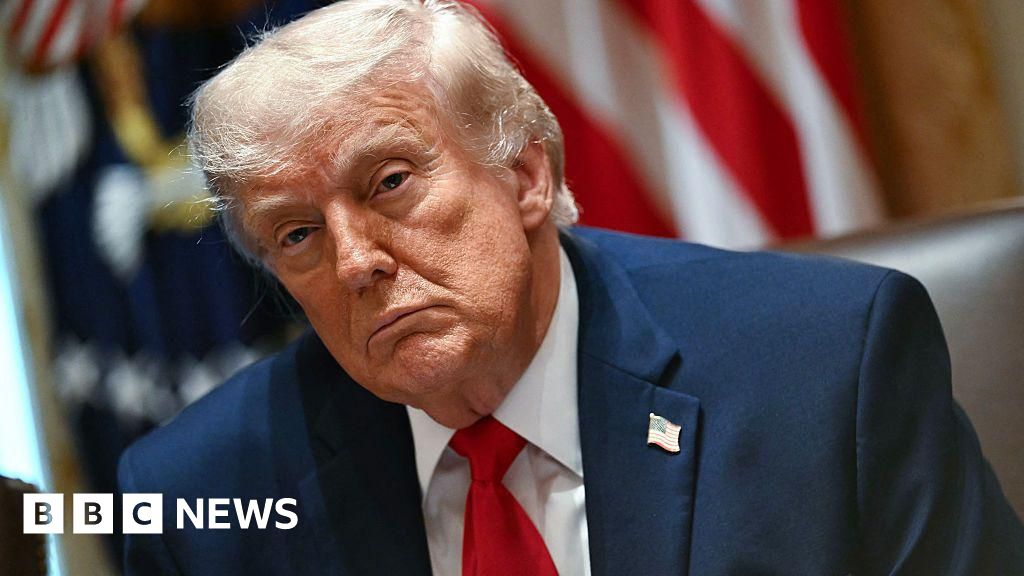
Trump Meets Advisers to Decide on Iran Ceasefire Extension
President Trump said he is holding a Situation Room meeting to make a final decision on a possible deal with Iran. The proposed agreement would extend the ceasefire by 60 days and reopen the Strait of Hormuz.
 Variety
Federal Judge Orders Trump Name Removed From Kennedy Center
A federal judge ruled Friday that the Kennedy Center board violated the law by adding President Donald Trump's name to the venue and ordered the name removed within two weeks. The same ruling blocked a planned two-year closure for renovations.
 Le Monde
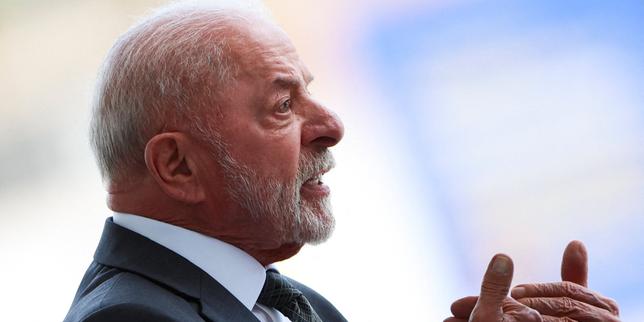
Brazil's Lula Criticizes U.S. Terror Designation of Crime Groups
Brazilian President Luiz Inacio Lula da Silva rejected the U.S. decision to label two major crime organizations as terrorist groups. He called the move a potential setback in fighting crime and warned against interference in Brazilian sovereignty.